
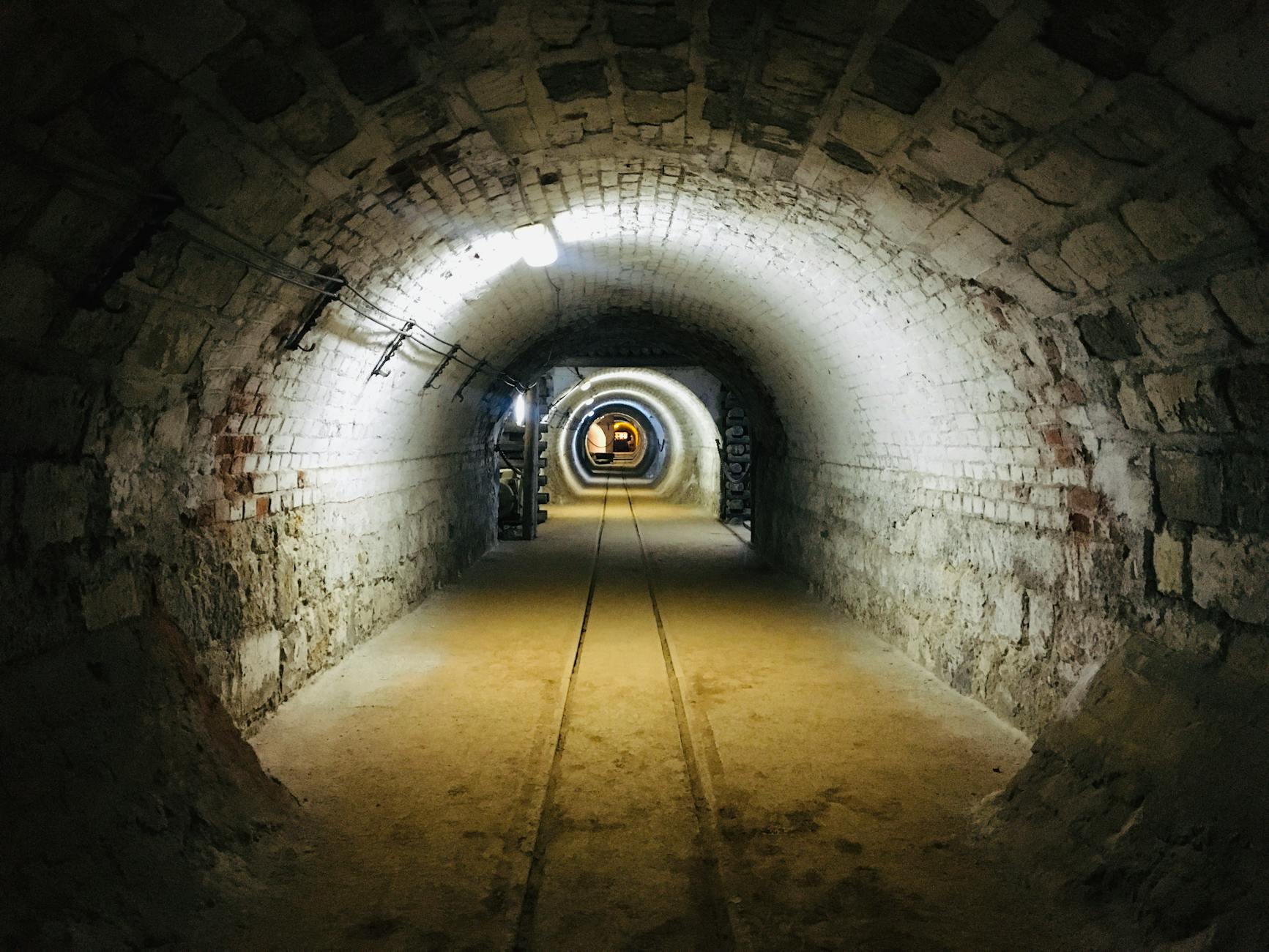
U.S. federal authorities dismantled a highly sophisticated cross-border drug tunnel in May 2026, connecting Tijuana, Mexico, to a commercial retail space in San Diego, California. This law enforcement operation resulted in the seizure of over 1,000 kilograms of cocaine with an estimated street value of $45 million USD. The discovery highlights the evolving engineering tactics used by transnational criminal organizations to bypass intensified surface-level border security. Readers will learn about the infrastructure of this California border tunnel discovery, the technological advancements in detection, and the implications for North American security protocols.
- Authorities seized 1,000kg of cocaine worth $45 million in a San Diego retail outlet.
- The tunnel featured advanced ventilation, electricity, and a rail transport system.
- Law enforcement is shifting focus toward commercial real estate vetting to combat urban smuggling.
The tunnel represents one of the most complex subterranean passages discovered in recent years. It spanned several hundred metres, reaching depths of nearly 20 metres below the surface. Investigators confirmed the tunnel terminated inside a nondescript retail warehouse, allowing smugglers to offload illicit goods directly into commercial vehicles without public scrutiny.
How was the California border tunnel discovery made?
Intelligence-led policing and advanced seismic sensors played a critical role in this investigation. Federal agents monitored suspicious logistics patterns surrounding a small retail business that showed little legitimate customer traffic. This surveillance revealed heavy machinery moving in and out of the facility during late-night hours, which triggered a formal search warrant.
Upon entering the building, agents found a heavy industrial floor disguised to look like a standard storage area. Beneath a removable concrete slab lay a reinforced shaft leading to the tunnel. The passage was approximately 1.2 metres wide and equipped with reinforced walls to prevent collapse during seismic events common in the region.
Furthermore, the tunnel utilized a sophisticated rail system. This allowed for the rapid transit of heavy pallets of narcotics across the international boundary. According to official data from U.S. Customs and Border Protection, drug seizures in commercial zones have increased as cartels move away from rural crossings. This trend suggests that urban infrastructure provides a more effective camouflage for large-scale smuggling operations.
What are the engineering features of modern smuggling routes?
The 2026 discovery showcases a level of civil engineering usually reserved for legitimate public works projects. The tunnel included a fully functional ventilation system to ensure air quality for those transporting the goods. It also featured high-voltage electrical wiring to power the lighting and the motorized rail carts.
Engineers involved in the investigation noted the precision of the tunnel’s exit point. The builders used GPS-guided boring equipment to ensure the tunnel emerged exactly within the confines of the retail store. This level of accuracy prevents accidental breaches into public utility lines or neighbouring basements, which would otherwise alert local authorities.
Historical data indicates that these “super tunnels” take months or even years to construct. They require significant financial investment and specialized labour, often involving coerced or high-paid professional engineers. The cost of construction is frequently recouped within just a few successful shipments, making it a high-reward strategy for cartels.
How is law enforcement adapting to subterranean threats?
The discovery of the San Diego tunnel has prompted a revision of border security strategies. Law enforcement agencies are now deploying ground-penetrating radar (GPR) and acoustic sensors more frequently in urban border zones. These tools can detect the distinct vibrations caused by boring machines or the hollow echoes of existing voids deep underground.
Additionally, there is a growing emphasis on “know your tenant” initiatives for commercial landlords. Federal agencies are working with real estate developers to identify red flags in leasing agreements. Suspicious indicators include cash payments for long-term leases and significant structural modifications made without proper municipal permits.
Local businesses are also being encouraged to report unusual sounds or vibrations. In several previous cases, neighbouring tenants reported the hum of heavy machinery or unexplained cracks in their own flooring. Community vigilance remains a primary line of defence against the clandestine expansion of these networks.
What are the broader implications for the narcotics trade?
The seizure of 1,000 kilograms of cocaine is a significant blow to the supply chain, but it also signals a shift in product priority. While synthetic opioids have dominated headlines, this discovery proves that traditional narcotics like cocaine still command massive market share and logistical investment. The sheer volume of the haul suggests that demand remains high across North American markets.
The use of a retail store as a front is particularly concerning for urban planners. It demonstrates that the border is no longer just a line in the sand, but a three-dimensional challenge that extends into the heart of metropolitan areas. Security experts argue that as surface walls become more difficult to scale, the battle for border integrity will increasingly move underground.
This operation serves as a reminder of the persistent ingenuity of transnational criminal organizations. While technology for detection improves, so too do the methods of concealment. Continuous investment in both physical technology and human intelligence is necessary to stay ahead of these evolving threats. Maintaining the integrity of commercial zones near the border will require ongoing cooperation between federal agents, local police, and the business community to ensure that retail infrastructure is not exploited for illicit gain.


