
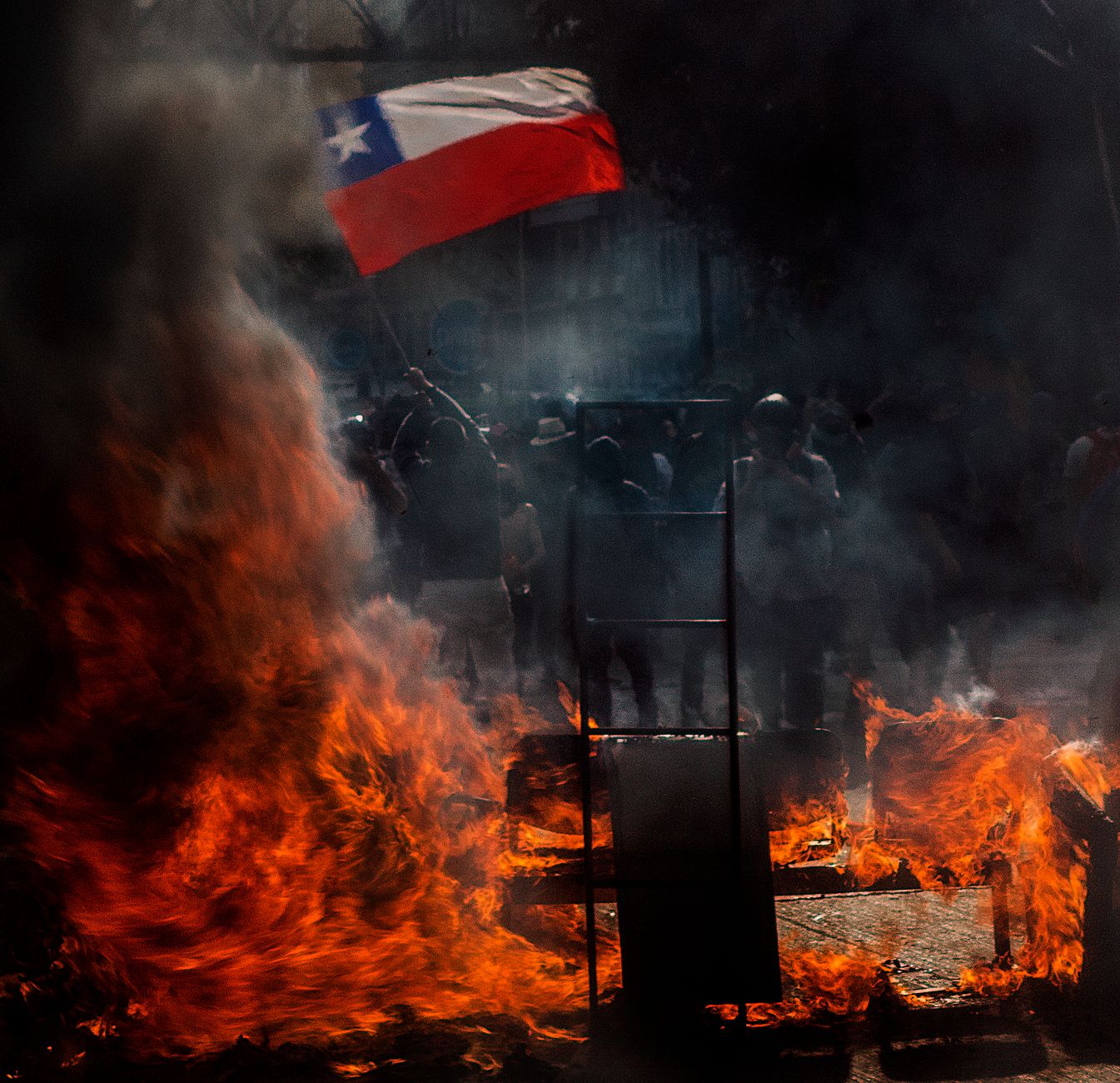
On March 14, 2026, tens of thousands of demonstrators flooded the streets of Buenos Aires and major urban centres across Argentina to protest a surge in gender-based violence in Argentina. The nationwide mobilization follows the brutal murder of a 16-year-old girl in Santa Fe, an event that has reignited public fury over stagnant femicide rates. Protesters are demanding immediate judicial reform and the full implementation of existing protection laws to prevent further loss of life. In this report, you will learn about the legislative gaps identified by activists, the current statistical landscape of violence, and the specific demands presented to the national government.
- Massive protests have erupted nationwide following a high-profile teen murder.
- Activists demand stricter enforcement of the ‘Ley Micaela’ and judicial accountability.
- Recent data indicates a concerning plateau in femicide rates despite previous legislative efforts.
Why has the murder of a teenager sparked a national crisis?
The recent tragedy in Santa Fe acted as a breaking point for a society already weary of systemic insecurity. The victim, whose identity has sparked the ‘Justice for Lucia’ social media movement, was found after being missing for only forty-eight hours. This case mirrors several high-profile incidents from the previous decade, suggesting that early warning systems remain fundamentally flawed.
Local human rights organizations argue that the state failed to provide adequate protection despite the family’s prior reports of harassment. This perceived negligence has shifted the focus from the crime itself to the institutional failures that allowed it to occur. Consequently, the “Ni Una Menos” movement has returned to the forefront of Argentine political discourse.
The scale of the 2026 protests reflects a deepening frustration with the slow pace of cultural and legal change. While Argentina was a pioneer in adopting gender-identity and protection laws, the execution of these policies remains inconsistent across different provinces. This geographical disparity often leaves women in rural areas more vulnerable than those in the capital.
How does the current data reflect the state of gender-based violence?
Statistical evidence suggests that the frequency of violent acts against women has not significantly declined over the last three years. According to recent reports, one woman is killed every 29 hours in the country, a figure that has remained tragically stable. These numbers highlight the limitations of current prevention strategies and the need for more robust intervention methods.
Experts point to a lack of funding for local shelters and legal aid as a primary barrier to safety. Many victims find it impossible to leave dangerous situations due to economic dependency and a lack of state-sponsored housing. Furthermore, the judicial system often faces criticism for its slow processing of restraining orders.
International observers have noted that Argentina’s legislative framework is comprehensive on paper but lacks the budgetary support required for effective enforcement. The UN Women gender snapshot emphasizes that systemic change requires both political will and significant financial investment in social services. Without these resources, laws like the ‘Ley Micaela’ cannot fulfill their potential to educate public officials.
What specific reforms are protesters demanding from the government?
The 2026 demonstrations have produced a clear list of demands aimed at the executive and legislative branches. Central to these is the creation of a specialized federal task force dedicated solely to missing persons cases involving women and minors. This would aim to eliminate the critical delays often seen during the first 24 hours of a disappearance.
“We are not just asking for more laws; we are asking for the laws we have to actually work for us,” stated one activist during the Buenos Aires rally.
Additionally, there is a strong push for mandatory gender perspective training for all members of the judiciary. Protesters argue that many judges still rely on outdated stereotypes when ruling on domestic abuse cases. This lack of sensitivity often results in light sentences for perpetrators or the dismissal of credible threats.
The government has responded by promising an emergency budget reallocation to bolster the National Action Plan Against Violence. However, many remain skeptical, as similar promises in the past have failed to yield long-term results. The current administration now faces the challenge of proving its commitment through measurable outcomes rather than rhetoric.
What are the broader implications for South American policy?
The events in Argentina often serve as a bellwether for social movements across Latin America. As the region watches these protests, other nations may face similar pressure to address their own rates of femicide and domestic abuse. This cross-border solidarity is a hallmark of modern feminist activism in the southern hemisphere.
The integration of technology in these protests, such as real-time tracking of judicial proceedings, represents a new era of digital accountability. Activists are increasingly using data science to map violence hotspots and hold local officials responsible for spikes in crime. This data-driven approach makes it harder for governments to ignore the underlying issues.
Moving forward, the success of this movement will depend on its ability to sustain pressure beyond the immediate aftermath of the tragedy. Ensuring that the 2026 protests lead to permanent structural change requires constant monitoring of legislative progress. For the families of victims, the goal remains a society where safety is a guaranteed right rather than a distant hope. By prioritizing education and economic independence for vulnerable populations, the country can begin to dismantle the cycles of violence that have persisted for generations.


