
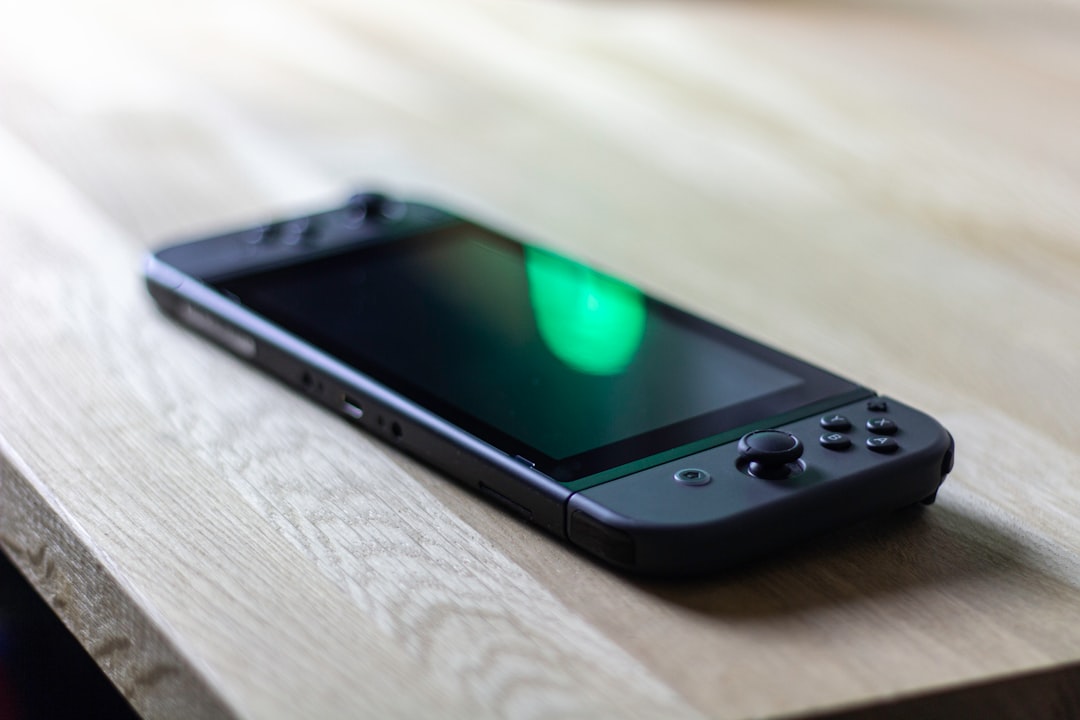
In Taipei, Taiwan, at the 2026 Computex expo, ASUS Republic of Gamers (ROG) unveiled the ROG Ally X20 bundle, a device that fuses a high-performance handheld PC with 171-inch AR glasses. This launch marks a pivotal moment in portable PC gaming trends 2026, as manufacturers pivot toward immersive hardware and local AI processing to overcome global supply constraints. This article explores the latest hardware from Intel, Nvidia, and ASUS, detailing how these innovations will change your gaming experience this holiday season. You will learn about the shift toward dedicated handheld silicon, the emergence of local AI “super chips,” and the upcoming Wi-Fi 8 standard.
Key Takeaways
- Handheld gaming PCs are evolving into wearable ecosystems using AR glasses for cinematic displays.
- Intel and Nvidia have launched dedicated silicon designed specifically for portable AI and console-grade mobile performance.
- A global memory shortage is driving up hardware costs, pushing manufacturers toward premium, durable materials like Ceraluminum.
- The upcoming Wi-Fi 8 (802.11bn) standard aims to eliminate latency for seamless multiplayer gaming.
How is the ASUS ROG Ally X20 redefining the handheld experience?
The ROG Ally X20 bundle commemorates the 20th anniversary of the ROG brand by addressing the primary limitation of handhelds: screen size. While the device features a built-in 7.4-inch OLED display, it ships with ROG XREAL R1 Edition 20 Gaming AR Glasses. These glasses project a simulated 171-inch display directly in the user’s field of vision, allowing for a theatre-like experience during travel.
Visual quality has seen a significant upgrade with the integration of HDR and Dolby Vision support. The new OLED panel reaches a peak brightness of 1400 nits, nearly triple the brightness of previous iterations. This ensures that the device remains usable even in brightly lit outdoor environments, a common pain point for mobile gamers.
Under the hood, the device utilizes the AMD Ryzen AI Z2 Extreme processor and 24GB of system memory. These specifications allow the handheld to run modern AAA titles, including the anticipated upcoming Grand Theft Auto release, with high fidelity. The inclusion of rubberized handles and Xbox-inspired controls suggests a focus on ergonomic comfort for extended sessions.
Why are Intel and Nvidia shifting focus to dedicated portable silicon?
For years, handheld PCs relied on repurposed laptop chips, but Computex 2026 confirmed a shift toward bespoke portable architecture. Intel showcased its Intel Arc G3 and G3 Extreme processors, which are designed from the ground up for handhelds. These chips power new devices like the Acer Predator Atlas 8, focusing on AI upscaling to maximize battery life without sacrificing frame rates.
“Intel’s G-Series is a direct response to the need for console-like gaming in a portable format,” noted industry analysts at the event.
Nvidia also made waves with the unveiling of RTX Spark, a “super chip” developed in collaboration with MediaTek. This system-on-a-chip (SoC) features 128GB of unified memory and 1-petaflop of AI compute power. Unlike previous generations, RTX Spark is designed to run personal AI agents locally on Windows computers, removing the need for cloud-based processing fees.
This move toward local AI processing represents a fundamental change in how PCs operate. By running heavy AI workloads in the background, these chips allow for more sophisticated in-game physics and smarter non-player characters. Partners like Dell, HP, and Lenovo are expected to debut premium laptops utilizing this architecture by autumn 2026.
How will the global memory shortage affect consumer costs?
Despite the technological optimism in Taipei, a global memory shortage remains a significant hurdle for the industry. This shortage is driving up production costs for manufacturers, which eventually trickles down to the consumer. To mitigate these costs, some brands are focusing on mid-range devices that offer high durability to extend the product lifecycle.
The ASUS Zenbook 14 is a primary example of this strategy, utilizing a proprietary material called Ceraluminum. This eco-friendly substance combines the strength of aluminium with the scratch resistance of ceramic. By creating more durable chassis, manufacturers hope to offer better long-term value to buyers who may be deterred by rising component prices.
Connectivity is also seeing a generational leap with the introduction of Wi-Fi 8. The technical framework for this next-generation connectivity is being developed under the IEEE 802.11bn standard, which prioritizes reliability over raw speed. TP-Link’s Archer 8 router platform, announced at the show, aims to solve unstable mesh roaming and network congestion in smart homes.
What are the long-term implications for the gaming industry?
The trends observed at Computex 2026 suggest that the line between desktop and portable gaming is blurring permanently. With the introduction of 1-petaflop AI chips and AR-integrated displays, the hardware is no longer the bottleneck for immersive experiences. Players can now access top-tier performance in a form factor that fits in a backpack.
However, the reliance on advanced silicon and high-capacity memory means that the entry price for “budget” gaming is rising. Consumers should look for devices that offer modularity or exceptional build quality to ensure their investment lasts through the current supply volatility. As AI agents become standard in Windows 11, the choice of processor will become as critical as the choice of graphics card.
As these devices hit the market during the 2026 holiday season, the focus will likely shift from raw benchmarks to ecosystem integration. Whether you are gaming on a 16-hour flight or a daily commute, the combination of local AI and wearable displays ensures that the high-end PC experience is no longer tethered to a desk.


