
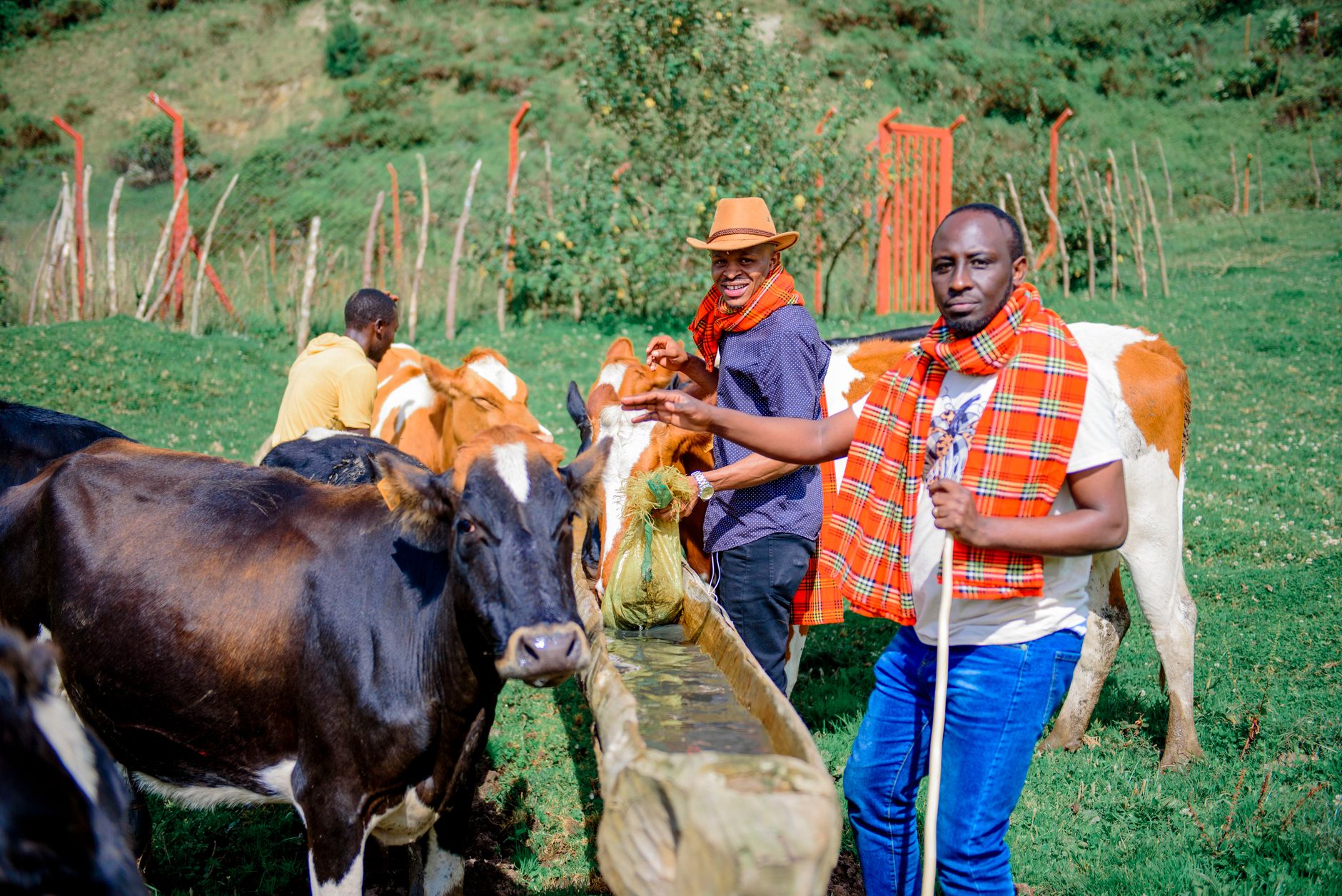
In early 2026, thousands of Kenyan university graduates are bypassing traditional corporate careers to revitalize the agricultural sector through advanced mobile applications and artificial intelligence. Faced with a stagnant formal job market, these tech-savvy entrepreneurs are deploying AI tools for farming to optimize crop yields and manage livestock across rural and peri-urban regions. This movement represents a significant shift in the East African economy, where digital literacy meets traditional land management. Readers will discover how these young professionals are leveraging data to secure their financial futures while transforming national food security.
- Graduates are using AI to mitigate risks associated with unpredictable weather and pest outbreaks.
- Mobile-first platforms are connecting small-scale farmers directly to high-value markets.
- The transition is successfully lowering youth unemployment rates in major Kenyan counties.
Why are Kenyan youth choosing soil over the office?
The Kenyan labour market has faced structural challenges for several years. Despite high literacy rates and specialized degrees, the supply of formal white-collar jobs has not kept pace with the number of graduates. Consequently, many young people are returning to family land with a new perspective. They no longer view farming as a manual labour task but as a data-driven business opportunity.
Mobile technology has become the primary bridge for this transition. With high smartphone penetration, graduates can access sophisticated analytical software from remote fields. These platforms provide real-time insights that were previously unavailable to smallholder farmers. This digital transformation is turning agriculture into a viable, high-growth career path for the next generation.
How do AI tools for farming improve agricultural outcomes?
Modern graduates use AI-powered sensors to monitor soil moisture and nutrient levels. These devices send data to mobile apps that recommend precise irrigation schedules. By reducing water waste, farmers lower their operational costs significantly. This precision allows for higher crop density and better quality produce.
Predictive analytics also play a crucial role in pest management. AI models analyze satellite imagery and local weather data to forecast potential infestations. Farmers receive early warnings on their phones, allowing them to take preventive measures. This proactive approach saves thousands of hectares of crops that would otherwise be lost to blight or insects.
Furthermore, digital marketplaces are eliminating exploitative middle agents. AI algorithms match harvest cycles with urban demand to ensure fair pricing. Graduates can now track market fluctuations in real-time, ensuring they sell their produce at peak value. This financial transparency is a major incentive for those entering the sector.
What do the experts say about the digital agrarian shift?
Economists suggest that this trend is essential for regional stability. The integration of technology makes agriculture more resilient to climate change. According to the Food and Agriculture Organization of the United Nations (FAO), digital tools are critical for enhancing productivity among smallholder farmers in developing nations. Their research indicates that data-driven farming can increase household incomes by over 30%.
“We are seeing a new class of ‘agri-preneurs’ who treat the farm like a tech startup. They use data to minimize risk and maximize output in ways their parents never could.” — Dr. Samuel Maina, Agricultural Researcher.
Data from 2025 indicates a 15% increase in agricultural output in regions with high youth participation. These graduates are not just planting seeds; they are building scalable businesses. Their success is encouraging the government to invest more in rural broadband and digital infrastructure. This support further accelerates the adoption of smart farming technologies across the country.
What are the long-term implications for the Kenyan economy?
The rise of the young farmer is diversifying Kenya’s export portfolio. High-quality, tech-monitored produce is increasingly meeting international standards for European and Asian markets. This shift brings more foreign currency into the country. It also reduces the national reliance on food imports, strengthening the domestic economy.
Moreover, this trend is reversing the brain drain from rural areas to cities. As farming becomes profitable, graduates are staying in their home communities. This leads to better local infrastructure and improved services in rural centres. The economic benefits are trickling down to local businesses and schools.
Educational institutions are now adapting their curricula to meet this demand. Universities are introducing courses that combine agronomy with computer science. This interdisciplinary approach ensures that future graduates are prepared for the high-tech reality of modern farming. The synergy between education and industry is creating a sustainable ecosystem for growth.
How can aspiring farmers start their digital journey?
Success in this field requires a blend of traditional knowledge and technical skill. New farmers should begin by identifying specific problems in their local environment. Whether it is soil acidity or water scarcity, there is likely an AI solution available. Networking with established tech-farmers can provide valuable mentorship and practical advice.
Investors are also taking notice of this sector. Venture capital for African AgTech startups reached record highs in late 2025. This influx of capital provides more tools and resources for young entrepreneurs. Accessing these grants and loans can help graduates scale their operations quickly.
By embracing these digital advancements, Kenyan youth are redefining the future of work. They are proving that agriculture is a sophisticated industry capable of supporting professional careers. As more graduates enter the field, the narrative of the struggling farmer is being replaced by one of innovation and prosperity. This evolution ensures that the agricultural sector remains the backbone of the nation’s progress.


