
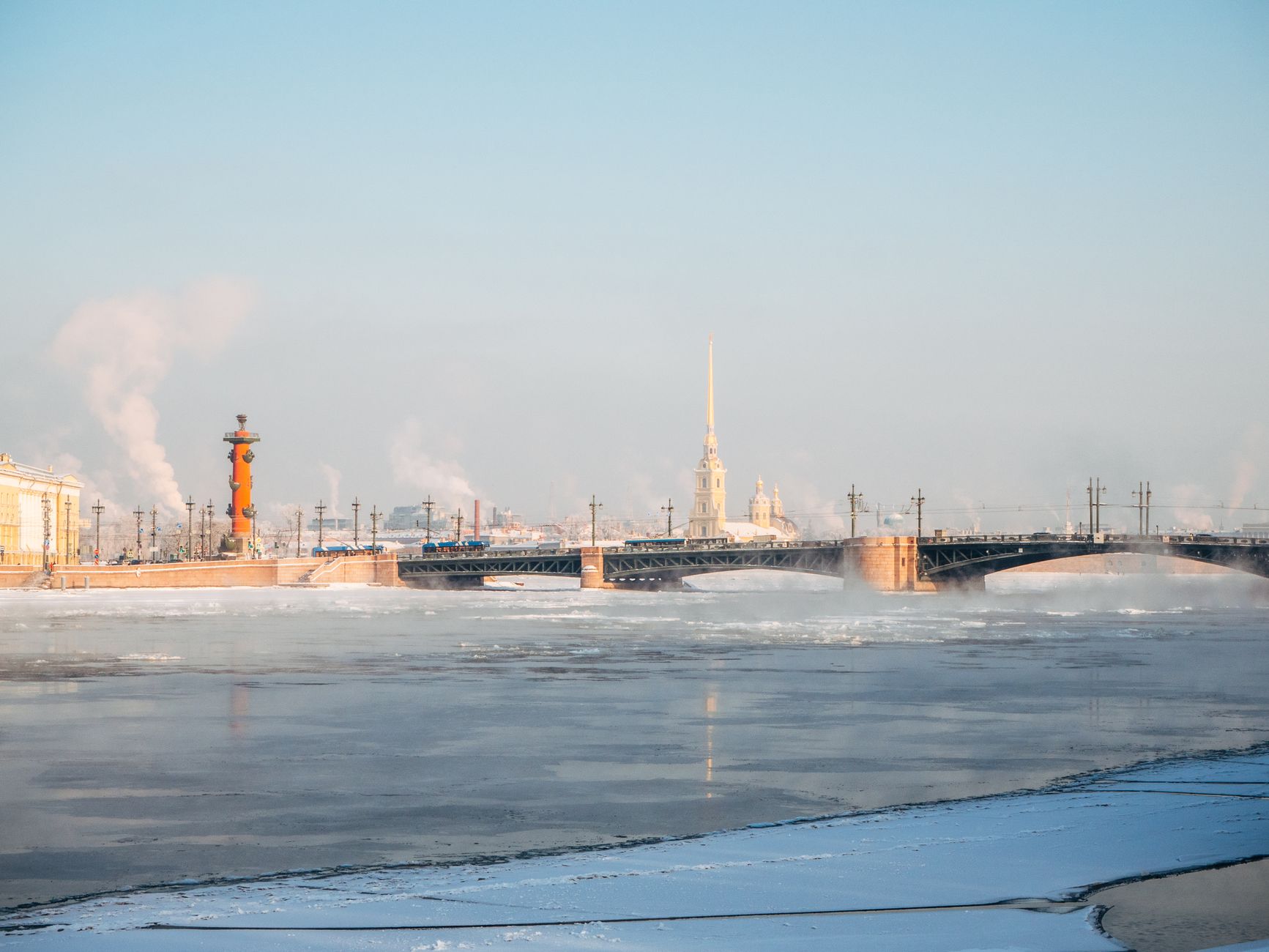
As the St. Petersburg International Economic Forum (SPIEF) concluded on June 6, 2026, Ukrainian long-range drones targeted Russia’s second-largest city following President Vladimir Putin’s dismissal of a fresh peace framework. This high-profile escalation marks a significant shift in Kyiv’s strategy to bring the costs of the conflict directly to Russia’s elite economic hubs. In this article, you will learn about the tactical implications of the 2026 Ukraine drone strikes St. Petersburg and how this development reshapes the diplomatic landscape.
“Air defence systems were activated over multiple districts, and emergency protocols were implemented as authorities assessed damage following the drone incursions,” Russian officials said, describing the incident as one of the most serious aerial disruptions affecting the city in recent months.
- Ukrainian drones reportedly struck targets in and around St. Petersburg shortly after the SPIEF forum ended.
- The attack followed Russia’s rejection of a proposed peace framework, escalating tensions in the ongoing conflict.
- The incident highlights Ukraine’s expanding long-range strike capabilities and evolving battlefield strategy.
Why St. Petersburg was targeted
St. Petersburg is not only Russia’s second-largest city but also a symbolic and economic centre closely tied to the country’s political elite. The timing of the strikes—immediately following the St. Petersburg International Economic Forum—suggests a deliberate effort to project pressure beyond the front lines and into Russia’s economic and political heartland.
Analysts note that targeting high-profile cities during or after major state events is intended to disrupt perceptions of stability and security within Russia. By shifting the conflict closer to urban centres, Ukraine appears to be signalling its ability to extend operational reach well beyond traditional battlefield zones.
Escalation after peace talks collapse
The drone strikes came shortly after President Vladimir Putin dismissed a newly proposed peace framework, which had reportedly included discussions around territorial control, security guarantees, and long-term ceasefire mechanisms. The rejection is seen as a key factor behind the latest escalation in cross-border attacks.
Diplomatic observers warn that the breakdown of negotiations has further reduced the likelihood of near-term de-escalation. Instead, both sides appear to be intensifying military operations while attempting to gain leverage for any future talks.
The latest events underscore how fragile diplomatic efforts remain, with each failed proposal increasing the risk of broader and more unpredictable confrontation.
Ukraine’s evolving drone warfare strategy
Ukraine has increasingly relied on long-range unmanned aerial systems to strike strategic infrastructure deep inside Russian territory. These systems allow Kyiv to target logistics hubs, military installations, and economic assets without deploying manned aircraft into heavily defended airspace.
The expansion of drone operations reflects both technological adaptation and strategic necessity, as Ukraine seeks asymmetric ways to counter a larger adversary. Recent operations suggest improved coordination, longer operational range, and more precise targeting capabilities than earlier phases of the conflict.
Impact on Russian air defence posture
The reported incursions into St. Petersburg place renewed pressure on Russia’s air defence network, which must now protect an increasingly wide geographic area. Defending multiple high-value regions simultaneously stretches radar coverage, interceptor stockpiles, and response coordination.
Even when drones are intercepted, the psychological and economic impact of repeated incursions can be significant, prompting heightened security measures and disruptions to civilian infrastructure. Airports, industrial facilities, and transport networks may all be affected during such incidents.
Broader geopolitical implications
The escalation carries implications far beyond the immediate battlefield. Western governments continue to monitor the situation closely, particularly as discussions around military aid, sanctions, and diplomatic engagement evolve in response to changing conditions on the ground.
At the same time, Russia is likely to respond with increased military pressure on Ukrainian infrastructure, continuing a cycle of escalation that has defined much of the conflict since its inception.
International mediators have repeatedly warned that sustained strikes on urban centres risk further reducing the space for negotiation, complicating efforts to establish even temporary ceasefires.
What comes next
With tensions rising and diplomatic channels strained, both sides appear to be preparing for a prolonged phase of intensified operations. Ukraine’s expanding drone capabilities suggest continued pressure on strategic Russian locations, while Moscow is expected to reinforce air defences and retaliatory strike capacity.
The situation remains highly fluid, with future developments likely to depend on battlefield dynamics, international diplomatic pressure, and the willingness of both parties to re-engage in negotiations.
For now, the drone strikes on St. Petersburg mark a significant moment in the conflict—one that underscores how quickly the war continues to evolve in scope, scale, and strategic intent.


