
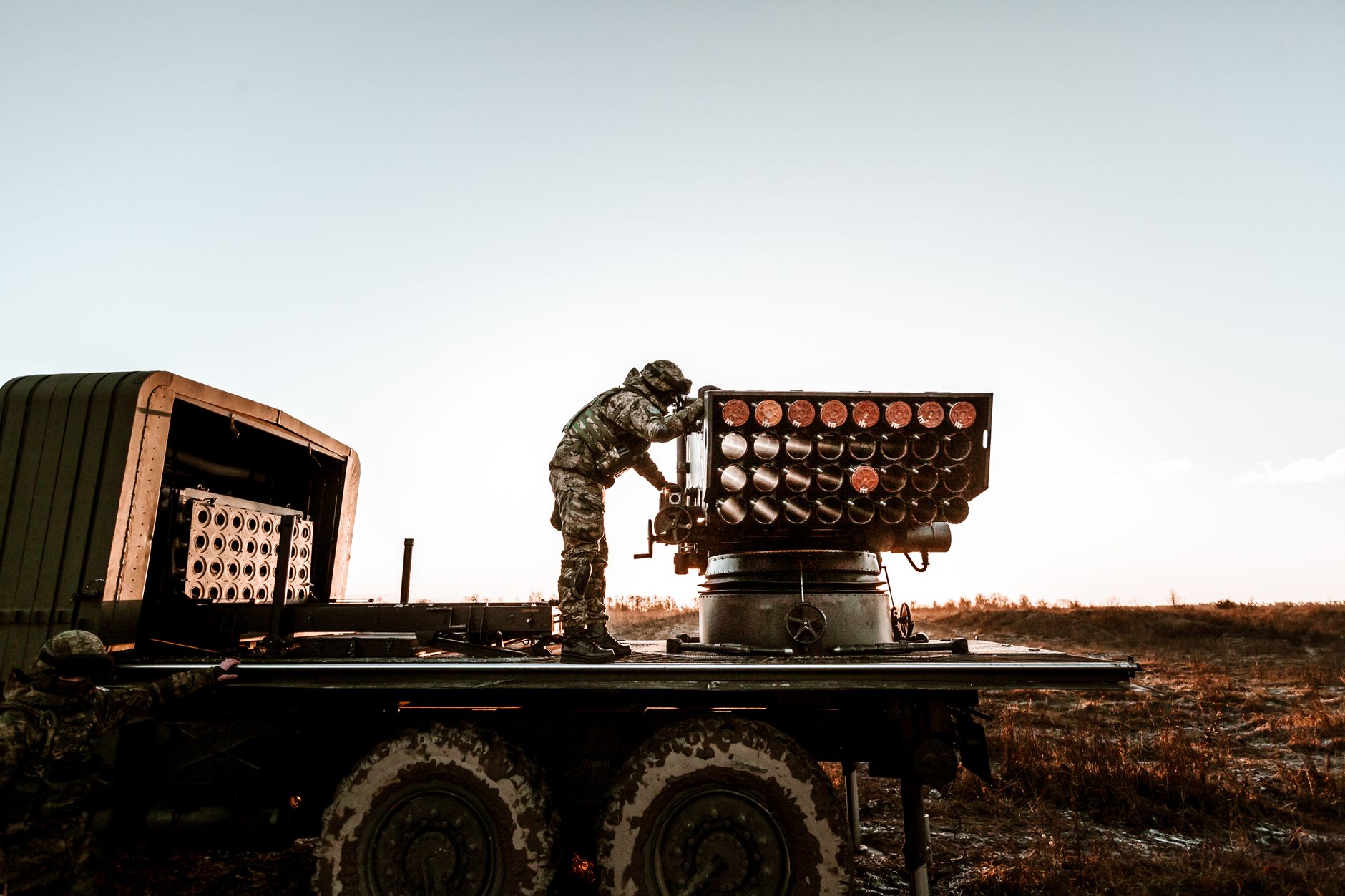
On October 14, 2026, Iran launched a series of coordinated missile barrages toward major Israeli population centres, directly jeopardizing a tenuous ceasefire. This escalation occurs on the 100th day of an intense regional conflict that has drawn in global superpowers and disrupted international trade routes. Readers will learn about the strategic motivations behind this Iran missile strike, the immediate military repercussions, and the potential for a wider systemic collapse of Middle Eastern diplomacy.
- Multiple missile volleys from Iranian territory have targeted Israeli infrastructure, breaking a weeks-long lull in direct kinetic action.
- The 100-day conflict has reached a critical inflection point as international mediators struggle to preserve the existing ceasefire agreement.
- Global energy markets are reacting sharply, with Brent crude prices spiking in anticipation of prolonged maritime instability.
The sudden barrage follows months of shadow warfare and proxy engagements that have defined the geopolitical landscape of 2026. This latest move by Tehran signals a departure from indirect confrontation, moving toward a high-stakes display of ballistic capability. Military analysts suggest the timing is intended to test the resolve of the current international coalition overseeing regional peace efforts.
How does the missile barrage impact regional stability?
The strikes targeted several locations, including military outposts and logistics hubs near the central district. Israel’s multi-layered defence systems engaged dozens of incoming projectiles, preventing a high casualty count but failing to stop all impacts. This breach of the ceasefire represents the most significant direct state-on-state violence since the early weeks of the current crisis.
Regional neighbours are now on high alert as the threat of a broader escalatory ladder becomes a reality. Diplomatic channels that were previously showing signs of progress have effectively frozen following the news of the launches. The United Nations has called for an emergency session to address the violation of the cessation of hostilities.
According to reports from the United Nations Middle East Peace Process, the risk of a miscalculation leading to a multi-front war has reached its highest level in a decade. Observers note that the fragile peace relied on a set of unspoken red lines that have now been decisively crossed. The loss of trust between the belligerents makes a return to the negotiating table increasingly difficult in the short term.
What are the immediate military and strategic responses?
The Israeli Defence Forces (IDF) have already initiated retaliatory strikes against launch sites identified within Iranian borders. These counter-operations aim to degrade the technical capacity for further volleys while maintaining a posture of deterrence. However, the cycle of retaliation often leads to an uncontrollable expansion of the combat zone.
Strategic experts point out that Iran’s use of advanced hypersonic technology in this volley indicates a significant upgrade in their arsenal. This technological shift poses new challenges for regional missile defence umbrellas. It also forces allied nations to reconsider their defensive deployments across the Mediterranean and the Persian Gulf.
“The shift from proxy-led skirmishes to direct ballistic engagement marks a fundamental change in the conflict’s geometry,” says a senior regional security analyst. “We are no longer looking at a localized flare-up but a systemic breakdown of regional deterrence structures.”
How will global markets react to the escalation?
Financial markets have responded with immediate volatility following the reports of the missile strikes. Investors are moving toward safe-haven assets like gold and government bonds as uncertainty grips the trading floor. The prospect of a prolonged closure of the Strait of Hormuz remains the primary concern for global energy analysts.
Logistics companies are already rerouting vessels away from the Red Sea, adding significant costs and delays to the global supply chain. If the conflict persists, consumers in North America may see a rise in the price of imported goods and fuel. Central banks are closely monitoring the situation to determine the impact on inflation targets for the final quarter of 2026.
What does this mean for the future of Middle Eastern diplomacy?
The collapse of the 100-day ceasefire suggests that the underlying grievances of the conflict remain unresolved. International mediators, led by a coalition of European and Arab states, are facing a crisis of legitimacy. Their ability to enforce the terms of previous agreements is now under intense scrutiny by the global community.
For the residents of the region, the return to active hostilities means a renewal of humanitarian concerns and displacement. Aid organizations are struggling to maintain access to vulnerable populations as the security environment deteriorates. The focus has shifted from reconstruction and recovery back to emergency response and civilian protection.
The coming days will determine whether this incident is a singular escalation or the start of a new, more violent phase of the war. Diplomatic efforts must now focus on creating a new framework for de-escalation that accounts for the increased technical capabilities of all involved parties. Maintaining open lines of communication remains the only viable path to preventing a total regional collapse.
As the situation evolves, the international community must weigh the costs of intervention against the risks of inaction. The 100-day mark serves as a grim reminder of the persistence of modern conflict and the difficulty of securing a lasting peace. Monitoring the movements of regional powers and the statements of global leaders will provide the necessary context for understanding the next steps in this rapidly changing environment.


