
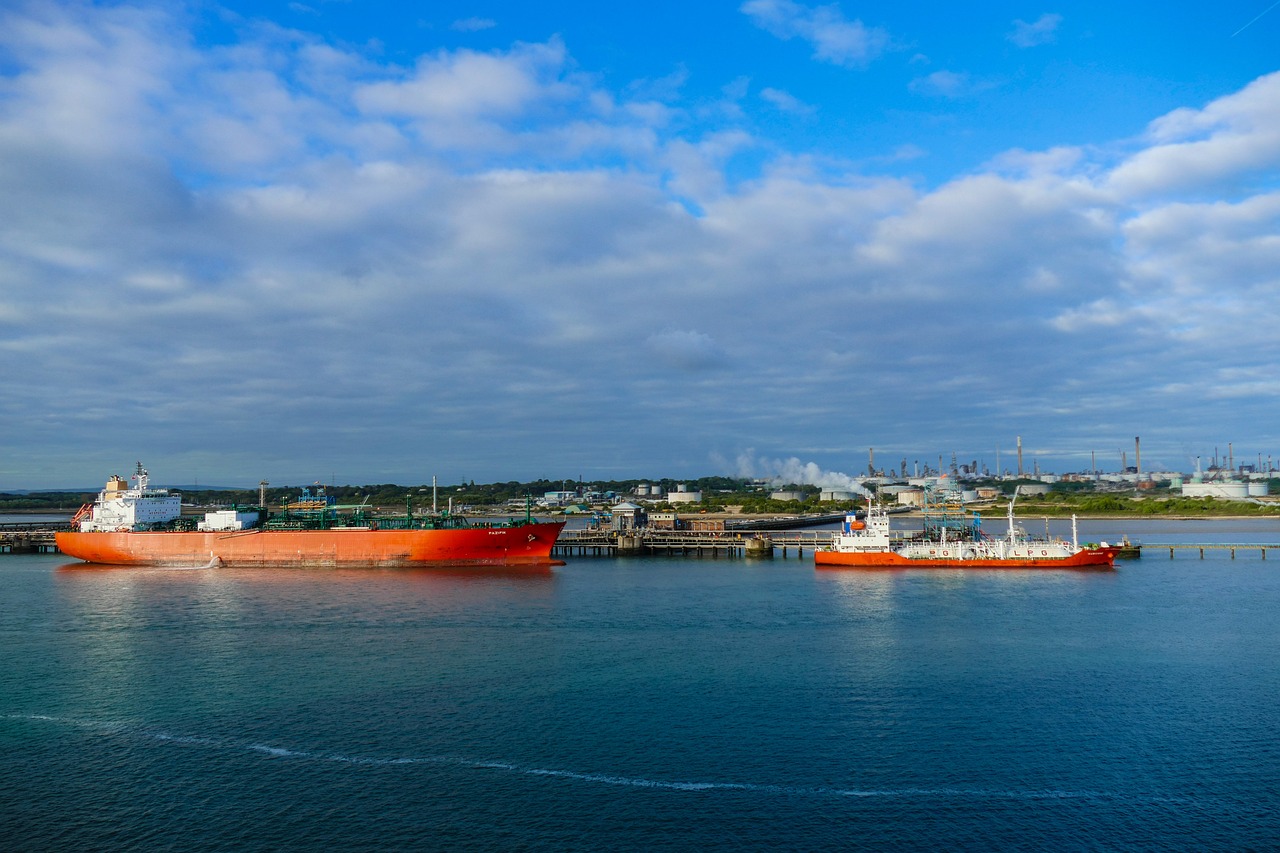
As of mid-2026, global energy markets are grappling with a persistent “new normal” as Brent crude prices stabilize near the $100 USD mark. This pricing floor remains firm despite the international community avoiding a full-scale kinetic war in the Middle East following recent friction involving Iran. You will learn how the “security premium,” stagnant production growth, and resilient demand maintain these elevated costs even as the worst-case supply scenarios fail to materialize. Understanding the current oil prices landscape is essential for navigating the broader economic trends of 2026.
- Geopolitical risk premiums now add an estimated $15 to $20 to every barrel of oil.
- Strategic reserves in Western nations have reached decade-low levels, reducing market buffers.
- Persistent inflation continues to drive up the operational costs of extraction and refining.
How does the 2026 geopolitical climate sustain $100 oil?
The primary driver behind today’s price point is the lingering tension surrounding the Strait of Hormuz. While Iran has not fully closed this vital waterway, the constant threat of disruption keeps insurers and traders on high alert. This uncertainty creates a permanent risk premium that did not exist in the early 2020s.
Furthermore, the shift in regional alliances has altered how supply shocks are managed. Traditional balancing powers are now less inclined to flood the market with excess capacity. Consequently, any minor technical glitch in global production facilities triggers an outsized reaction in futures markets.
Market analysts note that the psychological barrier of $100 has shifted from a ceiling to a floor. Investors now view this level as a baseline for a world defined by fragmented trade blocs. This shift reflects a broader trend of deglobalization affecting all major commodities.
Why has the global economy avoided a total energy collapse?
Context is vital for understanding why $100 oil hasn’t triggered a 1970s-style recession. In 2026, the global economy is significantly more energy-efficient than it was during previous shocks. Increased electrification in the transport sector acts as a pressure valve, preventing demand from spiralling out of control.
Moreover, domestic production in North America has reached record highs, providing a critical counterbalance to Middle Eastern volatility. Canadian oil sands and American shale remain the primary sources of non-OPEC growth. These sources provide a necessary buffer that prevents prices from reaching the feared $150 threshold.
“The resilience of the current market is not due to a lack of risk, but rather the diversification of supply chains that occurred between 2022 and 2025,” says a senior analyst at the Global Energy Institute.
What role do strategic reserves play in 2026?
One critical factor often overlooked is the state of national stockpiles. Many OECD nations tapped into their strategic petroleum reserves (SPR) heavily during the previous years of instability. By 2026, these reserves have not been fully replenished to pre-pandemic levels.
This lack of a safety net means that any genuine supply disruption would have immediate, catastrophic effects. Traders are pricing in this lack of a buffer, which contributes to the sustained high prices. The International Energy Agency has consistently warned that low inventory levels increase market sensitivity to geopolitical events.
In response, several nations are now prioritizing the development of alternative storage solutions. These include expanded battery storage and hydrogen reserves to mitigate the impact of crude volatility. However, these technologies are not yet at a scale to replace the immediate need for liquid fuels.
How is the Iran conflict impacting Canadian consumers?
For Canadians, the impact of $100 oil is a double-edged sword. On one hand, the energy-heavy TSX often sees gains as oil companies report record profits. This provides a boost to pension funds and provincial royalties in Alberta and Newfoundland.
On the other hand, the cost of living remains stubbornly high. Transportation costs for food and consumer goods are directly tied to diesel and jet fuel prices. This creates a persistent inflationary pressure that the Bank of Canada must manage with higher interest rates.
Households in rural areas are particularly vulnerable to these price swings. Transitioning to electric vehicles has helped many, but the infrastructure in remote regions still lags. Therefore, the price of a barrel remains a daily concern for millions of Canadians.
What are the long-term implications for the energy transition?
High oil prices are accelerating the shift toward renewable energy sources. When crude stays near $100, the return on investment for solar, wind, and nuclear projects becomes much more attractive. Capital is flowing out of long-cycle oil projects and into green infrastructure at an unprecedented rate.
However, this transition period is inherently volatile. As investment in new oil exploration slows, the existing supply becomes even more precious. This creates a feedback loop where high prices are sustained by the very transition intended to lower them.
Industry experts predict that this period of “expensive stability” will define the rest of the decade. Companies are focusing on efficiency and carbon capture rather than massive production increases. This strategy ensures profitability even if demand begins to plateau in the coming years.
The current energy landscape requires a sophisticated approach to risk management. Businesses must account for sustained high energy costs when planning long-term logistics and infrastructure. While the threat of a global energy war has receded, the era of cheap, easy-to-access oil has firmly concluded. Navigating this environment requires focusing on efficiency and diversifying energy sources to protect against future geopolitical shocks.


