
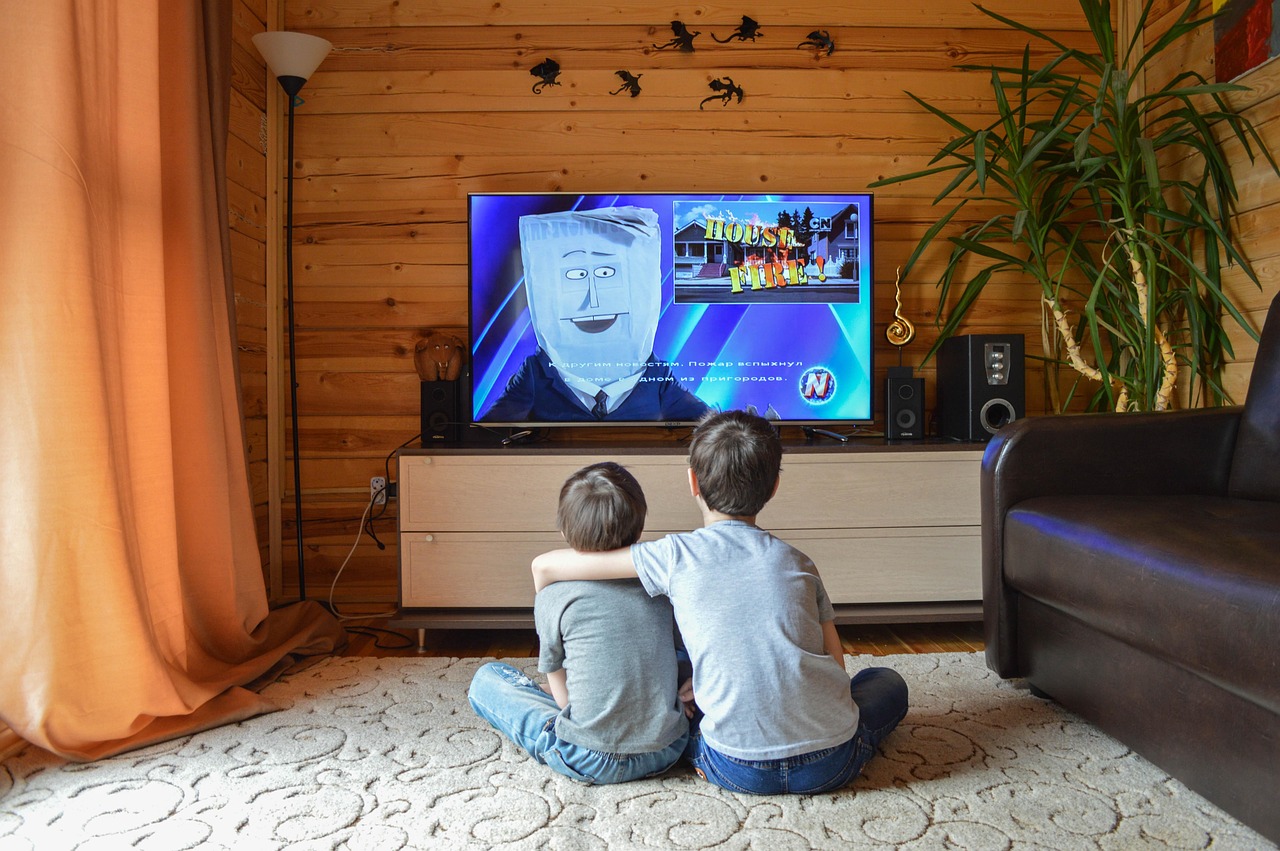
As Canada co-hosts the 2026 FIFA World Cup, soccer fans across the country are transforming their living rooms into stadium-like environments by investing in massive, high-tech displays. With TV sales rising over 13% year-over-year, the trend toward 2026 home theatre upgrades is driven by a desire for immersive “watch parties” that rival the live match experience. This shift toward larger screens, particularly those 70 inches and above, marks a significant change in Canadian consumer electronics consumption as the world’s biggest sporting event arrives on home soil. In this guide, you will learn about the latest RGB MiniLED technology, why refresh rates matter for sports, and how to choose the right display for your budget.
- Demand for 70-inch+ screens has surged by 33% as fans seek affordable alternatives to in-person match tickets.
- RGB MiniLED technology is emerging as the new gold standard, offering up to 8,000 nits of peak brightness.
- A native 120Hz refresh rate is essential to eliminate motion blur during fast-paced soccer action.
Hosting the FIFA World Cup in Canada for the first time has created a unique retail phenomenon. While attending matches in person remains a luxury, hosting friends for a high-definition broadcast has become the preferred way to celebrate. Data from Best Buy Canada indicates that the appetite for massive screens is at an all-time high, with 100-inch models leading the premium market.
Why are Canadians choosing 100-inch screens for the World Cup?
The primary driver for the current sales spike is the desire for a stadium-like experience without the stadium price tag. Thomas Funk, Category General Manager at Best Buy Canada, notes that fans want to feel the scale of the game. Consequently, sales for screens 70 inches and larger have jumped 33% compared to the previous year.
Furthermore, the 2026 World Cup serves as a perfect excuse for those who last upgraded during the pandemic. Many households are now entering a new replacement cycle. These consumers are looking for significant technological leaps rather than incremental changes. Brands like Hisense, an official FIFA sponsor, have capitalized on this by dominating the 100-inch-plus segment.
“Fans clearly want a stadium-like experience at home, and hosting the World Cup in Canada for the first time is fuelling that excitement,” says Thomas Funk.
How does RGB MiniLED technology improve sports viewing?
The most significant advancement in 2026 is the mainstream adoption of RGB MiniLED technology. Unlike traditional LED TVs that use a filtered white backlight, RGB systems generate red, green, and blue light directly. This results in purer colours and significantly higher contrast ratios that make the green pitch look incredibly lifelike.
Puneet Jain, Senior Director of Marketing at Hisense Canada, explains that this technology redefines performance. These units can achieve up to 100% coverage of the BT.2020 broadcasting standards, which was previously difficult for consumer displays. With peak brightness reaching 8,000 nits, the image remains vivid even in bright, sunlit living rooms during afternoon matches.
Additionally, RGB MiniLED handles High Dynamic Range (HDR) content more effectively than older technologies. This ensures that details in the shadows of the stadium stands and the highlights on the players’ jerseys are both clearly visible. For viewers, this means a more depth-filled and realistic visual experience.
What is the importance of a native 120Hz refresh rate?
When watching fast-moving sports like soccer, the refresh rate becomes the most critical technical specification. A native 120Hz panel updates the screen image 120 times every second. This speed is double that of standard televisions, effectively eliminating the “ghosting” effect seen during long passes or fast sprints.
Tech journalist Caleb Denison warns consumers to look specifically for the word “native.” Some manufacturers use marketing terms like “motion rate” to inflate their numbers. These software-based tricks can lead to the “soap opera effect,” making the game look artificial and distracting. A native 120Hz panel ensures that the motion remains fluid and natural.
For those with a higher budget, OLED remains a strong contender due to near-instant pixel response times. While LCD-based TVs are improving, OLED pixels turn on and off almost instantly. However, for the massive 100-inch sizes currently in high demand, MiniLED offers a more cost-effective balance of size and performance.
Does HDR quality actually matter for soccer broadcasts?
High Dynamic Range, or HDR, is often misunderstood as just another buzzword. In reality, it provides the metadata necessary to show a wider range of brightness and colour. For a World Cup broadcast, this means seeing the texture of the grass and the sweat on a player’s face with stunning clarity.
However, not all HDR is created equal. Experts suggest avoiding budget TVs under $700 if HDR is a priority. These lower-end models often lack the backlight power to make the HDR signal meaningful. Look for sets that support Dolby Vision or HDR10+ to ensure you are getting the best possible metadata processing for the 2026 tournament.
Beyond the picture, audio remains a vital component of the watch party atmosphere. Most ultra-thin TVs lack the physical space for powerful speakers. Pairing a new 100-inch screen with a dedicated soundbar and subwoofer can recreate the roar of the crowd. Many Canadian retailers are currently offering these as bundles to attract World Cup shoppers.
Choosing between a bigger screen and a higher-quality panel is the final hurdle for most fans. While a 115-inch screen offers incredible scale, a slightly smaller 85-inch premium model might provide better colour accuracy. Visiting a local showroom to compare viewing angles is highly recommended before making the final investment for your summer of soccer.


