
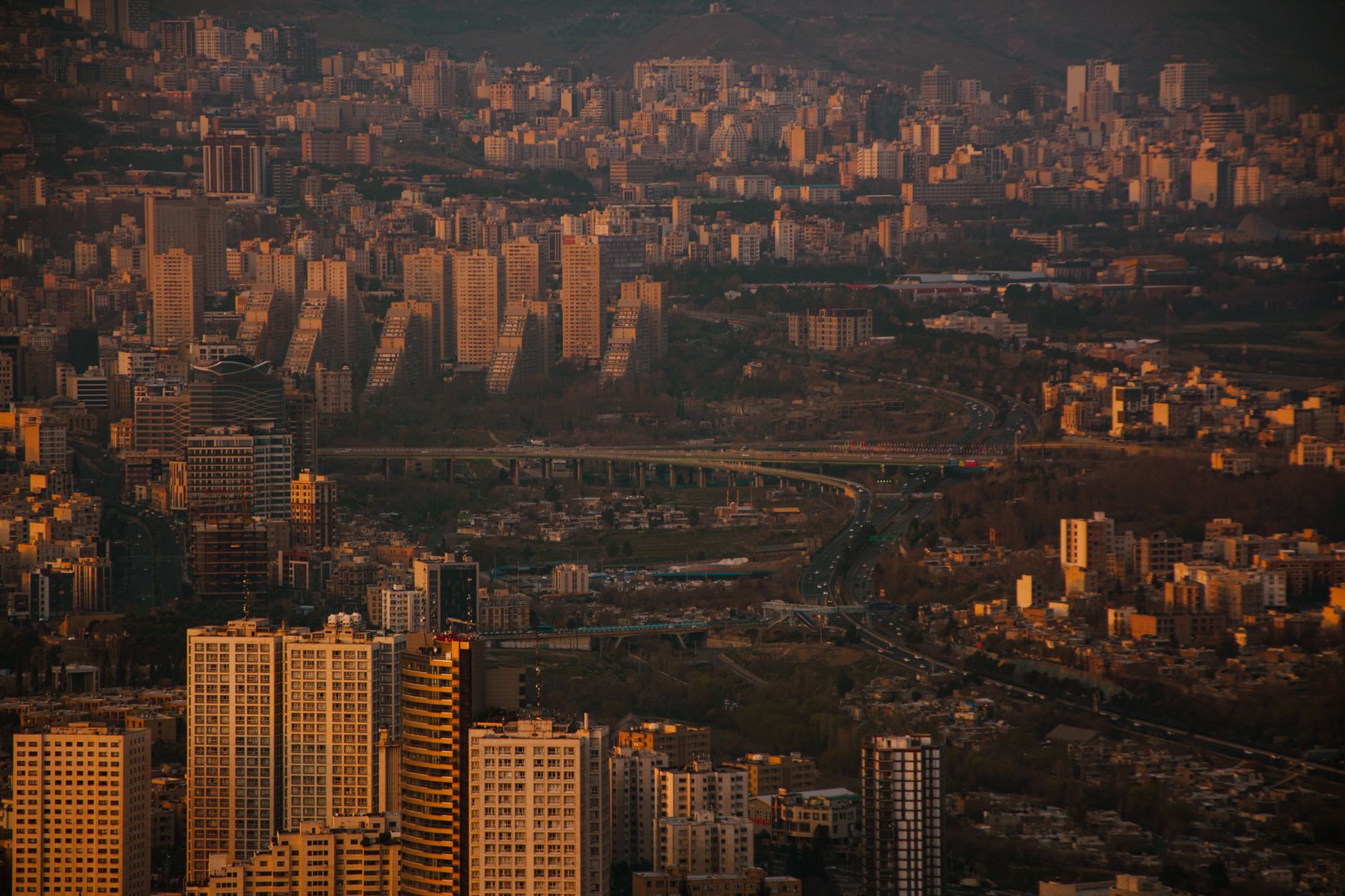
Tehran’s political landscape is currently fractured as the Iranian government navigates a landmark Memorandum of Understanding (MOU) with the United States this January 2026. This potential peace deal, aimed at ending decades of economic isolation and regional tension, has triggered intense debate between reformist and hardline camps within the Islamic Republic. Readers will learn how these internal divisions impact the deal’s viability and what the Iran-US peace deal 2026 means for global energy markets and regional security. This diplomatic breakthrough follows months of back-channel negotiations in Muscat and Doha, marking the most significant shift in Middle Eastern geopolitics in a generation.
- Reformist factions view the MOU as a vital lifeline for an economy burdened by years of systemic sanctions.
- Hardline Principlists remain skeptical, demanding rigorous security guarantees and the total removal of Western influence.
- The Supreme Leader’s final endorsement remains the ultimate hurdle for the implementation of the peace framework.
How does the current context influence the 2026 peace framework?
The 2026 MOU arrives at a critical juncture for Iran. Following years of domestic economic pressure and shifting regional alliances, the necessity for a stable trade environment has become undeniable. Previous attempts at reconciliation, such as the 2015 nuclear agreement, left a legacy of mistrust that still permeates current discussions.
To understand the current friction, one must look at the economic data. Inflation rates in Iran have remained volatile, and the energy sector requires massive capital infusion to modernize aging infrastructure. Consequently, the government is under immense pressure to deliver tangible results to a young, tech-savvy population that demands integration into the global economy.
Furthermore, the geopolitical landscape of 2026 differs from previous decades. The rise of multi-polar diplomacy and new security pacts in the Gulf has forced Tehran to reconsider its isolationist policies. This context provides the backdrop for the current struggle between those who favor engagement and those who fear it.
Why are Reformists and Moderates championing the MOU?
The Reformist camp, supported by pragmatic technocrats, argues that the MOU is the only path toward national stability. They emphasize that the deal would unlock billions in frozen assets and allow Iran to regain its position as a primary global energy supplier. By re-engaging with the West, they hope to attract foreign direct investment and reduce the brain drain currently affecting the nation.
These factions focus on the “Economic Security” doctrine. They believe that a prosperous Iran is a secure Iran. For these leaders, the MOU is not a surrender of sovereignty but a strategic pivot to ensure the long-term survival of the state. They point to the successful integration of other regional powers into global trade networks as a model to emulate.
Additionally, Moderates highlight the potential for technological exchange. Iran’s tech sector is eager for access to international patents and cloud infrastructure. This digital modernization is seen as essential for administrative reform and transparency, which are key pillars of the Reformist platform.
What are the primary concerns of the Hardline Principlists?
On the opposite side, the Principlist factions view the MOU with deep-seated suspicion. They argue that the United States cannot be trusted to uphold its end of any long-term agreement. Their rhetoric focuses on the preservation of revolutionary values and the prevention of “cultural infiltration” from the West.
Security remains their primary focus. Hardliners demand that any deal must include the permanent removal of all primary and secondary sanctions before Iran makes any concessions. They also insist on maintaining the country’s defensive capabilities and regional influence, which they see as non-negotiable assets.
“A deal that compromises our strategic depth or leaves our economy vulnerable to future Western whims is no deal at all; it is a trap.”
This faction also expresses concern over the verification mechanisms. They often cite the International Atomic Energy Agency protocols as a point of contention, arguing for sovereignty over their sensitive sites. For them, the MOU represents a potential erosion of the autonomy they have fought decades to maintain.
What data points support the need for a diplomatic resolution?
Recent economic reports indicate that Iran’s oil exports could double within 18 months of the MOU’s implementation. This surge would potentially lower global energy prices while providing Tehran with the revenue needed for domestic subsidies. Analysts suggest that the reintegration of Iran into the SWIFT banking system would reduce transaction costs for local businesses by nearly 30%.
Data from regional trade blocs suggests that a stabilized Iran would act as a bridge between Central Asia and the Persian Gulf. This “Transit Hub” potential is estimated to be worth billions in annual revenue. However, these gains are contingent on the political will within Tehran to adhere to the stringent transparency requirements outlined in the 2026 framework.
Expert perspectives also highlight the environmental benefits. A peace deal would allow for international cooperation on water management and climate change mitigation in the Middle East. These are pressing issues that transcend political ideologies and require immediate regional collective action.
What are the long-term implications for the industry and the region?
The success or failure of this MOU will redefine the Middle East for the next decade. If the deal holds, it could lead to a broader regional security architecture, reducing the need for heavy military spending. This shift would allow for greater investment in human capital and sustainable technology across the region.
For the global energy industry, the 2026 agreement promises a more predictable supply chain. Investors are already monitoring the political shifts in Tehran to gauge the risk of future disruptions. A ratified deal would likely lead to a surge in infrastructure projects, particularly in the natural gas and renewable energy sectors.
Ultimately, the internal struggle in Iran reflects a nation at a crossroads. The balance between revolutionary idealism and economic pragmatism will determine whether the MOU becomes a lasting peace or another failed experiment in diplomacy. As the debate continues, the world watches closely, knowing that the outcome will resonate far beyond the borders of Iran. The coming months will test the resilience of Tehran’s institutions and their ability to forge a unified path forward in a rapidly changing global order.


