
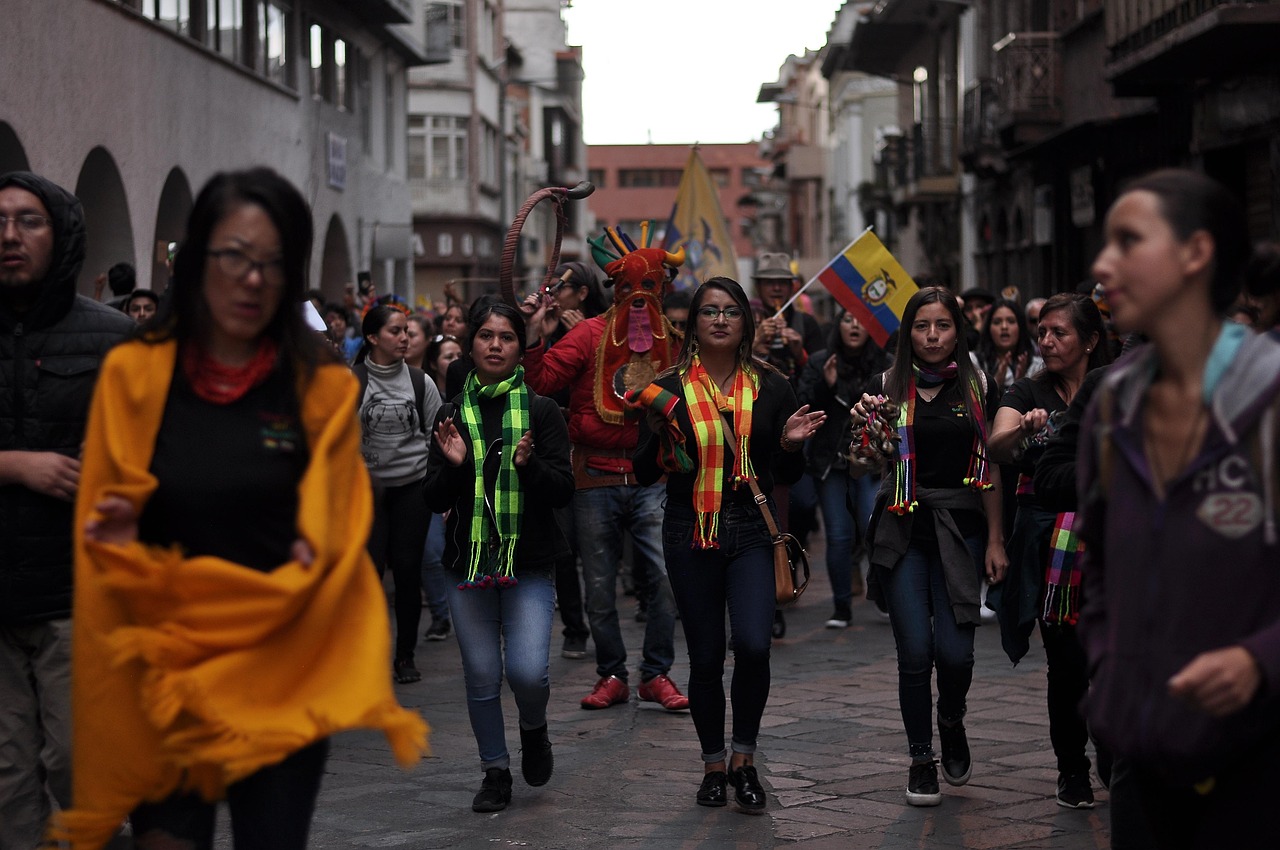
Tens of thousands of demonstrators converged on Tirana and the Vlorë coastline this week, marking the 21st consecutive day of sustained opposition against proposed luxury resort developments. The protests target projects led by Affinity Partners, a firm headed by Jared Kushner, which plans to transform Sazan Island and the Zvërnec peninsula into high-end tourist destinations. Citizens argue these multi-million dollar plans threaten the nation’s ecological heritage and bypass essential public consultation. In this report, you will learn about the economic stakes, environmental risks, and the legislative changes driving this historic civil unrest regarding the Albania Kushner resort protests.
- Protesters demand the immediate suspension of construction permits for Sazan Island and Zvërnec.
- Environmental groups cite irreversible damage to the Vjosa-Narta Protected Area and local biodiversity.
- The movement has expanded to include international conservation observers and local fishing communities.
Why is the Sazan Island development sparking national unrest?
The controversy began in late 2024 when the Albanian government amended its Law on Protected Areas. These changes allowed for the construction of five-star resorts within ecologically sensitive zones. By early 2026, the scale of the proposed Affinity Partners project became clear to the public. The development includes hundreds of luxury villas and hotel units on formerly restricted military and ecological sites.
Sazan Island, a former military base, has remained largely untouched for decades. This isolation created a unique sanctuary for Mediterranean flora and fauna. Protesters argue that privatizing this public asset serves international investors rather than the Albanian people. The lack of transparent bidding processes has further fueled public distrust in the regional administration.
Civil society groups have organized daily marches in major cities. They use the slogan “Nature is not for Sale” to unify diverse political factions. This movement represents one of the largest grassroots environmental mobilizations in the Balkans over the last decade. Momentum continues to grow as international media outlets focus on the intersection of high-stakes real estate and environmental preservation.
What are the environmental risks to the Vjosa-Narta region?
The Zvërnec portion of the development sits within the Vjosa-Narta Protected Area. This region serves as a critical migratory corridor for birds, including flamingos and the endangered Dalmatian pelican. Scientists warn that large-scale construction will disrupt nesting grounds and contaminate local water sources. The International Union for Conservation of Nature classifies these zones as critical habitats that require strict management to maintain biodiversity.
Local fishermen also express concern over the impact on marine life. Dredging and increased boat traffic could destroy seagrass meadows essential for fish spawning. These ecosystems provide the primary livelihood for hundreds of families in the Vlorë region. The loss of these resources could lead to long-term economic instability for coastal villages.
“We are not against development, but we are against destruction. You cannot build a future for the wealthy on the ruins of our natural heritage.”
Expert perspectives on economic and legislative impacts
Economic analysts remain divided on the long-term benefits of the Kushner project. Supporters claim the $1 billion investment will create thousands of jobs and elevate Albania’s status as a luxury travel hub. They point to the success of similar high-end developments in neighbouring Montenegro. However, critics argue that the “enclave tourism” model often fails to benefit local economies.
Legislative experts highlight the speed at which the law was changed to accommodate these projects. In early 2025, the Albanian parliament fast-tracked amendments that reduced the power of environmental agencies. This shift allows the Council of Ministers to approve strategic investments without standard environmental impact assessments. This procedural bypass is a central grievance for the tens of thousands currently in the streets.
Data from local NGOs suggest that 85% of residents in the Vlorë district feel excluded from the decision-making process. Furthermore, land ownership disputes in the Zvërnec area remain unresolved. Families who have used the land for generations now face potential displacement to make room for the resort’s infrastructure.
How does this impact Albania’s Mediterranean tourism strategy?
Albania has marketed itself as the “last wild frontier” of Europe. This branding attracted millions of eco-conscious tourists in 2024 and 2025. The shift toward massive luxury developments may alienate this core demographic. If the Sazan project proceeds, it could redefine the country’s tourism identity from sustainable to exclusive.
The protests have already begun to impact the current tourist season. Several international travel agencies have issued advisories regarding road closures and demonstrations in Vlorë. This disruption highlights the volatility that arises when development ignores local sentiment. The government now faces a difficult choice between securing foreign direct investment and maintaining social stability.
Regional stability is also a factor, as the European Union monitors the situation. Albania’s path to EU membership requires strict adherence to environmental standards and the rule of law. The current unrest suggests a significant gap between government policy and European conservation directives. This friction could complicate future accession negotiations if the protests continue to escalate.
The resolution of the Sazan and Zvërnec disputes will set a precedent for future coastal development across the Balkans. As the 21st day of protests ends, organizers show no signs of retreating. They have called for a national strike if the construction permits are not rescinded by the end of the month. Investors and citizens alike are watching to see if the government will prioritize ecological integrity over high-profile real estate partnerships.
Ensuring transparent dialogue between the state and its citizens remains the only viable path to sustainable growth. Residents continue to demand that any development on Sazan Island must include a comprehensive plan for public access and environmental protection. The outcome of this movement will determine whether Albania’s coastline remains a public treasure or becomes a private commodity.


