
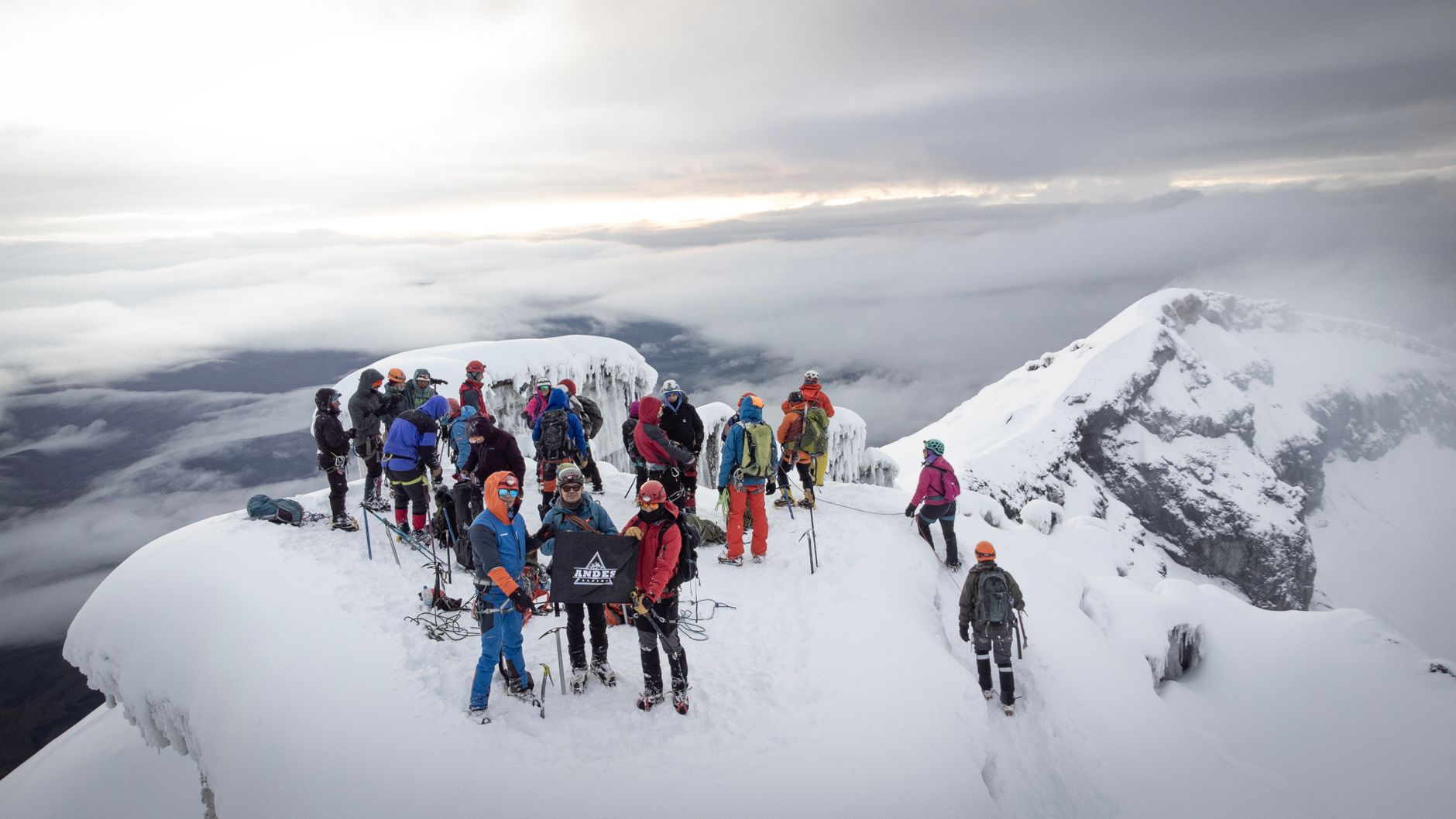
Peruvian mountain rescue units successfully recovered the bodies of Canadian national Sandra Covone and her husband, Daniel Navarro of Mexico, this week following a devastating avalanche on a 6,000-metre peak in the Andes range. The couple was caught in a massive snow slide near the summit, triggering a complex multi-day recovery operation in high-altitude terrain. This incident underscores the increasing volatility of glacial conditions in South America, a critical concern for the international mountaineering community as we navigate the 2026 climbing season. Readers will learn about the specifics of the recovery mission, the current state of Andes mountain safety, and how shifting climate patterns are altering high-altitude expeditions.
- Rescue teams have confirmed the recovery of two climbers following a high-altitude avalanche in Peru.
- The incident occurred on a peak exceeding 6,000 metres, a height that presents extreme logistical challenges for recovery.
- Experts point to unseasonable thermal fluctuations as a primary driver for increased avalanche activity in the region.
The Peruvian Andes, particularly the Cordillera Blanca and Cordillera Huayhuash ranges, attract thousands of high-altitude enthusiasts annually. These mountains offer some of the most technical and rewarding climbs in the Southern Hemisphere. However, the geography is notoriously unforgiving. Sandra Covone and Daniel Navarro were experienced travellers who were reportedly attempting one of the region’s iconic summits when the disaster struck. Local authorities noted that the avalanche occurred during a period of transition in local weather patterns, which often destabilizes accumulated snowpacks.
How did the recovery operation unfold in the high Andes?
The recovery mission was led by the High Mountain Rescue Department (DEPSAM) of the Peruvian National Police. These elite teams operate out of Huaraz, the primary hub for Andean expeditions. Reaching the site required specialized equipment and acclimatized personnel capable of working above 5,000 metres. Heavy snowfall and high winds initially hampered the search, forcing teams to wait for a clear weather window to ensure the safety of the rescuers themselves.
Rescuers utilized drone technology and thermal imaging to pinpoint the location of the climbers beneath the debris. Once identified, the team performed a manual extraction, which is physically demanding at such altitudes due to the thin oxygen levels. The bodies were subsequently transported to the morgue in Huaraz for formal identification and to facilitate the repatriation process with the respective embassies.
“The technical difficulty of these recoveries cannot be overstated. At 6,000 metres, every movement is laboured, and the risk of secondary avalanches remains a constant threat to our personnel,” stated a spokesperson for the regional rescue department.
What are the current trends in mountain safety for 2026?
Mountaineering in 2026 has seen a shift toward more rigorous safety protocols and real-time monitoring. Despite these advancements, the inherent risks of the Andes remain high. Many experts suggest that the “standard” climbing windows are shifting. Traditionally, the dry season from May to September offered the most stable conditions, but recent years have seen unexpected moisture surges and rapid temperature spikes.
Data from the Peruvian Association of Mountain Guides (AGMP) indicates a 15% increase in localized ice-fall events over the last three years. This trend forces climbers to adopt more flexible schedules and invest in higher-quality satellite communication devices. For Canadians planning such trips, checking official Government of Canada travel advisories for Peru is a mandatory first step to understand the regional security and environmental risks.
Essential safety measures for high-altitude expeditions:
- Certified Guiding: Always employ UIAGM/IFMGA certified guides who possess local knowledge of glacier retreat and crevasse patterns.
- Satellite Tracking: Use GPS messengers that allow for two-way communication with emergency services.
- Acclimatization Protocols: Spend at least five to seven days at moderate altitudes before attempting any peak over 5,000 metres.
- Insurance Coverage: Ensure travel insurance specifically includes high-altitude search and rescue (SAR) and heli-evacuation.
Why is glacier instability increasing in the Peruvian Andes?
The tragedy involving Covone and Navarro is part of a broader environmental narrative affecting the tropics. Peru holds approximately 70% of the world’s tropical glaciers. These ice masses are particularly sensitive to global temperature shifts. As the glaciers melt, they create unstable slopes, weakened ice formations, and unpredictable snowpack conditions that can dramatically increase the likelihood of avalanches and rockfalls.
Scientists monitoring the Andes have observed accelerated glacier retreat across several mountain regions over the past decade. As ice coverage diminishes, previously frozen rock faces become exposed to repeated freeze-thaw cycles. This process can destabilize entire sections of mountain terrain, creating new hazards for climbers even on routes that have historically been considered relatively safe.
Temperature fluctuations are another growing concern. Sudden warming periods can rapidly weaken snow layers, increasing the probability of slab avalanches. Conversely, abrupt cold snaps following precipitation events can create fragile interfaces within the snowpack, making conditions difficult to assess even for experienced mountaineers.
Researchers emphasize that climate-related changes do not make climbing impossible, but they do require a reassessment of risk management strategies and route planning. Conditions that were once predictable based on seasonal patterns are becoming increasingly variable from year to year.
The Human Cost of High-Altitude Adventure
The deaths of Sandra Covone and Daniel Navarro serve as a sobering reminder of the risks associated with high-altitude exploration. Mountaineering attracts individuals seeking challenge, adventure, and the opportunity to experience some of the world’s most spectacular landscapes. Yet even experienced climbers can find themselves vulnerable to sudden environmental events beyond their control.
Family members, friends, and fellow climbers have expressed condolences following news of the tragedy. The international mountaineering community often forms close connections through shared expeditions, training programs, and alpine clubs, making such incidents deeply felt across national boundaries.
Experts stress that while preparation, training, and technology significantly improve safety, no expedition can eliminate risk entirely. Avalanches remain among the most dangerous hazards in alpine environments because they can occur rapidly and with little warning, particularly during periods of unstable weather.
The loss of two experienced adventurers has renewed discussions about balancing ambition with caution when planning challenging ascents in remote mountain regions.
Technology Is Transforming Mountain Rescue
One positive development highlighted by the recovery operation is the increasing effectiveness of modern rescue technologies. Drone systems equipped with high-resolution cameras and thermal sensors have become valuable tools for search teams operating in difficult terrain.
In previous decades, locating climbers in avalanche zones often depended entirely on ground searches, which could take days or even weeks under challenging conditions. Today, aerial reconnaissance can significantly narrow search areas and improve recovery efficiency.
Satellite communication devices have also revolutionized mountain safety. Many climbers now carry emergency beacons capable of transmitting their exact coordinates to rescue authorities. These devices provide an important lifeline when conventional communication networks are unavailable.
Despite these advancements, rescue professionals caution that technology should complement—not replace—sound judgment, proper training, and conservative decision-making in the mountains.
The Importance of Environmental Awareness
As conditions in the Andes continue to evolve, environmental awareness is becoming a crucial component of expedition planning. Climbers are increasingly encouraged to consult local guides, review recent weather data, and seek updated information regarding glacier conditions before attempting major ascents.
Many guiding organizations now conduct more detailed risk assessments than in previous years, incorporating satellite imagery, snowpack analysis, and climate monitoring data into their route recommendations.
These efforts reflect a growing recognition that mountain environments are dynamic systems. Understanding how weather, temperature, and glacier behaviour interact can help climbers make better-informed decisions and reduce exposure to unnecessary hazards.
For international visitors, collaboration with local experts remains one of the most effective ways to navigate the complexities of high-altitude terrain safely.
Peru’s Enduring Appeal to Mountaineers
Despite the dangers highlighted by this tragedy, Peru remains one of the world’s premier destinations for alpine climbing. The country’s dramatic landscapes, towering peaks, and rich cultural heritage continue to attract adventurers from around the globe.
The Cordillera Blanca alone contains dozens of major summits, many rising above 6,000 metres. Climbers are drawn by the opportunity to tackle challenging routes while experiencing some of the most spectacular mountain scenery in South America.
Local communities also benefit significantly from adventure tourism, which supports guides, porters, transportation services, accommodation providers, and conservation initiatives throughout the region.
Maintaining this balance between tourism and safety will remain an important priority as climate-related changes reshape the mountain environment in the years ahead.
Lessons for the 2026 Climbing Season
The recovery of Sandra Covone and Daniel Navarro has prompted renewed attention to expedition planning and hazard awareness across the international climbing community. Organizations are encouraging climbers to review emergency procedures, verify equipment readiness, and remain flexible when weather conditions deteriorate.
Experienced mountaineers often emphasize that successful expeditions are measured not only by reaching a summit but also by returning safely. The willingness to postpone or abandon an objective when conditions become questionable remains one of the most important skills in alpine travel.
As the 2026 climbing season progresses, the lessons from this incident are likely to influence decision-making among guides, expedition leaders, and recreational climbers alike.
A Tragic Reminder of Nature’s Power
The deaths of Canadian climber Sandra Covone and Mexican climber Daniel Navarro represent a heartbreaking loss for their families and the wider mountaineering community. Their recovery by Peruvian rescue teams concluded a difficult operation conducted under some of the most challenging conditions imaginable.
At the same time, the tragedy has drawn attention to broader concerns regarding Andes mountain safety, glacier instability, and the evolving risks facing high-altitude expeditions. While advances in forecasting, communication, and rescue technology continue to improve outcomes, the mountains remain environments where nature ultimately dictates the terms.
For climbers heading into the Andes and other major mountain ranges in 2026, the incident serves as a powerful reminder that preparation, respect for changing conditions, and constant vigilance are essential components of every expedition. In landscapes defined by beauty and danger in equal measure, safety must remain the highest summit of all.


