
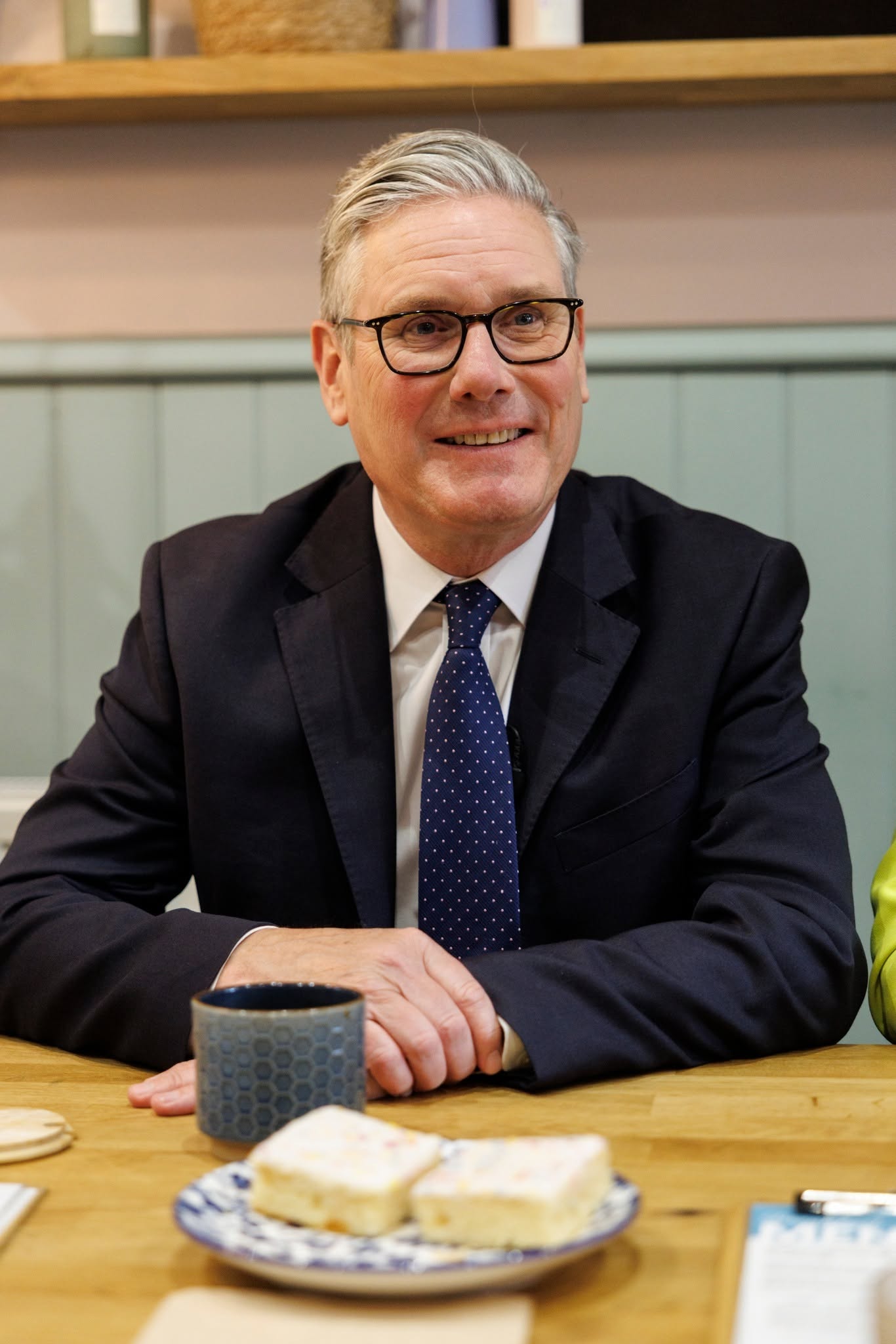
In a move that has sent shockwaves through Westminster, Prime Minister Keir Starmer announced his formal resignation plan outside 10 Downing Street this morning. Citing a desire to facilitate a stable transition for the Labour Party, Starmer confirmed he will remain in office until a successor is chosen by autumn 2026. This announcement follows months of speculation regarding his leadership style and the successful passage of the National Health Service Renewal Act. Readers will learn about the specific timeline for the leadership race, the primary contenders to replace him, and what this transition means for the UK’s economic trajectory. This shift in the 2026 political landscape marks a defining moment for the United Kingdom’s post-Brexit recovery and social reform agenda.
- Prime Minister Keir Starmer will step down by October 2026, following a summer leadership contest.
- The transition aims to preserve market stability and the continuity of the National Health Service Renewal Act.
- Early frontrunners for the leadership include current Cabinet members and rising stars within the Labour Party.
The Prime Minister appeared visibly emotional during his address, a departure from his usually stoic public persona. He reflected on the challenges of his tenure, particularly the complex negotiations surrounding the 2025 European Security Pact. Consequently, political analysts suggest that his decision to step down is a strategic move to allow a new leader to prepare for the 2029 general election.
Historically, Starmer’s leadership has focused on pragmatic governance and rebuilding public trust in institutions. Since taking office in 2024, his administration has navigated significant economic headwinds and public sector strikes. However, the emotional weight of the office and the personal toll of leading during a period of intense global volatility were evident in his farewell remarks.
Why is Keir Starmer stepping down in 2026?
The timing of the announcement is critical. By setting a clear departure date, Starmer avoids the sudden leadership vacuums that characterized previous administrations. He emphasized that the “foundations of the house are now secure,” suggesting that his primary legislative goals have been met. Furthermore, his departure allows the Labour Party to refresh its image without the baggage of immediate crises.
Insiders suggest that internal party polling indicated a desire for a more charismatic communicator to lead the next phase of the UK’s industrial strategy. While Starmer was respected for his competence, the party’s strategic advisors believe a change in leadership will energize the base. In addition, the Prime Minister noted that he wished to spend more time with his family after decades of public service.
“Serving as your Prime Minister has been the greatest honour of my life. I have given everything to this role, and I believe now is the right time to pass the torch to a new generation of leadership that can build upon the stability we have fought so hard to achieve.”
What is the timeline for the 2026 leadership transition?
The formal process for selecting a new leader will begin immediately following the parliamentary summer recess. The Labour Party’s National Executive Committee (NEC) is expected to meet within the week to finalize the rules of the contest. This timeline ensures that a new Prime Minister will be in place before the crucial autumn budget statement.
- July 2026: Nominations for the leadership open to MPs.
- August 2026: Regional hustings and televised debates take place across the UK.
- September 2026: Membership voting period commences.
- October 2026: Winner announced at the annual Labour Party Conference.
The official procedures for the transition of power are overseen by the Cabinet Office, ensuring that governance remains uninterrupted during the leadership contest. This structured approach is designed to maintain investor confidence and prevent administrative paralysis.
How will this affect the UK economy and international relations?
Market reactions were relatively muted following the announcement, suggesting that the resignation had been partially priced in by financial institutions. The British Pound saw a minor fluctuation but stabilized quickly as the Chancellor of the Exchequer issued a statement of continuity. Economic experts believe that as long as the transition remains orderly, the UK’s credit rating will remain unaffected.
Internationally, the news has prompted messages of support from European and North American allies. Starmer was instrumental in strengthening the UK’s ties with the European Union through the 2025 trade addendums. Therefore, any potential successor will likely be scrutinized for their commitment to these international agreements. Maintaining these diplomatic gains is essential for the UK’s ongoing economic growth.
Data from the Office for National Statistics indicates that business investment has grown by 3.2% over the last fiscal year. To protect this momentum, the government intends to fast-track several infrastructure bills before the leadership transition completes. This proactive stance aims to reassure the private sector that the government’s core objectives remain unchanged.
Who are the frontrunners for the next Prime Minister?
Speculation is already mounting regarding who will enter the race. Current Home Secretary Angela Rayner and Chancellor Rachel Reeves are considered top-tier candidates due to their high visibility and legislative successes. Both represent different wings of the party, which could lead to a healthy debate over the future direction of Labour policy.
Additionally, several younger ministers who have performed well in the media are being touted as potential “change” candidates. These individuals may appeal to the younger demographic of the electorate who are looking for fresh perspectives on housing and climate change. The diversity of the potential field suggests a robust and competitive election cycle ahead.
While the leadership race will inevitably draw focus toward internal party politics, the current administration must still manage day-to-day governance. Starmer has promised that his cabinet will remain laser-focused on delivering existing promises during the transition period. This commitment to duty aims to provide the British public with the stability they have come to expect from his government.
As the UK prepares for this significant leadership change, the focus remains on ensuring that the progress made over the last two years is not lost. The coming months will be a test of the Labour Party’s unity and the resilience of the British political system. Stakeholders across all sectors will be watching closely as the transition unfolds, marking the end of the Starmer era and the beginning of a new chapter in British history.
Photocredit: Facebook


