
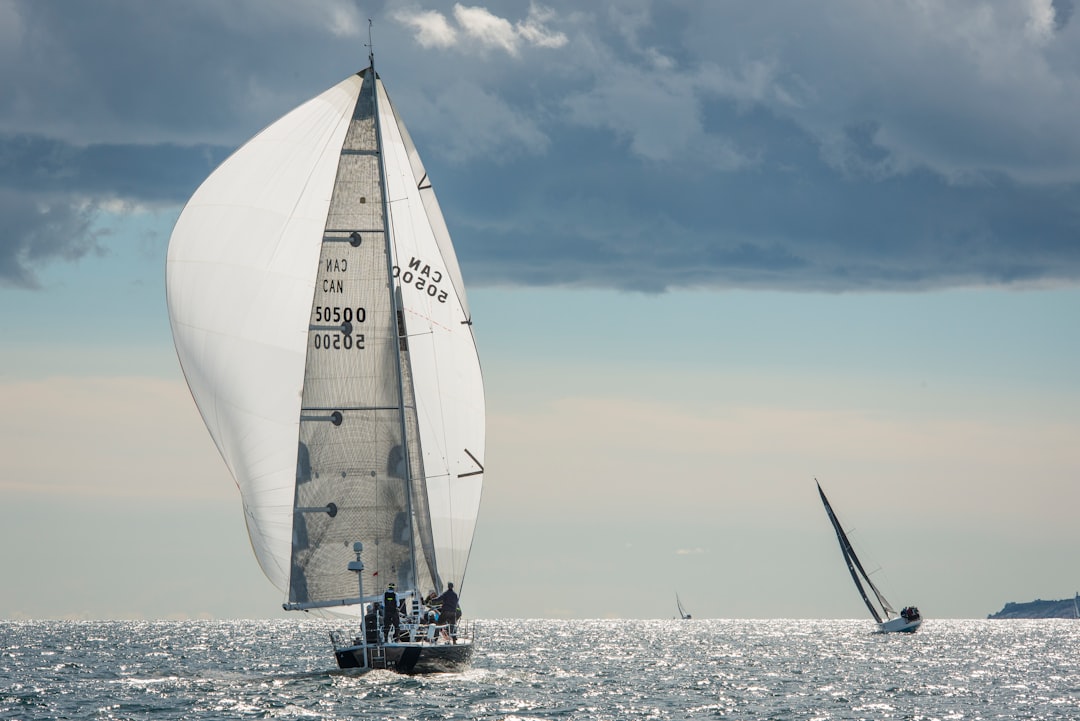
Halifax Harbour prepares to host the world’s most exciting water race as SailGP returns to Nova Scotia in June 2026. Thirteen international teams will pilot identical 50-foot foiling catamarans at speeds approaching 100 km/h, transforming the waterfront into a high-stakes sporting arena. This event marks a pivotal moment for regional tourism, leveraging the city’s unique geography to provide an unparalleled spectator experience. Readers will discover the technical advancements of the F50 fleet and the significant SailGP Halifax 2026 economic benefits expected for the Atlantic provinces.
- Thirteen national teams will compete in the high-tech F50 catamaran class.
- The 2026 event aims to exceed the $14.5 million economic impact recorded during the 2024 debut.
- Halifax’s narrow harbour provides a “natural amphitheatre” that brings the action within metres of the shore.
Why is Halifax the ideal venue for SailGP?
Halifax offers a rare combination of deep water and narrow passages. This geography allows the F50 catamarans to race exceptionally close to the shoreline. Spectators on both the Halifax and Dartmouth waterfronts gain a front-row seat to the tactical manoeuvres of elite athletes. This proximity creates an atmosphere unlike any other stop on the global circuit.
The city’s maritime history also plays a significant role in its appeal. Local fans possess a deep understanding of wind and tide, creating a knowledgeable and engaged audience. Furthermore, the infrastructure along the boardwalk has been specifically adapted to handle the massive influx of international visitors. This readiness ensures that the city can manage the logistical demands of a world-class sailing event.
What is the projected economic impact for Nova Scotia?
The return of SailGP is not merely a sporting triumph; it is a calculated economic driver. In 2024, the event generated an estimated $14.5 million in local economic impact. For 2026, analysts predict this figure will rise as the league expands to thirteen teams. Increased participation means larger support crews, more international media, and a surge in hotel bookings across the Halifax Regional Municipality.
Direct spending at local restaurants and retail shops often peaks during the three-day race window. According to SailGP’s official economic impact assessment, previous events have seen thousands of unique visitors travelling from outside the province. This influx supports hundreds of temporary jobs and provides a significant boost to the provincial tax base. Consequently, the provincial government continues to view the race as a cornerstone of its summer tourism strategy.
“Halifax is built for this. The natural layout of the harbour and the passion of the local community make it one of the most successful venues in our global calendar.” – SailGP Event Representative.
How do F50 catamarans handle the North Atlantic conditions?
The F50 is a masterpiece of modern engineering. These boats use sophisticated hydrofoils to lift the hulls out of the water, reducing drag and allowing for incredible speeds. However, the North Atlantic can be unpredictable. Teams must navigate shifting wind patterns and the unique tidal currents of the Halifax Harbour.
Each boat is equipped with cutting-edge sensors that provide real-time data to the athletes. Pilots must make split-second decisions to avoid capsizing or colliding while maintaining peak velocity. The 2026 season introduces updated wing designs that allow the boats to foil in even lighter winds. This technical evolution ensures that the race remains competitive regardless of the weather conditions on race day.
What should spectators expect for the 2026 race weekend?
The 2026 event will feature a revamped “Race Village” with enhanced interactive displays. Fans can explore the technology behind the foils and learn about the league’s sustainability initiatives. The Impact League, which tracks teams’ environmental footprints, remains a core component of the competition. This focus on green technology resonates with Nova Scotia’s commitment to ocean health and renewable energy.
Ticketing options will likely include grandstand seating, waterfront lounge access, and “on-water” viewing experiences. Organizers recommend booking accommodations early, as downtown hotels often reach full capacity months in advance. Additionally, public transit and ferry services will increase frequency to accommodate the crowds moving between the Dartmouth and Halifax sides of the course.
How does SailGP influence the local sailing community?
The legacy of SailGP extends beyond the race weekend. The league’s “Inspire” program works with local yacht clubs to introduce young sailors to high-performance foiling. This initiative aims to diversify the sport and provide pathways for local talent to reach the professional level. By engaging with youth, the event fosters a long-term interest in maritime careers and competitive sailing.
Local businesses also benefit from the global exposure. The race is broadcast to over 200 territories, showcasing the beauty of the Halifax waterfront to millions of viewers. This international profile helps attract future investment in the region’s growing blue economy. As the city prepares for the 2026 return, the focus remains on creating a sustainable and inclusive event that celebrates the best of Nova Scotia’s maritime culture.
The return of high-speed racing to the East Coast reinforces the region’s ability to host complex, large-scale international events. With thirteen teams ready to battle for the trophy, the 2026 season promises to be the most competitive yet. Residents and visitors alike can look forward to a weekend of adrenaline-fuelled action that highlights the unique spirit of Halifax Harbour.


