
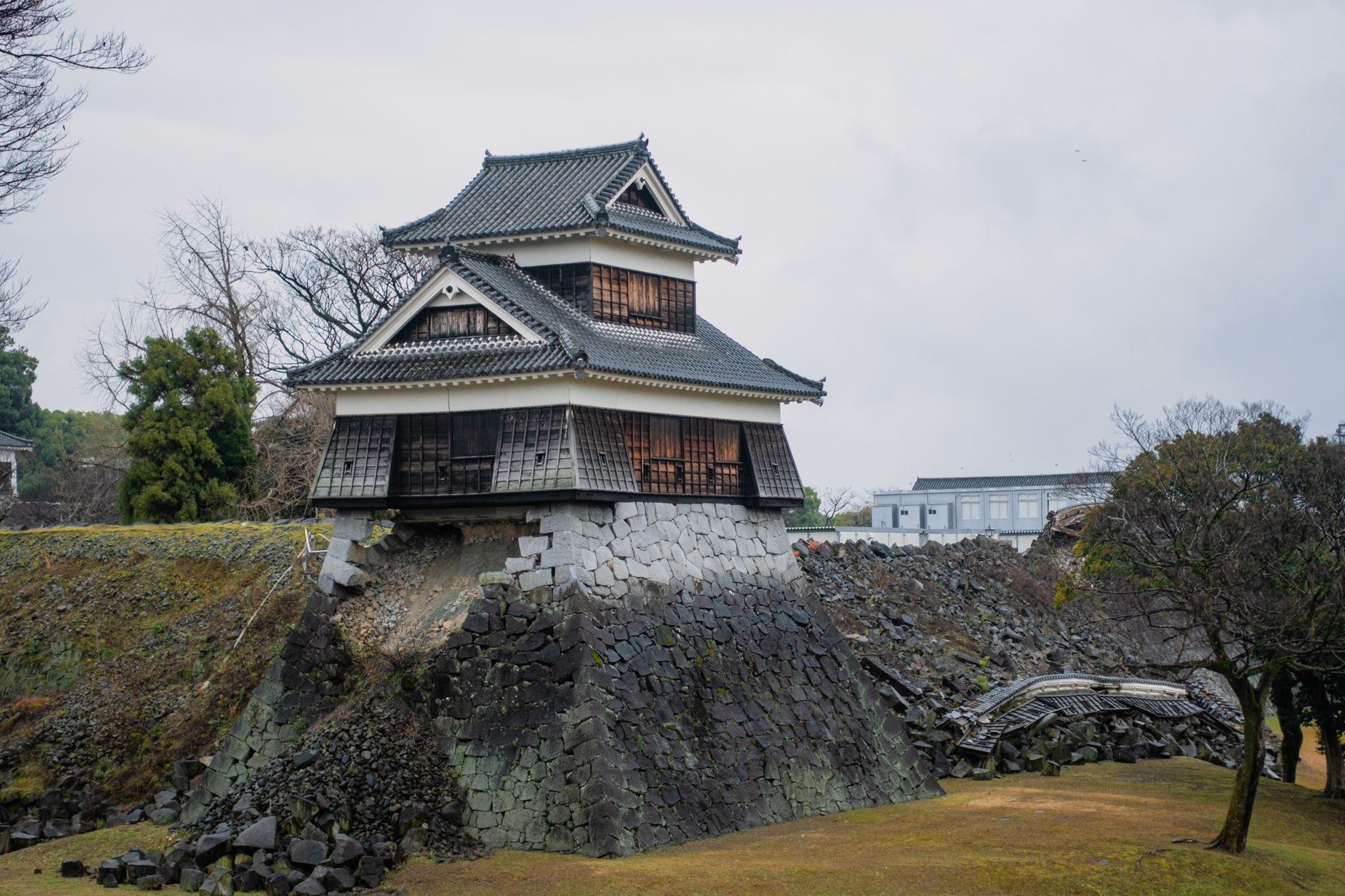
A powerful magnitude 6.9 earthquake recently struck off the coast of northern Japan, sending significant tremors across a wide area. This seismic event prompted immediate tsunami advisories for coastal regions, raising concerns among residents and authorities. While the advisories were later lifted, this incident underscores Japan’s ongoing vulnerability to seismic activity. This article details the immediate aftermath, examines the region’s robust disaster preparedness, and explores the broader implications for communities in northern Japan.
- A magnitude 6.9 earthquake occurred off northern Japan, triggering tsunami advisories.
- Authorities swiftly issued warnings, which were later cancelled with no significant tsunami observed.
- Japan’s advanced seismic early warning systems and stringent building codes played a crucial role in mitigating potential damage.
- The incident highlights the continuous need for vigilance and preparedness in this tectonically active region.
Understanding Japan’s Seismic Landscape
Japan lies on the volatile Pacific Ring of Fire, a horseshoe-shaped zone known for frequent earthquakes and volcanic eruptions. This geographical reality means the nation experiences thousands of tremors annually. Most are minor, but a significant number are powerful enough to cause concern.
The country has a long history of devastating seismic events. This ongoing geological activity necessitates world-leading infrastructure and emergency protocols. These measures aim to protect its population and critical infrastructure from seismic threats.
Immediate Response and Tsunami Advisories
Following the recent magnitude 6.9 earthquake, the Japan Meteorological Agency (JMA) promptly issued tsunami advisories. These warnings targeted coastal areas, particularly along the Pacific seaboard of northern Japan. Initial forecasts suggested potential wave heights of up to one metre in some locations.
Coastal residents and fishing vessels were advised to move to higher ground immediately. Despite these initial concerns, observations confirmed no significant tsunami reached the shore. The advisories were subsequently lifted, allowing residents to return to normal activities.
What Were the Immediate Consequences of the Tremor?
The earthquake struck at a shallow depth, intensifying the shaking felt across several prefectures. Buildings swayed for extended periods, prompting automatic safety shutdowns in some public transport systems. These included sections of the shinkansen bullet train network.
Early reports indicated no major structural damage to buildings or widespread power outages. A few minor injuries were reported, primarily due to falls during the shaking. Local authorities quickly deployed assessment teams to survey infrastructure and ensure public safety.
Emergency services remained on high alert, coordinating with prefectural governments. This rapid, organized response is a hallmark of Japan’s disaster management strategy. It minimizes chaos and facilitates swift recovery efforts.
How Does Japan’s Seismic Preparedness Mitigate Risk?
Japan’s comprehensive earthquake preparedness system is among the most advanced globally. It integrates cutting-edge technology with rigorous public education. Buildings adhere to some of the strictest seismic building codes in the world. These codes mandate structures capable of withstanding powerful tremors.
The nation’s early warning system, J-Alert, provides crucial seconds of warning before strong shaking begins. This allows people to take cover and automated systems to initiate protective measures. Such systems are vital for saving lives and limiting damage during an earthquake.
“Japan’s investment in seismic research and infrastructure resilience is unparalleled,” stated Dr. Kenji Tanaka, a seismology expert at Tohoku University. “Their multi-layered approach, from early warnings to resilient construction, serves as a global benchmark for disaster mitigation.”
Furthermore, regular earthquake drills are a mandatory part of life in Japan. Schools, workplaces, and communities consistently practice emergency procedures. This widespread training ensures a calm and coordinated response when an actual event occurs. For detailed information on Japan’s seismic monitoring and disaster readiness, refer to the Japan Meteorological Agency’s official seismic data and public advisories.
What are the Long-Term Implications for Northern Japan?
While the immediate impact of this particular earthquake was limited, the event serves as a critical reminder. Northern Japan remains a region susceptible to significant seismic activity. Authorities will continue to monitor fault lines and seismic data closely for any signs of increased activity.
Local businesses, particularly those in tourism and fisheries, must consistently integrate disaster readiness into their operations. The psychological well-being of residents, especially those who have experienced past major quakes, also requires ongoing attention. Community support networks play a vital role in this aspect.
The resilience demonstrated by communities in northern Japan is a testament to their continuous efforts. These include adherence to strict safety protocols and a deep understanding of their geological environment. This proactive stance ensures they are better equipped to face future seismic challenges.


