
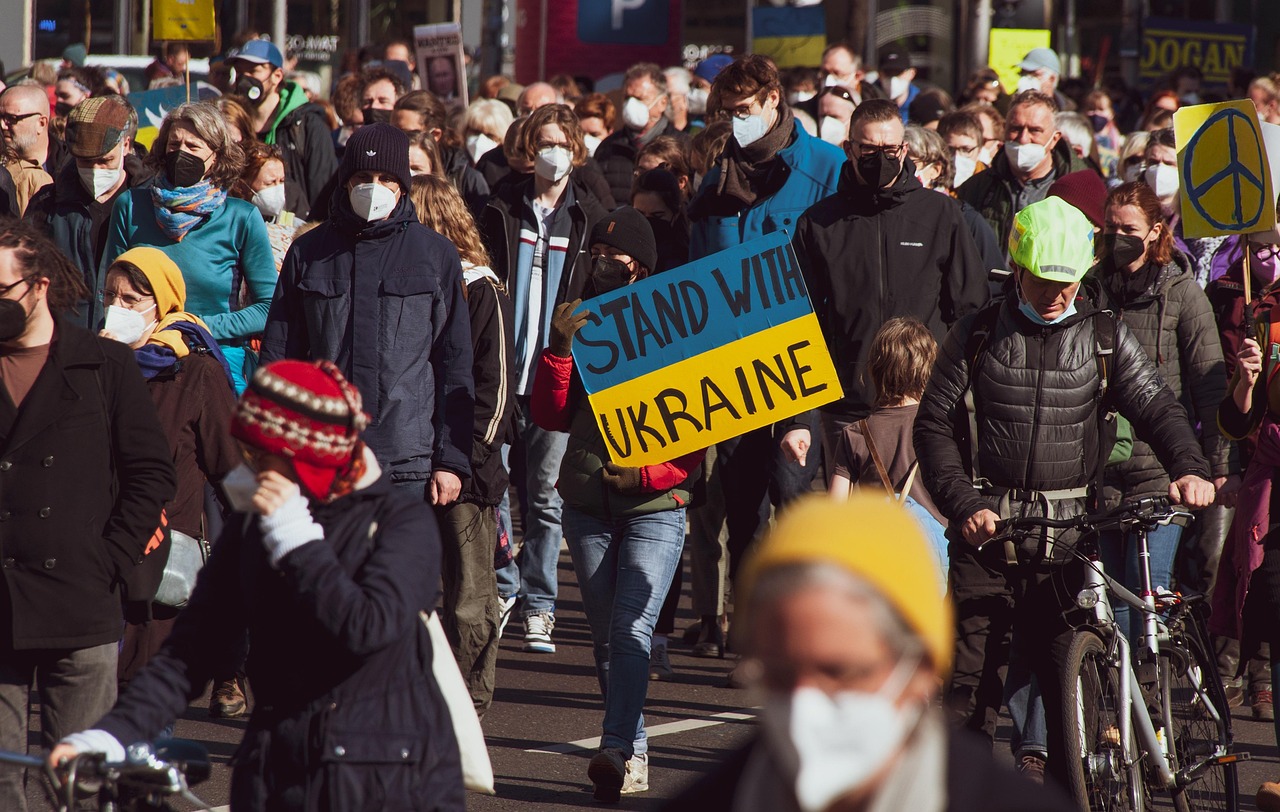
Recent cross-border attacks between Ukraine and Russia have tragically resulted in three fatalities. This highlights the ongoing human cost of the protracted conflict. Overnight, two individuals were killed in reported attacks by Moscow. Kyiv’s forces are reported to have caused one death during retaliatory actions on Russian territory. This latest escalation underscores the persistent danger faced by civilians in border regions. It also raises urgent questions about de-escalation efforts. Readers will learn about the immediate impacts of these incidents, the broader context of the conflict, and the implications for regional stability.
- Three lives were lost overnight in recent cross-border attacks between Ukraine and Russia.
- Two fatalities occurred following reported attacks by Russian forces. One death was linked to Ukrainian actions.
- The incidents underscore the severe humanitarian impact. They highlight the persistent danger to civilians in border areas.
- These events intensify calls for renewed efforts towards de-escalation and protecting civilian populations.
Contextualizing the Ongoing Conflict
The ongoing conflict between Ukraine and Russia intensified significantly recently. It continues to impact civilian populations on both sides of the border. Despite international calls for peace, exchanges of fire and drone attacks remain frequent. These operations often target military infrastructure. However, they frequently result in unintended civilian casualties and damage to non-military sites. The conflict has created a complex humanitarian crisis. It has displaced millions and severely disrupted daily life for those who remain in affected zones.
What are the immediate impacts of these latest cross-border attacks?
The immediate impact of the recent cross-border attacks is the tragic loss of three lives. Civilian infrastructure also faces constant threat from shelling and drone strikes. Residents in affected border communities frequently endure power outages. Disruptions to essential services are also common. Emergency services are routinely deployed to manage the aftermath of these incidents. They provide aid and assess damage.
These events contribute to a pervasive sense of fear and insecurity among local populations. Families often live with the constant threat of violence. This leads to significant psychological distress. Displacement remains a critical issue. Individuals seek safety away from the front lines.
How have recent cross-border incidents escalated?
Cross-border incidents have shown a concerning pattern of escalation in recent quarters. Both sides have reported increased use of long-range weaponry. Unmanned aerial vehicles are also more common. These tactical shifts expand the geographical reach of the conflict. They impact areas previously considered relatively safe. The frequency of these exchanges also appears to be rising. This indicates a heightened state of readiness and engagement.
Such escalations complicate humanitarian aid delivery. Safe passage for civilians is also affected. International observers have repeatedly expressed alarm over the disregard for civilian protection. The lack of clear demilitarized zones further exacerbates these dangers.
What are the humanitarian consequences of sustained conflict?
The sustained conflict carries profound humanitarian consequences. Beyond immediate fatalities, injuries, and displacement, communities face long-term challenges. Access to healthcare, education, and clean water remains severely compromised in many regions. The destruction of homes and livelihoods forces many into prolonged vulnerability. They become dependent on aid.
Mental health issues are also prevalent among those exposed to prolonged conflict. Children, in particular, suffer from disrupted schooling. They also endure the trauma of living in war zones. International humanitarian organizations continue to provide vital assistance. Yet, the scale of need often outstrips available resources.
What verified data and expert perspectives highlight these dangers?
Verified data consistently underscores the severe risks to civilians in the Ukraine-Russia conflict. Reports from independent bodies and international organizations document thousands of civilian casualties. These casualties have occurred since the conflict’s major intensification. These figures include both deaths and injuries. They often result from shelling and aerial attacks. For a deeper understanding of the ongoing humanitarian impact and civilian protection concerns, readers can consult reports from the United Nations Office for the Coordination of Humanitarian Affairs (OCHA) on Ukraine.
Experts in international law emphasize the critical importance of adhering to principles of distinction. They also highlight proportionality and precaution in armed conflict. These principles mandate that parties must distinguish between combatants and civilians. They must ensure attacks are proportionate. All feasible precautions must be taken to avoid civilian harm. Breaches of these laws can constitute war crimes.
Geopolitical analysts often point to the cyclical nature of retaliatory strikes. They suggest that without a fundamental shift in diplomatic engagement, such deadly incidents will likely persist. Each attack, regardless of its stated target, contributes to a cycle of violence. This directly threatens civilian lives.
Implications for Regional Stability and International Response
The recent fatalities serve as a stark reminder of the fragile security situation in Eastern Europe. These incidents risk further entrenching animosity. They also hinder any prospects for lasting peace. For Canada and its allies, the ongoing conflict necessitates continued diplomatic engagement. Humanitarian support is also crucial. The international community faces the ongoing challenge of advocating for civilian protection and de-escalation.
The persistent violence also creates significant geopolitical instability. It impacts global energy markets and supply chains. Leaders worldwide continue to call for a cessation of hostilities. They advocate for a commitment to peaceful resolution. However, the immediate future appears to hold continued challenges for those living in the shadow of this protracted conflict.
Ultimately, the tragic loss of three lives in these latest cross-border attacks underscores the urgent need for all parties to prioritize civilian safety. The human toll of the Ukraine-Russia conflict remains immense. It grows with each incident. Addressing the underlying causes of this violence and committing to diplomatic solutions is paramount. This will prevent further suffering and foster regional stability.


