
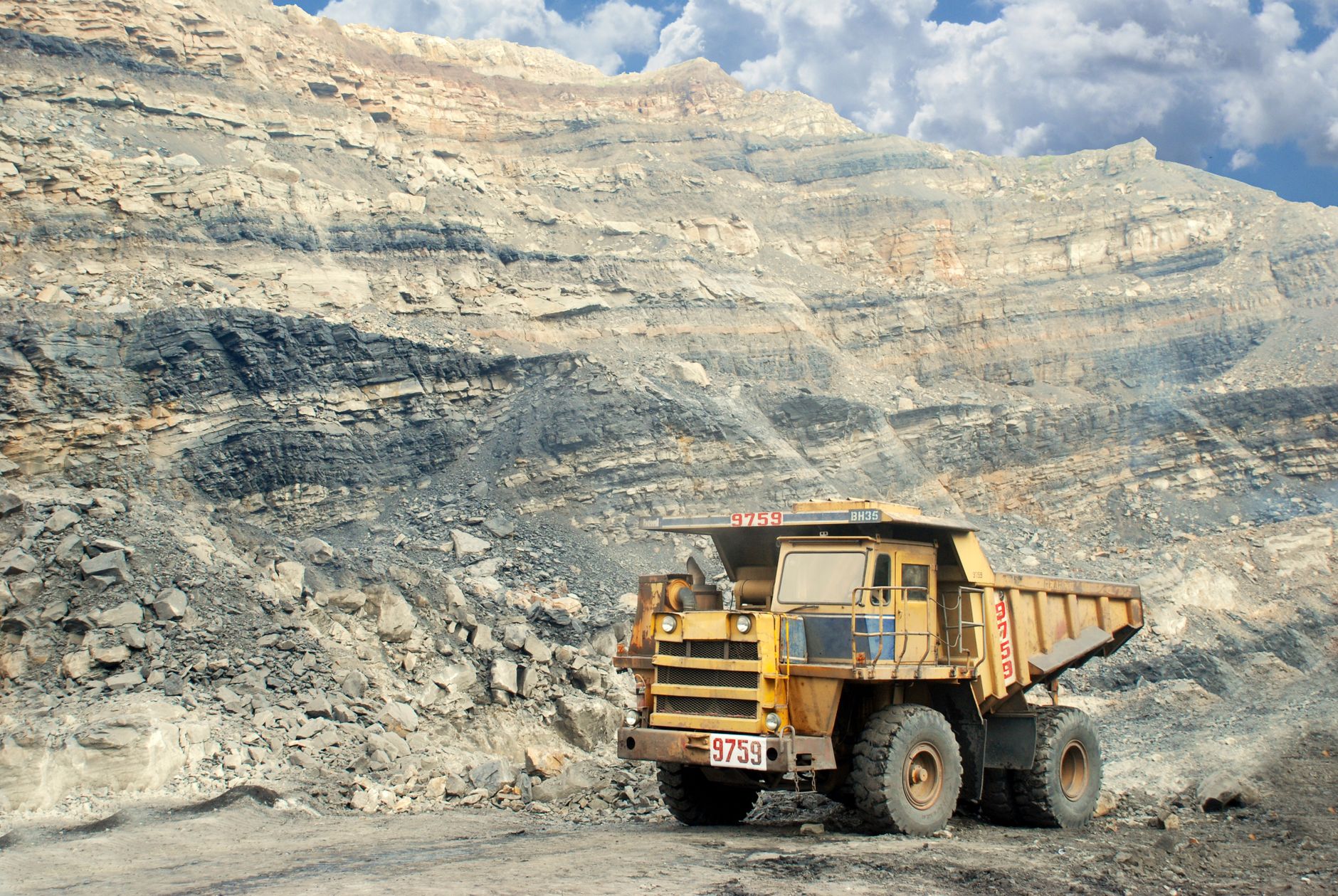
The early Ekati diamond mine closure in the Northwest Territories threatens hundreds of northern jobs. This sudden shutdown highlights the rapid decline of Canada’s traditional diamond mining sector. In recent months, market pressures have accelerated this decision. Readers will learn about the economic impacts, shifting global markets, and the future of northern resource extraction.
- Market pressures and U.S. tariffs have forced the early closure of the Ekati diamond mine.
- Hundreds of northern workers face immediate employment uncertainty in the Northwest Territories.
- The rapid rise of affordable, lab-grown diamonds has permanently disrupted global luxury markets.
Why Have Lab-Grown Diamonds Captured the Market?
Modern technology allows manufacturers to produce flawless diamonds in controlled laboratory environments. These stones possess the exact chemical and physical properties of mined gems. Yet, they retail at a fraction of the price of natural diamonds.
Consequently, younger consumers show a strong preference for these sustainable, affordable options. This cultural shift has severely depressed demand for traditional mined stones. Major jewellery brands have adjusted their inventories to reflect this consumer demand. As retail orders dry up, natural diamond prices continue to fall.
How Do Lab-Grown Diamonds Impact Canadian Mining?
Synthetic diamonds now dominate a significant portion of the retail jewellery market. These lab-grown alternatives cost a fraction of the price of mined gems. As a result, retail consumers increasingly select synthetic options for engagement rings.
This shift has caused natural diamond prices to plummet globally. Therefore, high-cost underground operations in remote arctic regions are no longer financially viable. Operators must re-evaluate their long-term production strategies in northern Canada.
What Are the Economic Consequences for Northern Communities?
The mining sector remains the largest private employer in the Northwest Territories. According to economic data published by the Government of the Northwest Territories, resource extraction drives local businesses. The sudden loss of mining salaries will impact local retail and service sectors.
Thus, the early closure of the Ekati site leaves a massive economic void. Many local contractors and Indigenous-owned businesses rely directly on mine supply chains. These companies provide catering, transportation, and technical services to the mine.
Without these partnerships, regional economic growth will likely slow down dramatically. Furthermore, territorial tax revenues will decrease, affecting public funding for essential services. This decline highlights the vulnerability of relying on a single resource industry.
How Do Global Tariffs Accelerate the Industry Decline?
Recent trade policies have placed additional strain on Canadian exports. Specifically, new U.S. tariffs have disrupted traditional luxury supply chains. These trade barriers make Canadian natural diamonds less competitive in American markets.
Meanwhile, international buyers are seeking cheaper alternatives from other jurisdictions. Consequently, Canadian producers cannot easily offset their high operating costs. The combination of tariffs and synthetic competition created a perfect storm.
In response, mining operators have had to accelerate their closure timelines. This sudden acceleration leaves little time for community transition planning.
What Is the Future of Resource Extraction in the North?
Northern leaders must now pivot toward alternative economic sectors. For instance, critical mineral exploration offers a potential path forward. The region holds rich deposits of lithium, cobalt, and copper.
These materials are essential for the global green energy transition. However, transitioning the workforce from diamonds to critical metals will take time. Workers require retraining programs to adapt to different mining techniques.
In the interim, local governments must support displaced families. Securing new investments for critical mineral projects remains a top priority. This strategic shift could eventually revitalize the northern labour market.
How Does Mine Reclamation Impact the Regional Labour Market?
Fortunately, the closure of a mine does not mean all work stops immediately. Environmental reclamation requires significant labour and expertise over several years. Workers are needed to safely decommission facilities and restore the local landscape.
This reclamation phase can temporarily cushion the blow of sudden job losses. Many heavy equipment operators will transition directly into environmental restoration roles. However, reclamation projects eventually conclude, representing a temporary economic band-aid. Therefore, long-term economic diversification remains absolutely essential for the region.
Ultimately, the closure of Ekati marks the end of an era for Canadian mining. The transition away from natural diamonds represents a permanent structural change. While the loss of jobs presents immediate challenges, it also forces necessary innovation.
By focusing on critical minerals, the territory can build a more resilient economy. Northern communities must embrace this shift to secure long-term prosperity. Adapting to these global market realities will define the region’s economic future.


