
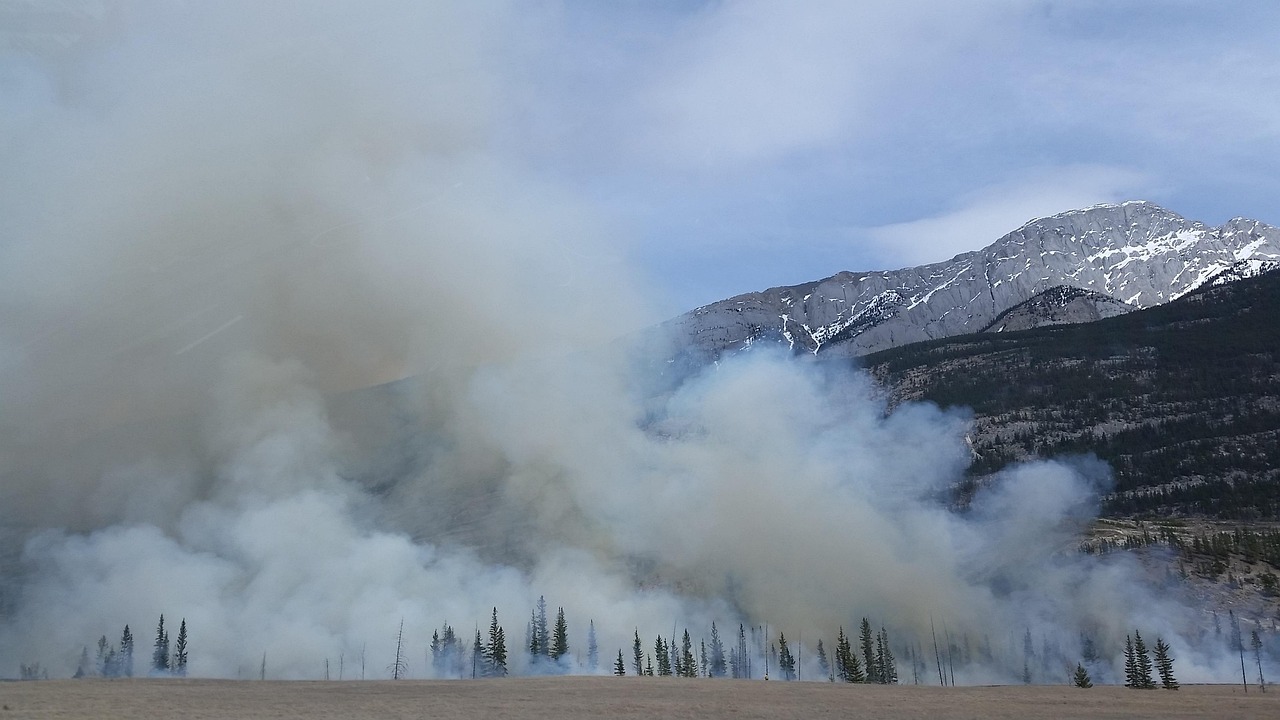
An urgent Edmonton air quality warning is currently active across Alberta. Thick wildfire smoke is drifting south from the Northwest Territories. Provincial health authorities issued immediate advisories after atmospheric conditions deteriorated rapidly. This occurred after weeks of highly volatile weather. This article details the health risks, regional impacts, and protective measures you must take to stay safe.
- Wildfire smoke from the Northwest Territories has triggered widespread air quality advisories across Edmonton and central Alberta.
- The Air Quality Health Index (AQHI) has reached high-risk categories, prompting warnings for vulnerable populations.
- Health officials advise residents to limit outdoor activities, close windows, and use indoor air filtration systems.
Alberta recently experienced highly volatile weather patterns. The province transitioned rapidly from intense heat to torrential downpours. However, the arrival of northern wildfire smoke represents a new seasonal challenge. Prevailing winds carried heavy particulate matter across provincial borders. This drift compromised atmospheric clarity in major municipal centres. Consequently, the regional sky turned a distinct, hazy orange. Local monitoring stations recorded immediate spikes in fine particulate matter. This pollution poses direct risks to respiratory health. Officials warn that the situation remains highly dynamic.
How Does the Wildfire Smoke Affect Your Health?
Wildfire smoke contains a complex mixture of microscopic particles and gases. The primary concern is fine particulate matter, known as PM2.5. These tiny particles penetrate deep into the lungs. They can quickly enter the human bloodstream. Exposure can trigger immediate physical symptoms. Residents may experience irritated eyes, runny noses, and persistent coughing. Severe reactions include shortness of breath and chest pain.
Vulnerable populations face the greatest immediate danger. This group includes infants, elderly citizens, and pregnant individuals. People with pre-existing cardiovascular or respiratory conditions must exercise extreme caution. Even healthy adults can experience reduced lung function during peak exposure. Health officials recommend monitoring personal symptoms closely. Seek medical attention if breathing becomes difficult.
Medical professionals warn against ignoring minor symptoms. A scratchy throat or mild headache indicates systemic irritation. These symptoms can escalate rapidly without intervention. Therefore, limiting physical exertion is a necessary preventative measure.
What Do Official Air Quality Measurements Reveal?
Government monitoring networks track air pollution levels in real time. The Air Quality Health Index measures these risks on a scale from one to ten. Recent readings in Edmonton surpassed the high-risk threshold. According to the official Environment and Climate Change Canada website, the index reached critical levels. This occurred during peak drift hours. This classification indicates a highly elevated risk for the general public.
Historical data shows a rising frequency of these transboundary smoke events. Environmental scientists attribute the trend to drier northern forests. Dry conditions accelerate wildfire spread across the Northwest Territories. Consequently, smoke plumes travel vast distances before dispersing. This pattern complicates regional air quality management. Municipalities must now adapt to unpredictable air quality fluctuations.
Local health authorities coordinate with environmental scientists to issue timely updates. They analyze satellite imagery to predict smoke movement. These predictive models help hospitals prepare for increased emergency admissions. Past trends show a direct correlation between smoke events and respiratory admissions. Consequently, early warnings save lives by allowing proactive preparation.
What Actions Should You Take to Stay Safe?
Minimizing exposure to toxic smoke is critical during active alerts. Keep all residential windows and doors closed tightly. Set home ventilation systems to recirculate indoor air. This prevents outdoor pollutants from entering your living space. Consider using a portable HEPA air purifier in high-traffic rooms. These devices effectively capture fine airborne particles.
Avoid strenuous outdoor physical activities until conditions improve. If you must work outside, wear a well-fitted respirator mask. Standard cloth masks do not filter out microscopic PM2.5 particles. Ensure your pets remain indoors as much as possible. Provide clean drinking water to help them flush out inhaled particles. Stay informed by checking local weather updates frequently.
Community centres are opening clean air shelters for those in need. These facilities offer air-conditioned spaces with advanced filtration systems. Local authorities encourage checking on vulnerable neighbours during this period. Collective community vigilance helps mitigate the health impacts of these environmental crises.
Commercial businesses are also adjusting their operations to protect workers. Many outdoor construction projects have paused temporarily. Employers are prioritizing indoor tasks to minimize employee exposure. This proactive approach reduces the economic burden of health-related absences.
How Will Changing Weather Patterns Impact Future Risks?
Meteorologists continue to track shifting wind currents across Western Canada. Weather systems dictate how quickly smoke disperses or settles. A shift in wind direction could bring rapid relief to the region. However, stagnant air masses often trap pollutants close to the ground. This trapping effect prolongs the duration of local air quality warnings.
Long-term climate projections suggest wildfire seasons will start earlier and last longer. This shift demands permanent adaptation strategies from municipal governments. Enhanced public warning systems are currently under development. Cities are also upgrading public infrastructure with better air filtration. Investing in personal protective measures remains a highly effective defence. Staying proactive ensures your family remains safe as environmental challenges evolve.


