
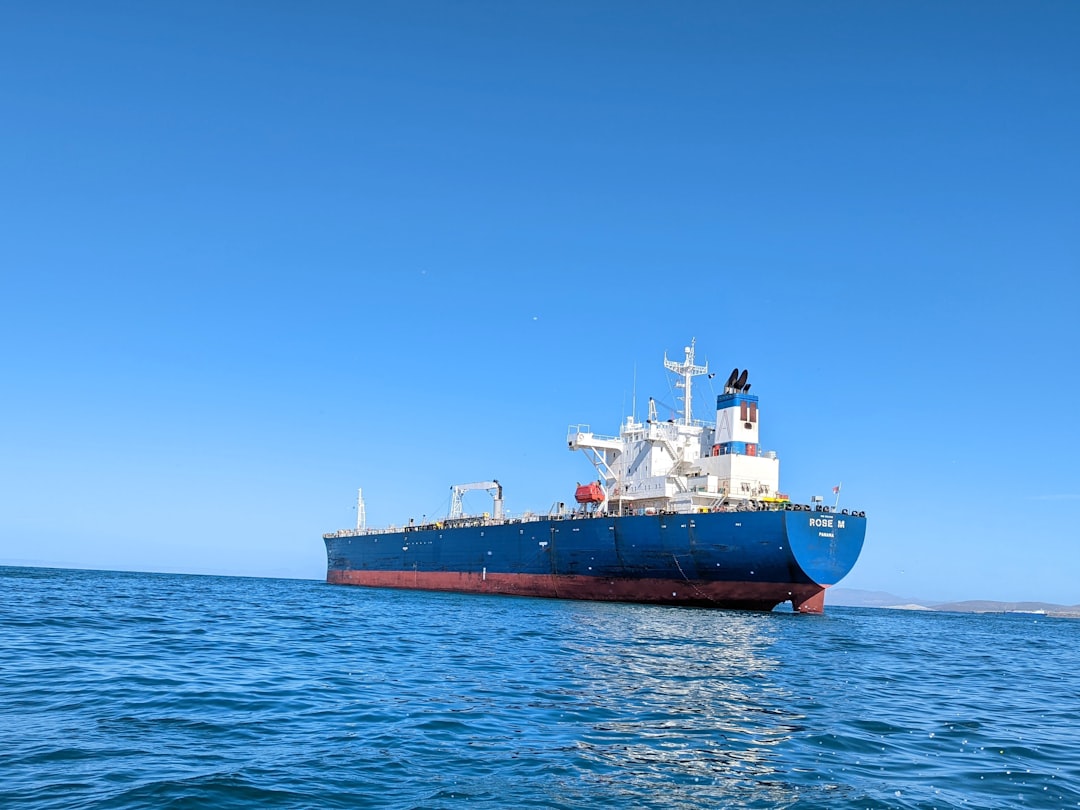
U.S. President Donald Trump has linked recent Hormuz shipping attacks to foreign interference ahead of the American midterm elections. Consequently, Washington has minimized the prospect of immediate diplomatic talks with Tehran.
Meanwhile, allied Houthi militants in Yemen continue to threaten vital commercial lanes in the Red Sea. You will learn how these maritime disruptions impact global energy corridors, trade stability, and democratic processes.
- President Trump suggests maritime aggression aims to influence upcoming U.S. political outcomes.
- Immediate diplomatic negotiations between the United States and Iran remain highly unlikely.
- Houthi rebel activity in the Red Sea continues to threaten critical global shipping lanes.
- Global energy markets face increased volatility as shipping companies reroute vessels around Africa.
Why is the Strait of Hormuz a global flashpoint?
The Strait of Hormuz remains the most critical oil transit chokepoint in the world. Recently, a series of military exchanges and tanker strikes have heightened regional instability. Both American and allied naval forces have increased patrols to secure these waters.
However, persistent threats continue to disrupt international shipping operations. Historically, tensions in the region fluctuate during key political cycles in Western nations. Analysts note that maritime disruptions often serve as geopolitical leverage.
Therefore, the latest warnings align with long-standing patterns of regional posturing. The current escalation has forced shipping companies to re-evaluate their transit routes. Consequently, any localized conflict immediately escalates into a global economic concern.
How does the Red Sea crisis compound the situation?
The threats in the Strait of Hormuz do not exist in isolation. Simultaneously, Houthi forces in Yemen have escalated their attacks on commercial vessels in the Red Sea. This dual-front maritime crisis creates unprecedented challenges for global logistics providers.
Many container ships must now bypass the Suez Canal entirely. Instead, vessels are taking the longer route around the Cape of Good Hope. This detour adds thousands of miles to maritime journeys.
Consequently, transit times have increased by up to two weeks. These delays disrupt just-in-time manufacturing processes across several continents. As a result, shipping rates have surged, reflecting the increased operational risks.
How do Hormuz shipping attacks impact global trade?
Maritime security directly influences global energy prices and supply chain reliability. Indeed, persistent threats in the Middle East force cargo vessels to take longer, more expensive routes. Ultimately, Canadian consumers and global markets bear these compounding costs.
Furthermore, the escalation complicates international efforts to secure maritime trade. Data from the U.S. Energy Information Administration shows huge volumes of petroleum pass through this channel daily. Any prolonged blockage could trigger immediate spikes in global fuel prices.
Consequently, multinational coalitions are prioritizing defensive maritime operations to deter further aggression. Moreover, the instability affects the transport of liquefied natural gas. Countries relying on Middle Eastern energy imports must seek alternative suppliers.
What are the political implications of these maritime threats?
The intersection of physical security threats and democratic processes represents a complex challenge. Washington asserts that these maritime operations are calculated political manoeuvres. By targeting global economic stability, foreign actors may attempt to sway voter sentiment.
Therefore, securing maritime infrastructure has become a matter of national defence. However, diplomatic solutions remain distant. The rejection of immediate talks signals a prolonged period of strategic friction.
Observers expect both sides to maintain their defensive postures. As a result, market volatility is likely to persist in the coming months. In response, international intelligence agencies are increasing cooperation.
How are global allies responding to the security crisis?
Allied nations are coordinating defensive operations to protect commercial shipping. Several countries have deployed naval vessels to patrol key transit corridors. These joint efforts aim to deter hostile actions and ensure safe passage.
Consequently, international cooperation remains essential for maritime stability. Furthermore, joint military exercises are becoming more frequent in neighbouring waters. These drills demonstrate a unified commitment to freedom of navigation.
However, maintaining a constant naval presence requires substantial resources. Some nations face domestic pressure regarding the cost of overseas deployments. Therefore, sustaining these operations over the long term remains a significant challenge.
What strategies are shipping companies adopting to mitigate risks?
Faced with ongoing instability, maritime operators are implementing robust risk-management protocols. Many companies have increased their investment in private onboard security teams. These armed guards provide a vital layer of defence against potential boarding attempts.
Additionally, vessels are utilizing advanced tracking systems to monitor real-time threat levels. Some operators are also forming strategic alliances to share security data. By pooling resources, they can better navigate high-risk zones.
However, these measures significantly increase overall operating budgets. Furthermore, insurers are adjusting their coverage policies for high-risk zones. Some areas are now classified as listed war-risk zones.
For businesses and investors, these developments underscore the need for resilient supply chain strategies. Companies must prepare for ongoing fluctuations in transport costs and energy prices. As naval forces work to secure these waterways, the situation demands constant monitoring. Navigating this complex geopolitical landscape will require agility and foresight from global market participants.


