
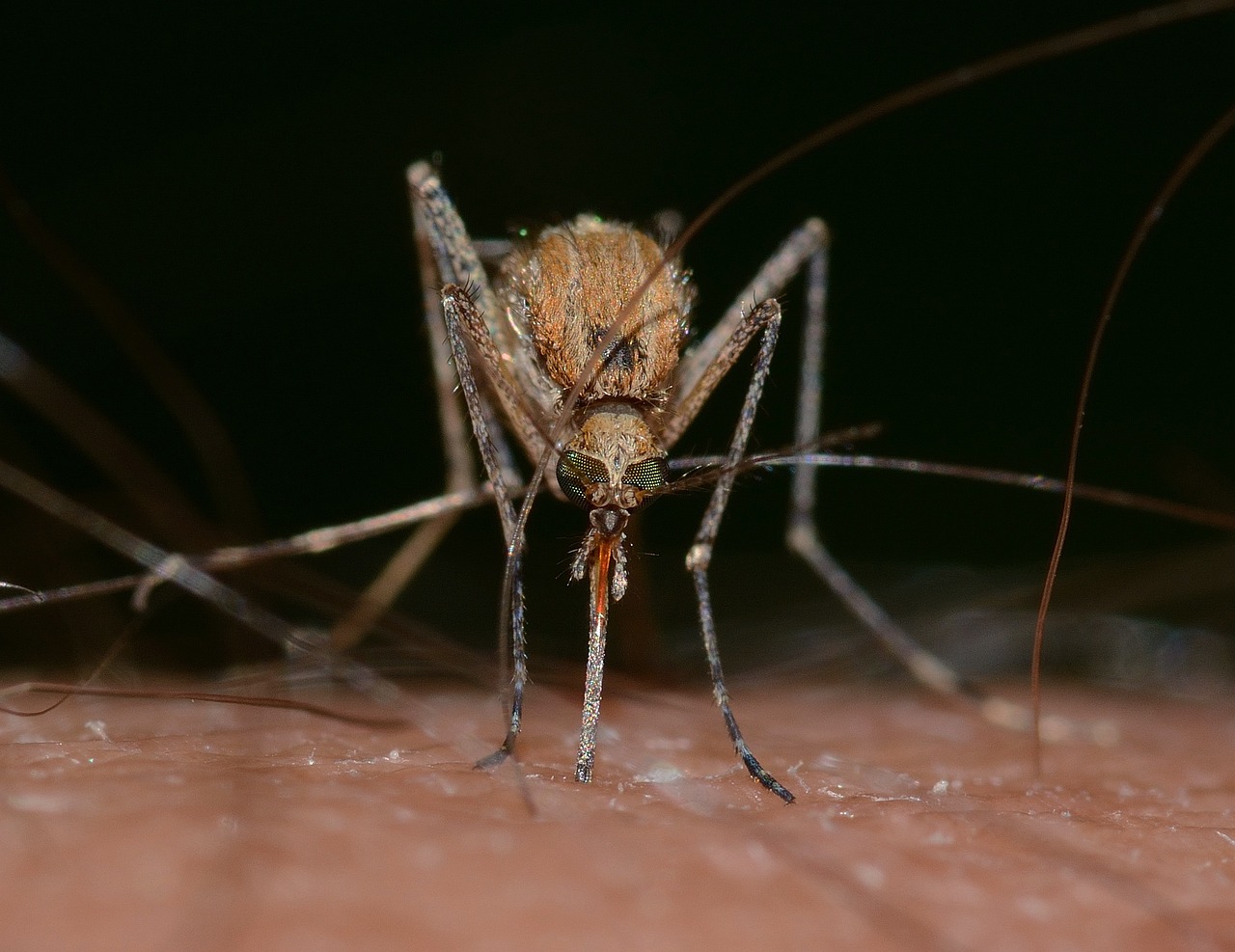
Public health units have detected West Nile virus in Ontario mosquito pools across several communities this summer. This active surveillance reveals an uptick in viral presence as seasonal temperatures peak. Consequently, local health authorities are urging residents to take immediate protective measures against mosquito bites. You will learn how to identify symptoms, reduce local risks, and protect your family from infection.
- Public health officials have confirmed West Nile virus in multiple Ontario mosquito pools.
- Most infected individuals remain asymptomatic, but severe cases can impact the central nervous system.
- Simple preventative actions, such as removing standing water, significantly lower regional transmission rates.
- Using approved insect repellents provides the most reliable personal defence against mosquito bites.
Historically, West Nile virus has behaved as a seasonal threat in Canada. Warm weather accelerates mosquito breeding cycles and viral replication. Recently, surveillance programmes have closely monitored local insect populations to track the virus.
In previous years, late summer marked the peak period for human transmission. Public health laboratories analyze trapped mosquitoes weekly to identify high-risk zones. This proactive monitoring allows municipalities to deploy targeted larvicide treatments in affected neighbourhoods.
What are the symptoms of West Nile virus?
Most people infected with the virus do not show any symptoms. However, roughly twenty percent of infected individuals develop West Nile fever. This condition causes headaches, body aches, mild rashes, and swollen lymph glands.
In very rare cases, the virus penetrates the blood-brain barrier. This severe progression leads to neurological illnesses like encephalitis or meningitis. Symptoms of severe infection include stiff necks, sudden confusion, tremors, and muscle weakness.
Older adults and individuals with compromised immune systems face the highest risk of severe illness. If you experience these severe symptoms, seek emergency medical care immediately.
How can you protect your home and family?
Eliminating mosquito breeding grounds is the most effective way to reduce local viral spread. Mosquitoes lay their eggs in stagnant water, requiring only a tiny amount to multiply. Therefore, residents must regularly empty outdoor containers.
Inspect your property weekly for hidden water hazards. Clean out clogged gutters, empty bird baths, and turn over wading pools when not in use. Additionally, ensure all window screens fit tightly and lack holes.
For personal protection, apply insect repellents containing DEET or icaridin before heading outdoors. Wear light-coloured, long-sleeved shirts and loose pants during dawn and dusk. These simple habits create a powerful barrier against hungry mosquitoes.
Why does standing water pose such a significant threat?
Mosquitoes require stagnant water to complete their life cycle. Even a small bottle cap of water can host hundreds of developing larvae. Consequently, neglected puddles or pool covers become major breeding hubs.
Larvae develop quickly when temperatures remain consistently warm. Within days, these larvae transform into flying, biting adults. Therefore, breaking this cycle is crucial to controlling the local insect population.
How do healthcare providers diagnose and treat the infection?
Currently, there is no specific vaccine or antiviral treatment for West Nile virus in humans. Instead, medical professionals focus on supportive care to manage symptoms. For mild cases, this care includes rest, fluids, and over-the-counter pain relievers.
In contrast, severe cases require hospitalization to receive intravenous fluids and respiratory support. Doctors diagnose the infection using specialized blood tests or spinal fluid analysis. These tests detect specific antibodies produced by the body to fight the virus.
Because early diagnosis is vital, patients should inform their doctors about recent mosquito bites. Early intervention ensures optimal supportive care for vulnerable patients.
What does the official health data show?
According to the Government of Canada West Nile virus surveillance program, infection patterns correlate closely with summer temperature spikes. Warmer seasons consistently lead to higher viral loads in local mosquito populations.
Public health agencies coordinate extensively to track these trends across provincial borders. Their data helps hospitals prepare for potential increases in neurological admissions during late summer.
Moreover, historical records indicate that urban areas often experience higher transmission rates. This trend occurs because paved surfaces retain heat, creating microclimates that favour mosquito activity.
Furthermore, catch basins under city streets collect rainwater, offering ideal breeding environments. Municipal workers routinely treat these basins to keep mosquito numbers under control.
What are the long-term implications for Ontario?
As climate patterns evolve, experts expect longer active mosquito seasons in northern regions. This shift means public health strategies must adapt to prolonged periods of risk.
Municipalities may need to extend their larvicide application schedules. Additionally, public education campaigns must start earlier in the spring to build community resilience.
Ultimately, managing West Nile virus in Ontario requires ongoing cooperation between residents and local governments. By staying informed and maintaining protective habits, communities can safely enjoy the summer months while minimizing health risks.


