
Today marks the historic arrival of the FIFA World Cup 2026 in Toronto, as healthcare professionals across the Greater Toronto Area (GTA) activate comprehensive emergency response protocols. This massive mobilization follows months of intensive training designed to mitigate risks ranging from mass-casualty incidents to viral outbreaks like measles and norovirus. Readers will learn about the specific surge capacity strategies and surveillance systems implemented to ensure public safety during this global event. Toronto World Cup healthcare readiness remains the top priority for provincial and local authorities as millions of international fans descend upon the city.
- Hospitals have expanded surge capacity to manage a projected 20% increase in emergency department visits.
- Real-time infectious disease surveillance is active to detect early signs of measles or norovirus.
- Inter-agency coordination between Paramedic Services and trauma centres has been streamlined for rapid response.
The scale of the 2026 World Cup presents unprecedented logistical challenges for Ontario’s healthcare infrastructure. With matches scheduled at BMO Field and fan zones established across the downtown core, the density of visitors creates a unique public health environment. Officials have spent over eighteen months conducting simulations to test the resilience of the local medical network.
Preparation efforts focused on two primary pillars: trauma response and infectious disease containment. Lessons learned from previous international large-scale events guided the development of these frameworks. Healthcare leaders emphasize that maintaining routine care for residents while managing the tournament influx is a critical success factor.
How is Toronto managing the influx of 2026 World Cup visitors?
Toronto hospitals have implemented a tiered surge capacity model to handle the expected rise in patient volume. University Health Network (UHN) and Sunnybrook Health Sciences Centre have designated specific zones for tournament-related incidents. These areas allow for the rapid triage of patients without disrupting standard emergency services for local citizens.
Staffing levels have been adjusted through the temporary suspension of non-urgent administrative leaves. Many facilities have also integrated advanced digital tracking systems to monitor bed availability across the GTA in real-time. This coordination ensures that no single facility becomes overwhelmed during peak match days.
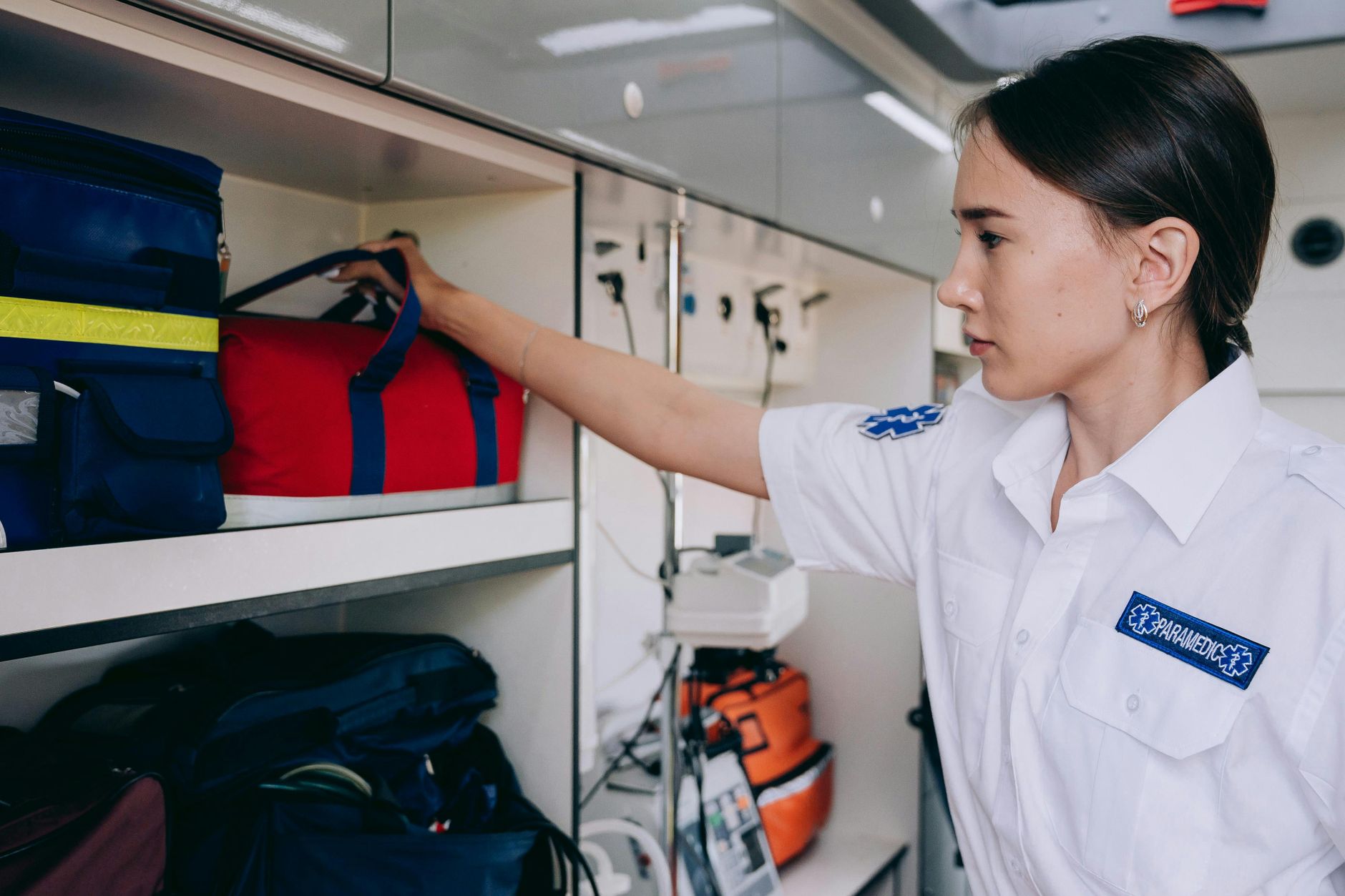
Paramedic services have deployed specialized bike units and foot teams to navigate crowded pedestrian areas. These mobile teams can provide immediate life-saving interventions in environments where traditional ambulances might face delays. This granular approach to coverage is vital for the safety of the densely packed fan festivals.
What health risks are officials prioritizing during the tournament?
Public health officials are maintaining a heightened state of vigilance regarding highly transmissible illnesses. The global nature of the World Cup increases the risk of imported cases of measles, which requires immediate isolation to prevent local spread. Public Health Ontario has enhanced its laboratory testing capacity to provide rapid diagnostics for suspected cases during the tournament window.
Norovirus also poses a significant threat in high-density environments like stadiums and transit hubs. Health inspectors have increased the frequency of audits for food vendors and public sanitation facilities. These proactive measures aim to prevent large-scale gastrointestinal outbreaks that could strain medical resources.
“Our surveillance systems are now more sensitive than ever, allowing us to detect clusters of illness within hours rather than days,” says a senior public health analyst involved in the planning.
Vaccination clinics were also ramped up in the weeks leading up to the opening match. Residents were encouraged to ensure their immunizations were up to date to create a layer of community protection. This preventative strategy reduces the likelihood of local transmission during the month-long event.
How will local emergency services coordinate mass-casualty responses?
The threat of mass-casualty events, whether accidental or intentional, has prompted rigorous inter-agency drills. Toronto Police, Fire Services, and Paramedics have unified their communication channels to ensure seamless information sharing. These protocols are designed to eliminate delays during the ‘golden hour’ of trauma care.
Hospitals have conducted “code orange” simulations involving simulated patients to test decontamination and surgery throughput. These exercises help staff practice the rapid transition from normal operations to disaster mode. Specialized trauma kits have been pre-positioned at key transit points and near the stadium perimeter.
Blood donor clinics have also seen a surge in activity as the city builds its reserves. Canadian Blood Services worked closely with the tournament organizers to host donor events throughout the spring. Having a robust supply of all blood types is a fundamental component of the city’s trauma readiness plan.
What should residents and visitors know about accessing care?
For those attending matches or visiting fan zones, awareness of local medical resources is essential. Minor injuries or illnesses should be directed to urgent care centres or virtual care platforms to keep emergency departments clear for critical cases. Signage in multiple languages has been installed throughout the city to guide international fans to the appropriate level of care.
Travel insurance remains a vital requirement for international visitors, as medical costs for non-residents can be substantial. Local pharmacies have also extended their hours in high-traffic areas to provide over-the-counter solutions for common ailments. This distributed care model helps alleviate the pressure on the core hospital system.
By integrating advanced technology with rigorous physical training, Toronto’s healthcare sector is prepared for the complexities of 2026. The collaboration between municipal, provincial, and federal agencies serves as a blueprint for hosting safe global events. As the first whistle blows today, the focus remains on delivering world-class care while celebrating the world’s most popular sport.


