
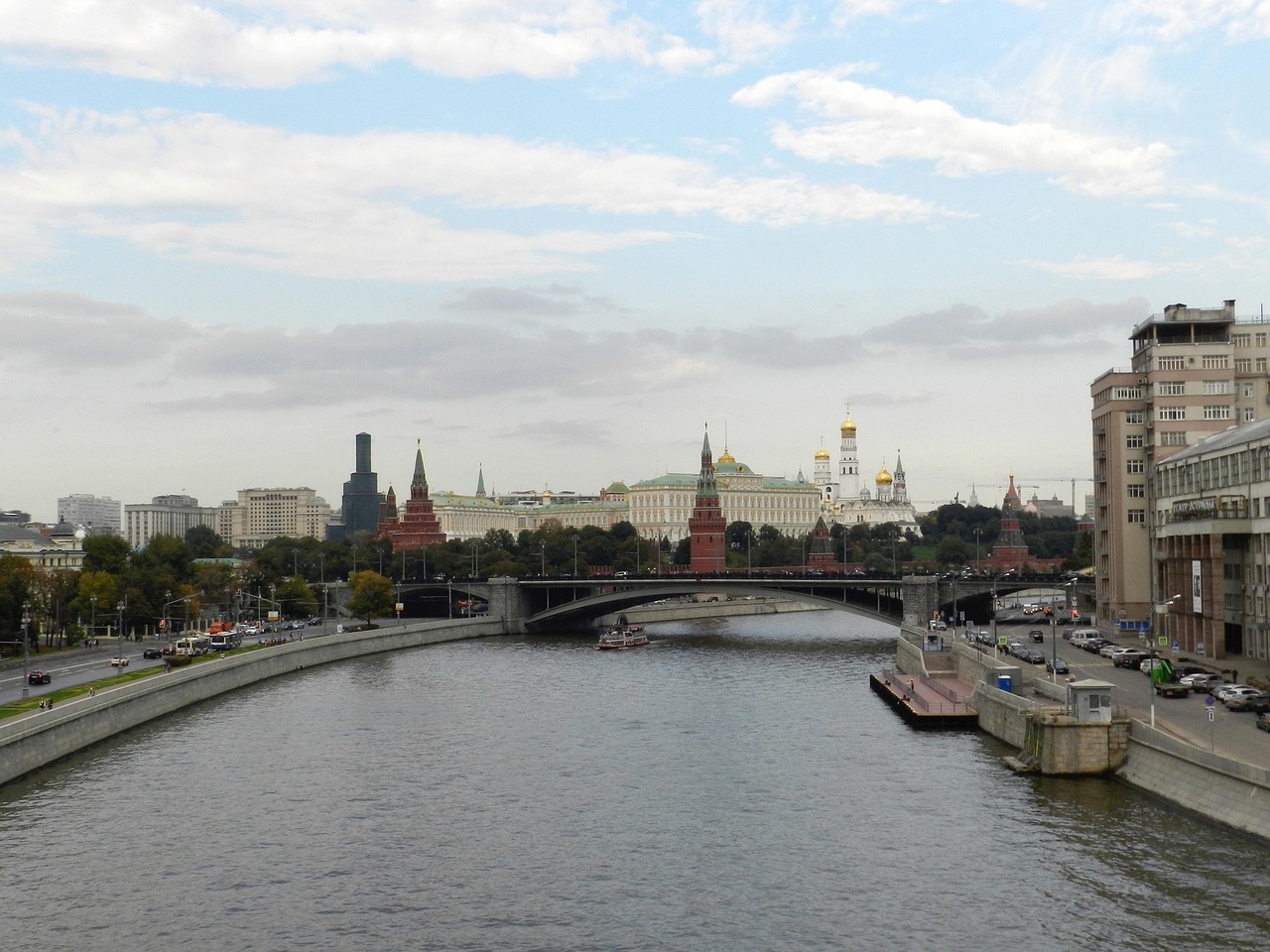
On May 9, Moscow’s Red Square hosted the annual Moscow Victory Day parade, but the event faced an uncharacteristically tepid reception from a public increasingly weary of the more-than-four-year conflict in Ukraine. While the Kremlin intended the display to project national strength and historical continuity, widespread internet outages and visible fatigue among citizens overshadowed the traditional military pageantry. The muted atmosphere in the capital suggests a growing disconnect between state-sponsored patriotism and the lived experience of Russians during a prolonged period of geopolitical tension.
The Historical Weight of Victory Day
Victory Day has long served as Russia’s most significant secular holiday, commemorating the 1945 defeat of Nazi Germany. Historically, the event is a cornerstone of national identity, featuring massive processions of military hardware and the “Immortal Regiment” marches where citizens carry portraits of relatives who fought in the Great Patriotic War.
Under the current administration, the parade has evolved into a high-stakes demonstration of modern Russian military capabilities. However, as the conflict in Ukraine enters its fifth year, the symbolism of the event is being re-evaluated by a public facing the economic and social costs of an enduring war effort.
“The parade is no longer just about the past; it is a barometer for the present state of the nation’s morale,” noted one regional political analyst who requested anonymity.
Internet Outages and Digital Disruptions
One of the most significant points of frustration for Muscovites this year was the widespread disruption of internet services. Reports indicated that mobile data and home broadband connections were severely throttled or completely inaccessible in central Moscow for several hours during the festivities.
Technical experts suggest these outages may have been part of heightened security measures. The use of electronic warfare (EW) equipment to jam drone signals frequently interferes with civilian telecommunications in major Russian cities during high-profile events.
Many residents expressed anger on offline messaging platforms, noting that the inability to access maps or contact family members made navigating the city during the holiday nearly impossible. This digital blackout contributed significantly to the dampened mood of the crowd, as people were unable to share photos or follow the event in real-time.
Military Display and Public Fatigue
The military hardware on display this year appeared more modest than in the pre-2022 era. Observers noted a continued reliance on older equipment and a smaller contingent of modern tanks, a trend that has been visible since the escalation of the Ukraine conflict. This shift in the parade’s composition has not gone unnoticed by the Russian public, who are increasingly aware of the resource drain caused by the ongoing front-line requirements.
Public fatigue is manifesting in various ways across the capital. Attendance figures, while still high in official reports, were described by independent observers as lacking the spontaneous enthusiasm of previous decades. The standard chants of “Ura!” seemed less resonant, and many spectators departed shortly after the main columns passed, skipping the cultural festivities that usually follow.
Recent data from independent polling suggests that while support for the military remains a stated norm, the desire for a resolution to the conflict is at an all-time high. The prolonged nature of the “Special Military Operation” has shifted public focus from territorial gains to the stability of the domestic economy and the return of mobilized personnel.
Geopolitical Context and Security Concerns
The security perimeter around Red Square was notably tighter this year. Metal detectors, facial recognition cameras, and a heavy police presence created a fortress-like atmosphere that many found off-putting. These measures are a direct response to the increased frequency of drone incidents and domestic sabotage attempts reported within the Russian Federation over the last eighteen months.
For the Kremlin, the challenge lies in balancing the need for a grand public spectacle with the necessity of protecting high-ranking officials and infrastructure. This tension often results in a sanitized, highly controlled environment that feels distant from the average citizen’s reality.
Implications for the Kremlin’s Narrative
The muted response to the Moscow Victory Day parade signals a potential shift in the effectiveness of state propaganda. When the primary tool for national unity—the memory of 1945—is used to justify a modern conflict that has lasted longer than many anticipated, its emotional impact may begin to diminish.
For the defence industry and the military leadership, the display is a required performance of readiness. Yet, for the Russian people, the parade is becoming a stark reminder of the gap between official rhetoric and the complexities of a nation at war. The combination of technical inconveniences and emotional exhaustion is creating a sense of resignation rather than the intended fervour.
As the government looks toward the next year of the conflict, maintaining domestic stability will require more than just displays of hardware. Addressing the underlying frustrations regarding connectivity, security, and the timeline of the war will be essential if the Kremlin hopes to recapture the genuine public engagement that once defined this historic anniversary. The silence in the streets of Moscow this year may be the most telling signal of the challenges that lie ahead for the Russian leadership.


