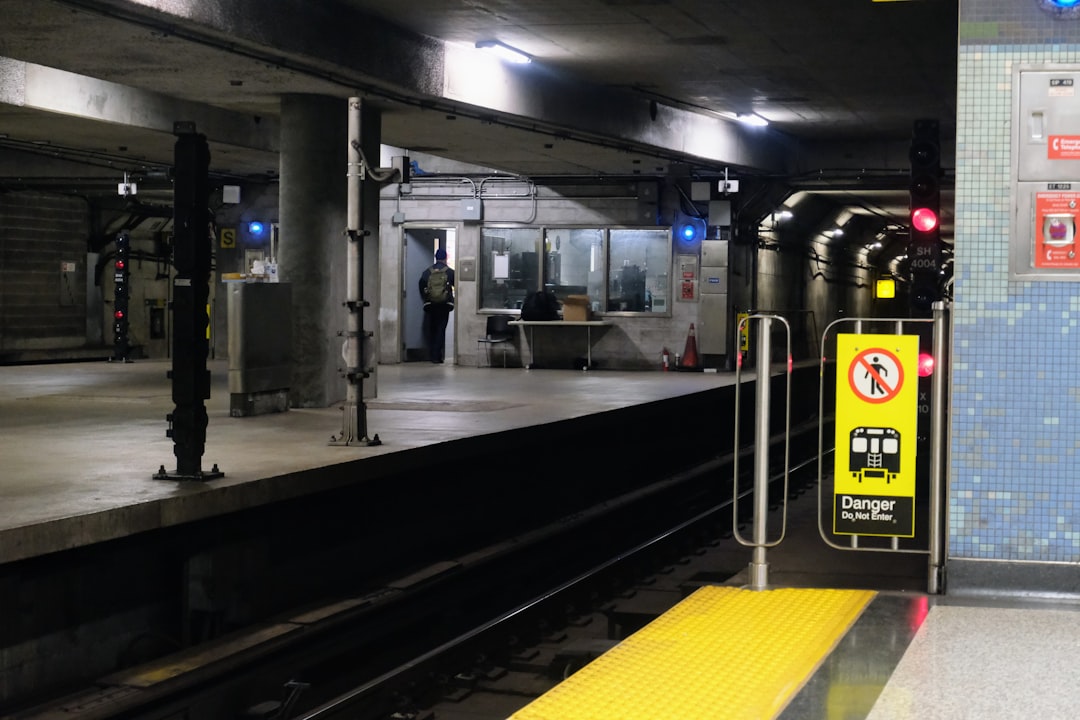
The Toronto Transit Commission (TTC) and CUPE Local 2 continued intense collective bargaining sessions early Monday morning in a final effort to avert a massive transit disruption. Negotiators for both the city and the union representing over 650 electrical and trades workers remained at the table past the midnight strike deadline. These high-stakes discussions seek to resolve long-standing disputes over wages and benefits that could halt subway service for millions of commuters. Toronto residents are currently advised to check real-time service updates as the threat of a 2026 TTC strike remains a possibility during this overtime period.
Key Takeaways:
- Negotiations between the TTC and CUPE Local 2 are ongoing past the original strike deadline.
- Transit service currently remains operational while both parties continue to talk.
- Key issues include wage adjustments for inflation and improvements to employee health benefits.
- A potential work stoppage would primarily affect subway maintenance and signal communications.
This evolving situation follows months of tension between the transit agency and its specialized technical workforce. Understanding the current labour landscape is essential for anyone relying on the Toronto transit network this week.
What is the current status of the TTC strike?
As of 6:00 AM on Monday, June 15, 2026, the TTC has not officially declared a service suspension. Union leadership and transit executives agreed to extend the bargaining window as long as progress is being made. This “stop the clock” tactic is common in complex municipal labour disputes. It provides a final opportunity to bridge the gap on fiscal disagreements.
Commuters should expect potential delays even if a full strike is avoided today. Maintenance backlogs often occur during periods of labour uncertainty. The TTC has positioned extra staff at major hubs like Union Station and Bloor-Yonge to assist with crowd management. The city is prioritizing the safety of the network while the legal right to strike is active.
Why is the 2026 TTC labour dispute happening now?
The current conflict stems from a landmark 2024 court ruling. This decision restored the right to strike for TTC employees after years of being deemed an essential service. Consequently, CUPE Local 2 members are now exercising their collective bargaining power with renewed leverage. This is the first major contract negotiation under this new legal framework.
The union represents critical staff who maintain the complex electrical systems of the subway. Without these workers, the TTC cannot guarantee the safe operation of signal systems. Furthermore, the rising cost of living in the Greater Toronto Area has intensified wage demands. Workers are seeking parity with other skilled trades across Ontario.
Historically, the TTC has struggled with infrastructure modernization and funding gaps. These financial pressures directly impact the bargaining table. The city must balance fiscal responsibility with the need to retain specialized technical talent. Skilled electricians are in high demand across the province’s energy and construction sectors.
How would a strike affect Toronto’s economy and the 2026 World Cup?
The timing of this dispute is particularly sensitive due to Toronto’s role as a host city for the 2026 FIFA World Cup. Thousands of international visitors are expected to arrive in the city this month. A transit shutdown would create logistical challenges for fan zones and stadium access. Consequently, the pressure on both parties to reach a deal has never been higher.
The Toronto Board of Trade estimates that a full transit strike costs the city millions in lost productivity daily. Small businesses in the downtown core rely heavily on the 1.7 million daily boardings. Moreover, workers in the service sector often have no alternative transportation options. This makes the TTC a vital artery for the regional economy.
City officials have developed a contingency plan involving increased GO Transit frequency. However, these measures cannot fully replace the capacity of the subway lines. Dedicated shuttle buses would be deployed, but traffic congestion would likely reach record levels. The environmental impact of increased car usage is also a concern for municipal planners.
Expert perspectives on the bargaining process
Labour relations analysts suggest that the extended talks are a positive sign. “The fact that they are still talking past the deadline indicates a mutual desire to avoid a walkout,” says Sarah Jenkins, a senior analyst at the Toronto Labour Institute. She notes that both sides are aware of the public relations risk. A strike during a major international event would be damaging to all involved.
Data from previous negotiations shows that most deals are reached in these “overtime” hours. The final details often involve small adjustments to benefit packages or shift premiums. According to the Ontario Labour Relations Board guidelines on strike actions, parties are encouraged to maintain communication to minimize public harm. These guidelines provide the framework for the current mediation efforts.
The TTC has remained transparent about its financial constraints. Recent reports highlight a significant budget shortfall for the 2026 fiscal year. This makes the union’s request for substantial wage increases difficult to fulfill without provincial intervention. The role of the Ontario government in providing emergency funding remains a key variable in the final outcome.
What should commuters do during the negotiations?
The most important action for riders is to stay informed through official channels. The TTC’s mobile app and social media feeds provide the most accurate real-time data. Additionally, employers are encouraged to offer flexible work-from-home options where possible. This reduces the burden on the remaining transit infrastructure during periods of uncertainty.
Meanwhile, the city’s bike-share program has increased its capacity at major transit nodes. Walking and cycling remain the most reliable options for short-distance travel within the downtown core. If you must drive, allow for triple the usual travel time due to anticipated gridlock. Planning alternative routes now will save time if a strike is called suddenly.
As the sun rises over Toronto, the city waits for a final announcement from the bargaining table. The outcome of these talks will set a precedent for other public sector unions in the city. For now, the trains continue to run, but the situation remains fluid. Monitor local news outlets for a potential joint press conference later this morning. Staying prepared and flexible is the best way to navigate this transit uncertainty.