
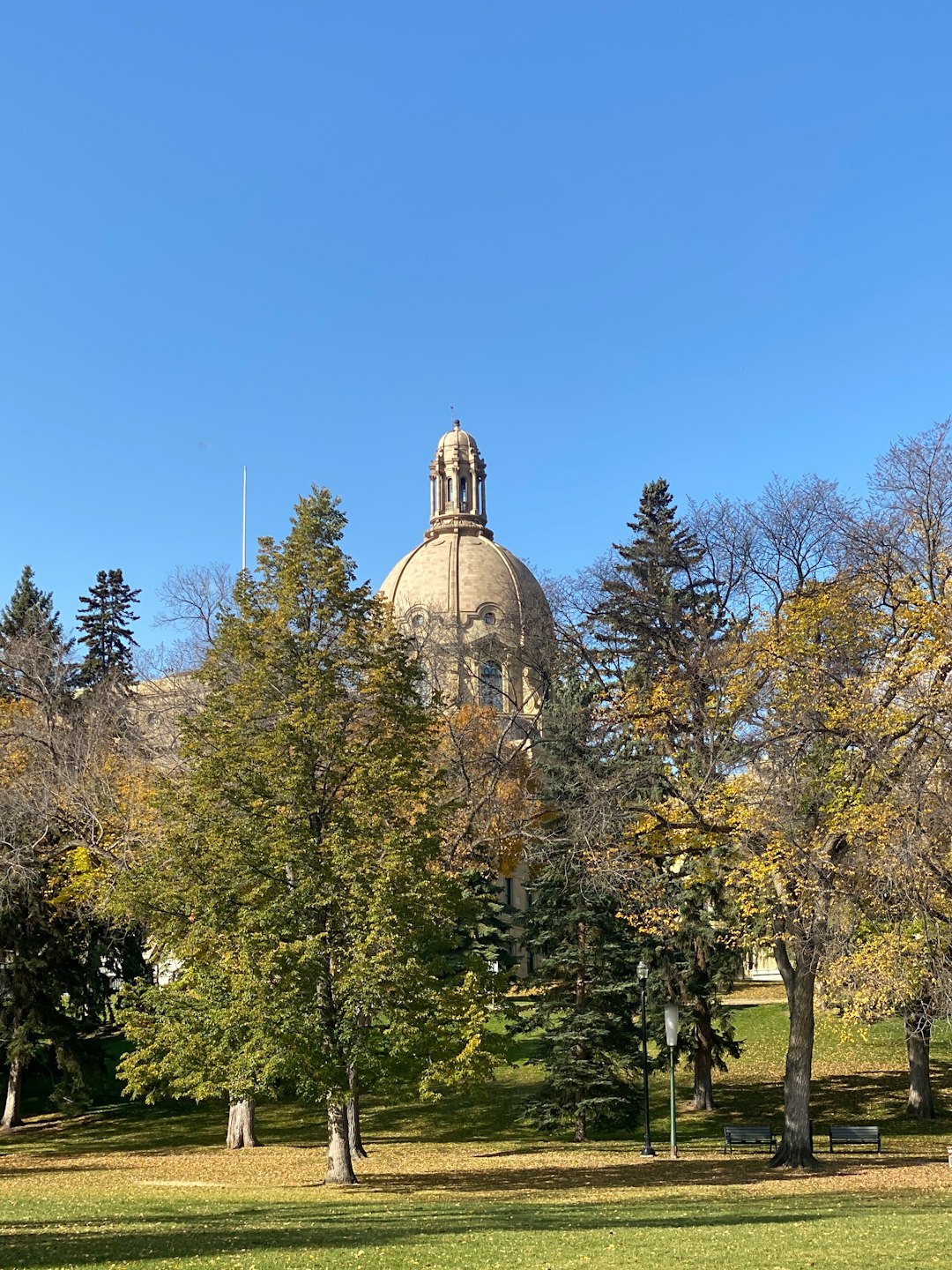
On October 14, 2026, Alberta’s sovereignty movement reached a historic turning point in Edmonton. Organizers submitted a verified petition with over 500,000 signatures to the provincial legislature, demanding a formal referendum on separation from Canada. This move follows years of escalating friction between the provincial government and Ottawa over resource management and federal fiscal transfers. In this article, you will learn about the legal hurdles, economic projections, and political triggers surrounding the Alberta independence referendum 2026 movement.
“The sheer volume of signatures represents a fundamental shift in the province’s political landscape,” states a local political analyst.
Key Takeaways
- Organizers have officially triggered a legislative review for a provincial referendum on independence.
- Legal experts cite the 1998 Supreme Court ruling as the primary hurdle for unilateral secession.
- Economic forecasts suggest significant trade and currency complexities if separation proceeds.
The current momentum did not appear overnight. It stems from decades of perceived economic imbalance within the Canadian federation. Albertans have long expressed frustration with the federal equalization program. They argue the province contributes disproportionately to the national treasury while facing regulatory hurdles for its energy sector.
Recent legislative moves have paved the way for this moment. The 2022 Sovereignty Act provided a framework for Alberta to challenge federal laws. Since then, provincial leaders have increasingly asserted control over local jurisdictions. This petition represents the first time the movement has moved from legislative rhetoric to a direct public mandate.
How does the 2026 petition impact Alberta’s legal status?
The submission of the petition forces the provincial government to address the independence question directly. Under current provincial law, a verified petition of this scale requires a formal response or a legislative debate. However, the path to actual independence is fraught with constitutional complexity. A provincial vote alone cannot legally sever ties with the federal government.
Constitutional experts point to the Supreme Court of Canada Secession Reference as the definitive legal guide. The 1998 ruling states that a province cannot unilaterally secede under international or domestic law. Instead, a “clear majority on a clear question” would trigger a constitutional obligation for all parties to negotiate. These negotiations would cover everything from debt sharing to Indigenous land rights.
Furthermore, Indigenous leaders have voiced significant concerns regarding treaty obligations. Many First Nations in Alberta maintain that their treaties are with the British Crown, not the provincial government. Consequently, any move toward independence would require extensive consultation with Treaty 6, 7, and 8 signatories. This adds a layer of diplomatic complexity that the movement has yet to fully address.
What are the economic implications of an Alberta exit?
Economists remain divided on the long-term viability of an independent Alberta. Supporters argue that keeping all tax revenue within the province would create an immediate surplus. They point to the billions of dollars Alberta sends to the federal government annually. This capital, they claim, could fund world-class infrastructure and diversify the economy.
In contrast, critics highlight the massive costs of creating new state institutions. An independent Alberta would need its own central bank, tax agency, and military. Furthermore, being a landlocked nation would complicate the export of oil and gas. Trade agreements like the USMCA would need to be renegotiated entirely, potentially leaving Alberta in a vulnerable position.
Market volatility is another immediate concern for investors. Since the petition’s submission, some firms have expressed hesitation regarding long-term capital projects in the oil sands. Uncertainty regarding currency and trade borders often leads to capital flight. Financial analysts suggest that a transition period could last over a decade, impacting provincial credit ratings.
How is the federal government responding to the movement?
Ottawa has maintained a cautious but firm stance on the issue. Federal officials emphasize the importance of national unity while acknowledging regional frustrations. They have offered to discuss reforms to the equalization formula to address Alberta’s concerns. However, the federal government maintains that the rule of law must prevail in all constitutional matters.
Polling data across Canada shows a mix of indifference and concern. While some provinces sympathize with Alberta’s economic grievances, few support the idea of national fragmentation. The federal government is likely to use these national sentiments to pressure provincial leaders into a compromise. This could include increased autonomy over immigration or environmental regulations.
Political strategists suggest that the referendum drive might be a leverage tactic. By demonstrating a credible threat of separation, Alberta could win significant concessions from Ottawa. This “negotiation by fire” approach has been seen in other global independence movements. Whether the organizers will accept a compromise or push for a full exit remains the central question.
What should Albertans expect in the coming months?
The legislative assembly must now verify each signature on the petition. This process will likely take several months and involve rigorous auditing. If the petition is validated, the government will face intense pressure to set a referendum date. Public debates and town halls are expected to dominate the provincial discourse throughout 2027.
Residents should prepare for an era of heightened political activity. Advocacy groups from both sides will likely launch large-scale media campaigns. Voters will need to weigh the emotional appeal of sovereignty against the practical realities of economic transition. The outcome will depend on how clearly both sides can articulate their vision for the future.
As the province nears this crossroads, the focus remains on the democratic process. Regardless of the eventual outcome, the 2026 petition has fundamentally altered the relationship between Alberta and the rest of Canada. The movement has forced a national conversation on the fairness of the federation that can no longer be ignored. Albertans now hold the power to shape the next chapter of their provincial history through informed participation and civil debate.


