
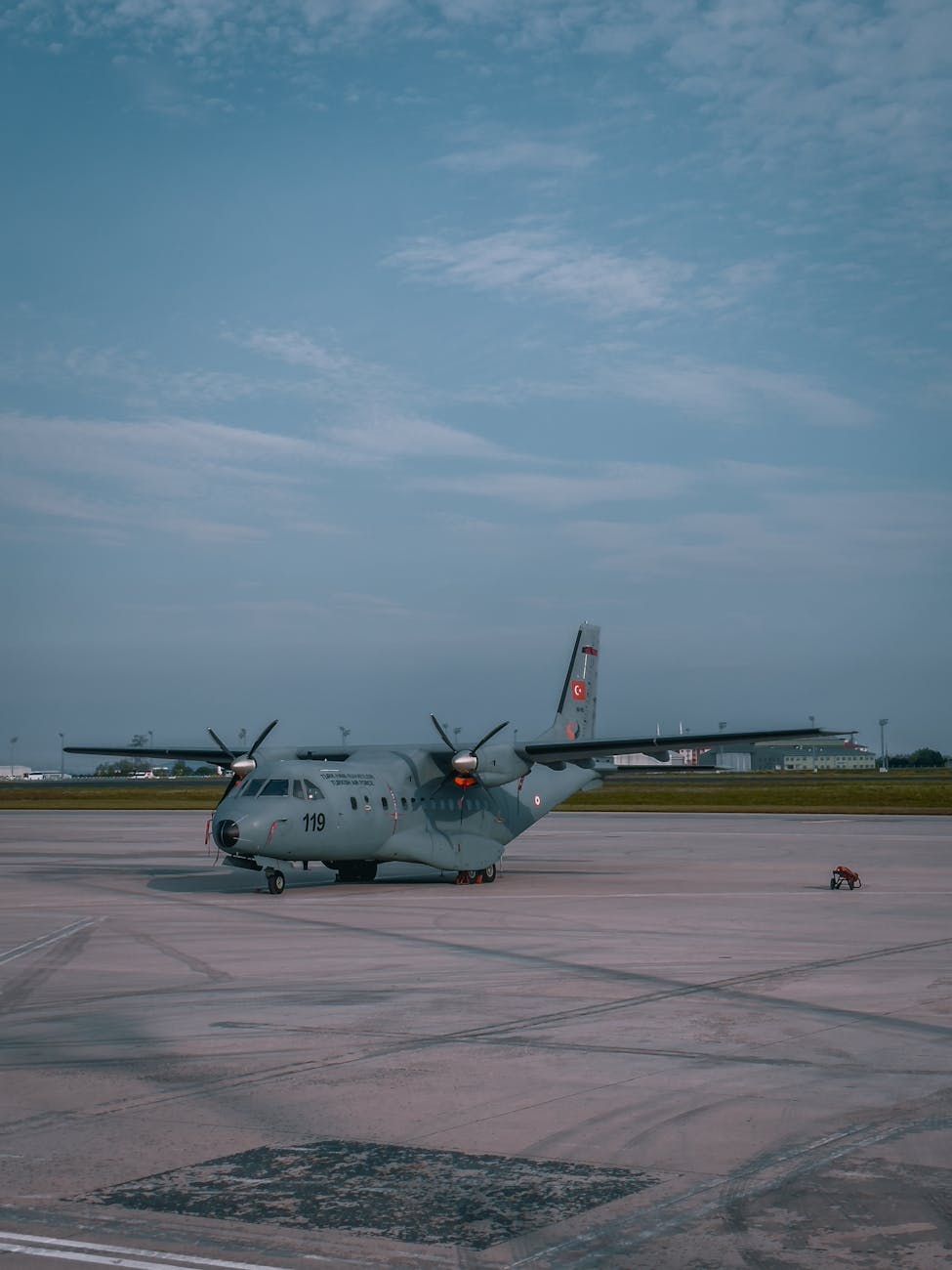
The United States government officially announced a suspension of a $14 billion arms sale to Taiwan in October 2026. This decision stems from the escalating logistical and material demands of the ongoing war in the Middle East. Acting Navy Secretary Hung Cao confirmed the move, stating that naval assets must prioritize immediate operational needs in the Persian Gulf. This shift occurs as President Donald Trump provides conflicting signals regarding the long-term security of the Indo-Pacific region. The US Taiwan arms sale pause marks a significant pivot in American foreign policy and global military distribution.
- Suspension of $14 billion in military hardware including Harpoon missiles.
- Strategic redirection of resources to the Iran-Israel conflict theatre.
- Increased uncertainty regarding the American commitment to Pacific deterrence.
The strategic calculus of the Indo-Pacific has shifted overnight. The roar of engines in the Persian Gulf now silences the delivery of critical defence systems to Taipei. This delay affects sophisticated weapon systems designed to deter a potential cross-strait conflict. Analysts suggest this is the most significant disruption to Taiwan’s defence procurement in decades. The decision highlights the strain on the American industrial base during multi-front global tensions.
How does the Iran conflict affect Pacific security?
The intensifying war with Iran has forced the Department of Defense to re-evaluate its global inventory. Naval forces require immediate replenishment of interceptors and strike munitions. Acting Navy Secretary Hung Cao emphasized that current stockpiles are insufficient for two simultaneous major conflicts. He noted that the U.S. Navy must ensure its fleet in the Middle East remains fully equipped. This prioritization leaves the planned $14 billion package for Taiwan in a state of limbo.
Military logistics experts point to the limited production capacity of key aerospace contractors. Factories producing anti-ship missiles are currently operating at maximum capacity to support active combat zones. Consequently, orders intended for Taiwan are being diverted to active carrier strike groups. This move ensures that American sailors have the necessary ordnance to counter regional threats. However, it leaves a visible gap in the defensive posture of the first island chain.
What specific military assets are being redirected?
The $14 billion package included a variety of asymmetric warfare tools. Most notable were the Harpoon Block II coastal defence systems and HIMARS units. These systems are essential for Taiwan’s “Porcupine Strategy,” which aims to make an invasion prohibitively costly. The pause also affects deliveries of advanced MQ-9B SeaGuardian drones. These platforms are now being utilized for surveillance missions over the Strait of Hormuz instead.
The U.S. Department of State Foreign Military Sales guidelines dictate that national security interests can override existing contracts. In this case, the immediate threat in the Middle East takes precedence. Government officials argue that maintaining global maritime trade routes is a primary American interest. This requires a concentrated naval presence that Taiwan’s current orders cannot support. The redirection of these assets is a pragmatic response to a resource-constrained environment.
“We are facing a period of unprecedented demand on our naval stores. We must prioritize the fight we are in today over the fight we might face tomorrow.” – Acting Navy Secretary Hung Cao
Why is the Trump administration sending mixed signals?
President Donald Trump has expressed both support and skepticism regarding the Taiwan sale. He has frequently questioned the cost-benefit ratio of defending distant allies. At the same time, he maintains a hardline stance against geopolitical rivals. This inconsistency has created confusion among diplomats and military planners in Taipei. Some advisors suggest the pause is a leverage tactic for better trade terms. Others believe it is a genuine reflection of military overextension.
The administration’s “America First” doctrine is being tested by these competing global crises. Supporters of the pause argue that American taxpayers should not fund foreign defences during a war. Critics claim that retreating from the Pacific emboldens regional adversaries and weakens alliances. This internal debate is reflected in the contradictory statements coming from the White House. The lack of a unified message complicates long-term strategic planning for Taiwanese officials.
What are the implications for Taiwan’s Porcupine Strategy?
Taiwan’s defence strategy relies heavily on the timely arrival of American technology. The $14 billion pause forces Taipei to reconsider its domestic manufacturing capabilities. The Ministry of National Defence may now accelerate the production of indigenous missile systems. This shift could lead to greater self-reliance but requires significant time and investment. In the short term, the island remains vulnerable to increased maritime pressure.
Regional allies like Japan and Australia are watching these developments with concern. They fear that a reduced American presence in the Pacific could trigger a regional arms race. If the U.S. cannot fulfill its commitments, these nations may seek independent security arrangements. The ripple effects of this decision extend far beyond the borders of Taiwan. It signals a potential era of American strategic retrenchment from the Indo-Pacific theatre.
The pause on these arms sales underscores the fragility of global supply chains. Military readiness depends on more than just funding and political will. It requires a robust industrial base capable of supporting multiple theatres of operation. As the conflict in the Middle East continues, the pressure on American resources will only grow. Decision-makers must now find a way to balance immediate combat needs with long-term deterrence goals. The outcome of this balance will define the global security landscape for the remainder of the decade.


