
In mid-2026, Brazil has emerged as a critical pillar of global energy security following the disruption of the Strait of Hormuz. As regional conflict involving Iran halts traditional supply routes, Brazil is rapidly increasing crude exports to China and India. This strategic shift ensures that the world’s largest growing economies maintain their industrial momentum despite Middle Eastern volatility. Readers will learn how Brazilian oil exports 2026 are reshaping trade alliances and why South American production is now essential for global market stability.
Key Takeaways
- Brazil’s Pre-salt oil production has reached record levels to fill the void left by Middle Eastern supply disruptions.
- China and India are pivoting toward the Atlantic basin to secure long-term energy contracts.
- The Strait of Hormuz closure has permanently altered global shipping lanes and crude pricing benchmarks.
Why is the Strait of Hormuz crisis driving demand for Brazilian crude?
The Strait of Hormuz is the world’s most sensitive maritime chokepoint for energy. Recent escalations have effectively blocked twenty per cent of the global oil supply. Consequently, refineries in Asia are searching for stable, non-Middle Eastern alternatives to prevent domestic fuel shortages. Brazil offers a reliable solution due to its vast offshore reserves and growing production capacity.
Brazilian oil grades, such as Tupi and Búzios, are highly sought after by modern refineries. These medium-sweet crudes yield high volumes of diesel and gasoline. Because these grades are chemically similar to many Persian Gulf varieties, Asian refiners can process them with minimal technical adjustments. This compatibility makes Brazil the most logical partner during a period of geopolitical crisis.
How are China and India securing their energy futures?
China has significantly increased its investment in Brazilian offshore infrastructure through state-owned enterprises. These firms are now prioritising long-term off-take agreements over volatile spot market purchases. By securing supply directly from the Atlantic, Beijing reduces its reliance on the vulnerable Indian Ocean transit routes. This move strengthens China’s energy sovereignty during a time of global uncertainty.
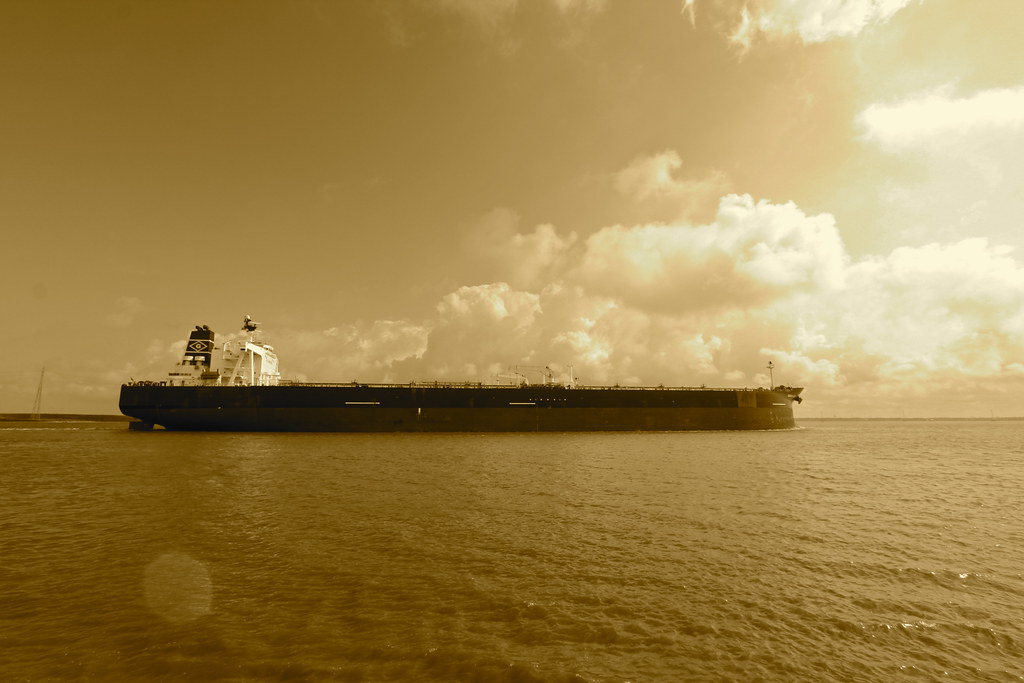
India is following a similar path by diversifying its import basket away from the Middle East. Indian state refiners have increased their intake of Brazilian crude by nearly forty per cent compared to 2024 levels. Logistics companies are now deploying more Very Large Crude Carriers (VLCCs) on the South Atlantic route. This surge in shipping activity highlights a fundamental shift in how energy moves across the globe.
What does the data say about Brazil’s production capacity?
Recent reports indicate that Brazil’s production has surpassed 3.7 million barrels per day. The International Energy Agency has consistently identified Brazil as a primary driver of non-OPEC supply growth. This expansion is the result of years of investment in deep-water technology and exploration. These efforts are now paying off as the world faces a significant supply crunch.
Petrobras has accelerated the deployment of new Floating Production Storage and Offloading (FPSO) units in the Santos Basin. These massive vessels allow for efficient extraction in deep-water environments. Experts suggest that Brazil’s ability to scale production quickly has prevented a total global energy collapse. The country’s commitment to technical excellence has made it a preferred partner for international buyers.
What are the economic implications for the South American giant?
The surge in oil exports is creating a massive trade surplus for the Brazilian economy. This influx of foreign capital supports the national currency and funds critical infrastructure projects. However, the government faces the challenge of managing this wealth while transitioning toward a greener economy. Balancing immediate oil profits with long-term climate goals remains a central political debate in Brasília.
Furthermore, the increased demand is driving up the value of Brazilian energy assets. International investors are pouring capital into local oil field services and logistics firms. This economic boom is creating thousands of high-skilled jobs across the coastal regions. Brazil is no longer just a regional power; it is now a central player in the global energy hierarchy.
How will this shift impact global oil prices and trade?
The pivot to Brazilian oil is altering traditional pricing benchmarks for crude. As more volume flows from the Atlantic to the Pacific, the influence of Brent and WTI is evolving. Traders are now closely watching Brazilian export prices as a primary indicator of market health. This shift decentralises market power away from traditional oil-producing blocs.
Shipping costs are also adjusting to the longer voyages required to reach Asia from South America. While the journey around the Cape of Good Hope is longer, it is currently safer than the Suez Canal or the Persian Gulf. Companies are investing in more fuel-efficient tankers to manage these increased distances. These logistical innovations will likely remain in place even if Middle Eastern tensions eventually subside.
As 2026 progresses, the energy landscape continues to favour producers who offer both volume and stability. Brazil’s rise as a top-tier exporter provides a necessary buffer against regional conflicts. By diversifying their sources, major global economies are building a more resilient energy framework for the future. This transition ensures that global industry can continue to function even when traditional supply lines are compromised.


