
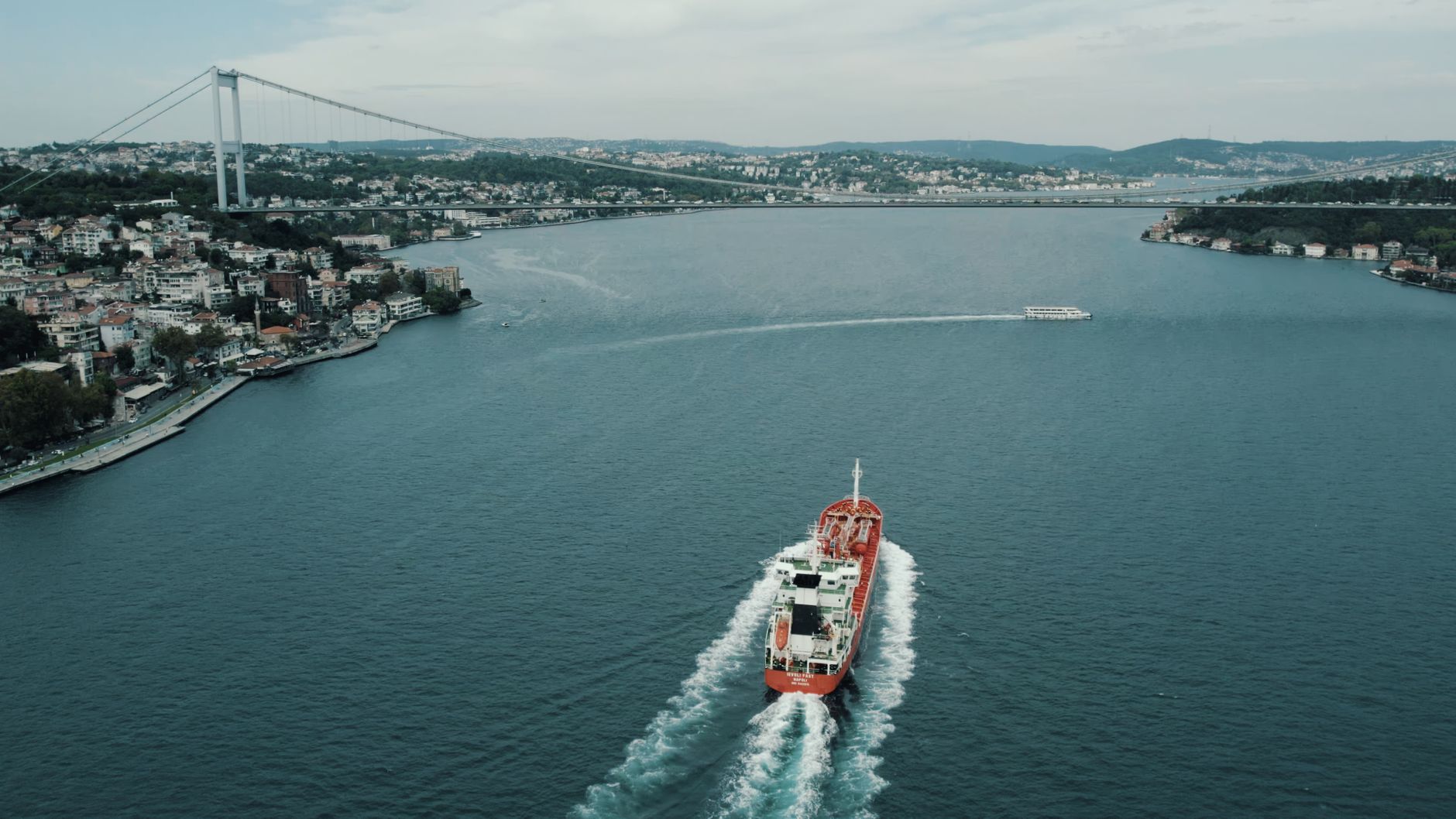
Iran’s ambassador to China recently confirmed plans for new transit fees within the strategically vital Strait of Hormuz. This initiative includes a provision for “special treatment” for countries deemed “friendly” to Iran. The announcement has drawn immediate objections from the United States, raising concerns about international maritime law and global energy security. This article examines the implications of these proposed Strait of Hormuz transit fees on international shipping and geopolitical stability.
- Iran plans to implement new transit fees for vessels passing through the Strait of Hormuz.
- A system of “special treatment” is intended for “friendly” nations, implying differential pricing or exemptions.
- The United States has formally objected, citing potential violations of international maritime conventions.
- This development could significantly impact global oil prices and shipping routes, affecting energy consumers worldwide.
The Strait of Hormuz is a crucial maritime chokepoint. It connects the Persian Gulf to the open ocean, making it indispensable for global energy transport. A significant portion of the world’s seaborne oil and liquefied natural gas (LNG) passes through this narrow waterway daily.
For decades, international law has largely governed navigation through such straits. The recent announcement by Iran’s envoy signals a potential shift in this established framework. This move could redefine access and operational costs for commercial vessels.
What Do New Strait of Hormuz Transit Fees Entail?
Details surrounding the new Strait of Hormuz transit fees remain somewhat fluid. The Iranian envoy indicated that vessels transiting the strait would incur charges. However, the exact tariff structure and implementation timeline have not been fully disclosed.
The concept of “special treatment” for “friendly” countries suggests a tiered system. This could mean reduced fees, expedited passage, or even exemptions for certain nations. Such a policy introduces a layer of political consideration into what is traditionally a matter of international maritime commerce.
Observers suggest these fees could be a new source of revenue for Iran. They might also serve as a diplomatic tool, strengthening ties with specific allies. This strategy, however, risks complicating relations with other global powers and shipping entities.
How Will “Friendly” Nations Be Identified?
The criteria for designating a nation as “friendly” remain undefined. This ambiguity is a key point of concern for international shipping companies and governments. The lack of clear guidelines could lead to arbitrary decisions or political favouritism.
Such a classification system could create an uneven playing field. It might compel some nations to seek closer political alignment with Iran. This could be done to secure favourable shipping conditions for their commercial fleets. Transparency in this process will be critical for maintaining stability.
Without explicit criteria, the system could introduce considerable uncertainty. Maritime insurers and logistics providers are likely to factor this risk into their operations. This could result in higher costs for many global shippers.
What Are the Geopolitical Ramifications?
The United States has consistently upheld the principle of freedom of navigation. This principle applies to international waterways like the Strait of Hormuz. Washington’s objections underscore its commitment to these established norms.
The proposed fees are seen by some as a challenge to these principles. They could potentially violate aspects of the United Nations Convention on the Law of the Sea (UNCLOS). UNCLOS generally grants all ships the right of transit passage through international straits.
This situation could escalate regional tensions. It might also prompt other nations to reassess their maritime policies. The long-term impact on diplomatic relations in the Middle East remains a significant concern.
Impact on Global Energy Markets and Shipping
Any disruption or increased cost in the Strait of Hormuz directly affects global energy markets. Oil and LNG prices could see upward pressure. This would be a direct consequence of new fees or potential transit delays.
Shipping companies might face increased operational expenses. These costs would likely be passed on to consumers. This could manifest as higher prices for fuel, goods, and services that rely on global supply chains.
Furthermore, the uncertainty could lead some shippers to explore alternative, albeit longer and costlier, routes. This would further strain supply chains. It could also increase transit times for essential commodities.
The Canadian economy, deeply integrated into global trade, would not be immune to these shifts. Higher energy costs or supply chain disruptions originating from the Strait of Hormuz could affect various sectors. Businesses and consumers across Canada could experience indirect impacts.
The implementation of these new transit fees represents a significant development for international trade and diplomacy. The global community will closely monitor how Iran proceeds and how other major powers respond. Navigating this complex issue will require careful diplomatic efforts to safeguard global commerce and regional stability.


