
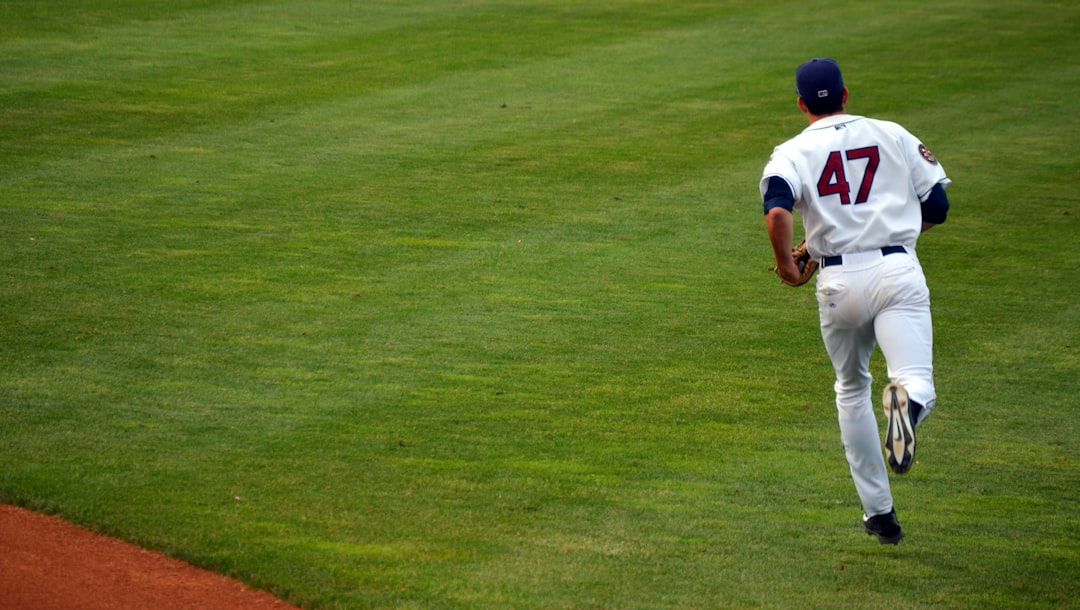
On Monday night at Rogers Centre, Toronto Blue Jays rookie Trey Yesavage suffered a frustrating 8-2 loss against the Miami Marlins after defensive lapses in the outfield erased a dominant pitching performance. Despite holding Miami to only two runs through nearly six innings, teammate Yohendrick Pinango’s hesitation on a shallow fly ball triggered a three-run collapse. This performance highlights the ongoing Toronto Blue Jays defensive struggles that have plagued the team’s consistency throughout the first third of the 2026 season. Readers will learn how these fielding errors impacted Yesavage’s statistical standing and what this means for a rotation currently depleted by injuries.
- Trey Yesavage’s ERA jumped from 1.07 to 2.25 due to five runs allowed in the sixth inning.
- The Blue Jays now hold a 25-29 record, mirroring their sluggish start from the previous season.
- Nathan Lukes provided a bright spot in his return from the injured list, going 3-for-4.
- The pitching rotation faces further pressure following Dylan Cease’s move to the 15-day IL.
How did defensive miscommunication derail Trey Yesavage’s start?
Trey Yesavage entered the game as a beacon of hope for a Toronto squad searching for stability. The 2024 first-round pick commanded the zone early, silencing the Marlins’ bats in front of a sellout crowd of 41,137 fans. However, the game shifted dramatically in the sixth inning when Kyle Stowers hit a blooping ball toward left field. Left-fielder Yohendrick Pinango hesitated while tracking the ball, seemingly distracted by shortstop Andres Gimenez’s pursuit.
The ball eventually struck Pinango’s leg, allowing Canadian Liam Hicks to cross the plate for Miami’s third run. This lack of communication turned an easy out into a scoring opportunity. Shortly after, Javier Sanoja hit a deep shot that Pinango misjudged, resulting in two more runs. These plays were not officially ruled as errors, which significantly impacted the pitcher’s record.
Under the official MLB scoring guidelines, runs are considered earned if the official scorer determines they would have scored without the benefit of an error. Because Pinango’s plays were ruled as hits rather than errors, Yesavage was forced to shoulder the statistical burden. His ERA more than doubled in a single evening, moving from a stellar 1.07 to a more pedestrian 2.25.
What is the current state of the Blue Jays pitching rotation?
The timing of this defensive breakdown is particularly costly for Toronto. The team recently placed ace Dylan Cease on the injured list, joining several other key arms in the treatment room. This vacancy forced the emergency call-up of 30-year-old reliever Tanner Andrews, who made his Major League debut after 11 years in the minor leagues. Andrews provided a rare highlight by pitching a perfect ninth inning.
Manager John Schneider emphasized the importance of Yesavage’s role during this stretch. Schneider noted that the rookie has shown remarkable maturity in handling the increased workload. “Trey’s pretty savvy for a young guy and understood the natural buildup of the season,” Schneider stated during the post-game press conference. He praised the rookie’s resilience despite the chaotic nature of the sixth inning.
“He’s been really damn good. It’s his first full year in the big leagues, so the adjustment part of it is part of the process.”
— John Schneider, Blue Jays Manager
Can the return of Nathan Lukes fix the lineup’s inconsistency?
While the defence struggled, the offence saw a welcome boost from Nathan Lukes. Returning from a 28-day stint on the injured list due to a hamstring strain, Lukes immediately impacted the game. He recorded singles in each of his first three at-bats while batting in the number two spot. This performance suggests that the top of the order may find more rhythm as the season progresses.
Lukes also showed his toughness in the eighth inning. He remained in the game after taking a pitch to the helmet from Marlins reliever Andrew Nardi. His presence is vital because the team recently sent down Davis Schneider to make room for his return. The front office is clearly searching for a combination that balances offensive production with reliable outfield defence.
What are the long-term implications for the 2026 season?
Toronto’s current record of 25-29 is almost identical to their position at the one-third mark in 2025. This trend suggests a team that is capable of competing but lacks the defensive polish required to win close games. The Marlins’ victory was aided by strong performances from their own Canadian contingent, including Owen Caissie and Liam Hicks. This highlights the growing depth of Canadian talent across the league, even when it comes at the expense of the home team.
The coaching staff must address the communication issues between the infield and outfield immediately. If Yohendrick Pinango remains a fixture in left field, his defensive fundamentals must improve to protect the young pitching staff. Yesavage’s 98-pitch outing was the deepest of his career, proving he has the stamina to lead. However, no amount of pitching talent can overcome a defence that fails to secure routine outs.
As the Blue Jays move toward the mid-season mark, the focus will remain on health and fundamental execution. With Yesavage showing he can handle high-pressure situations, the team must provide the defensive support necessary to turn quality starts into wins. Tightening up the play in the outfield will be the primary factor in determining if Toronto can climb back into the playoff race before the summer trade deadline.


