
On June 15, 2026, United States military forces launched targeted strikes against strategic positions in southern Iran near the Strait of Hormuz. This escalation occurs on the 88th day of the ongoing regional war, even as an Iranian delegation engages in high-stakes negotiations in Doha, Qatar. Readers will learn about the strategic objectives of these strikes and the current status of diplomatic efforts to resolve the Strait of Hormuz conflict 2026. The dual-track approach of military pressure and diplomatic engagement marks a pivotal moment in the three-month-old crisis.
- U.S. forces targeted military infrastructure in southern Iran to secure maritime corridors.
- Diplomatic delegations in Qatar are discussing a framework for a temporary ceasefire.
- Global energy markets remain volatile as the conflict impacts the world’s most vital oil chokepoint.
What led to the Day 88 escalation in southern Iran?
The conflict reached a new intensity after eighty-eight days of persistent maritime friction and localized skirmishes. U.S. Central Command confirmed that the latest strikes targeted radar installations and drone launch sites near the coast. These facilities allegedly posed a direct threat to international shipping lanes. Military officials stated the actions were necessary to maintain freedom of navigation in the region.
The Iranian government has condemned the strikes as a violation of sovereignty. However, Tehran simultaneously maintained its presence at the negotiating table in Doha. This suggests a complex internal dynamic within the Iranian leadership. Observers note that the southern coastal region is essential for Iran’s defensive posture. Any sustained damage to these assets could shift the regional balance of power significantly.
How are the Qatar negotiations progressing amidst the strikes?
While missiles impacted targets in the south, diplomats in Qatar worked to find common ground. The Qatari government is acting as a primary mediator between the Iranian delegation and Western powers. Reports from Doha indicate that the talks are focusing on a phased withdrawal of naval forces. Both sides have expressed a desire to avoid a total regional conflagration.
Transitional phases for a ceasefire are currently under review by technical experts. The presence of high-level Iranian officials suggests that Tehran is taking the Doha track seriously. However, the ongoing military action creates a tense backdrop for these discussions. Mediators are working to ensure that the strikes do not derail the progress made over the last week. Trust remains low, but the economic cost of the war is driving both parties toward a resolution.
What is the impact on global energy security?
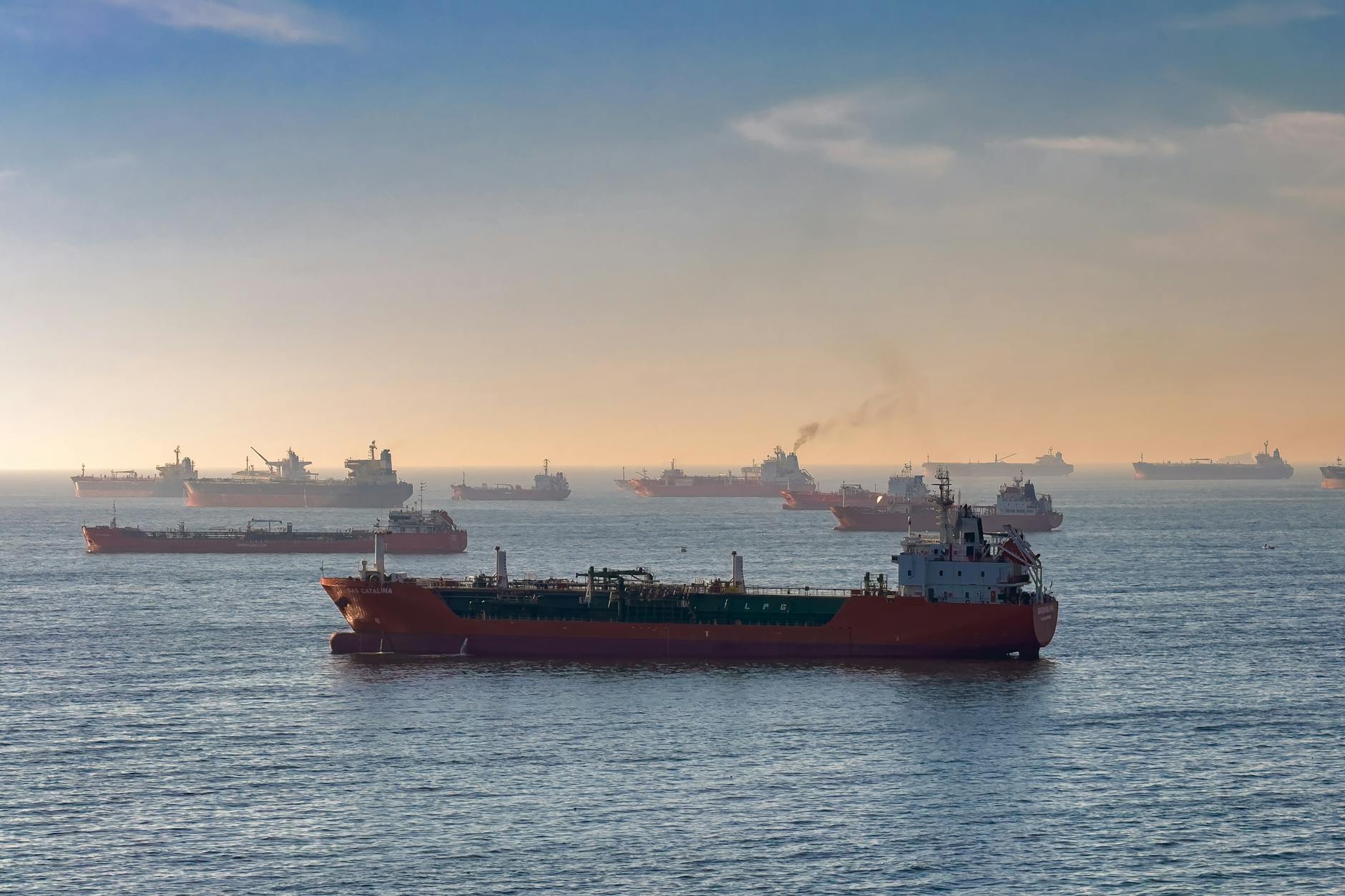
The Strait of Hormuz is the world’s most important oil transit chokepoint. Approximately one-fifth of the world’s total oil consumption passes through this narrow waterway daily. The recent strikes have caused a sharp increase in maritime insurance premiums for tankers. Shipping companies are now rerouting vessels or seeking additional security escorts.
Energy analysts warn that prolonged instability could lead to a global supply crunch. According to the International Energy Agency analysis of oil market security, supply disruptions in this region have immediate effects on global pricing. Canada and other energy-exporting nations are monitoring the situation closely. The volatility highlights the fragility of global supply chains during periods of intense geopolitical friction.
“The intersection of military strikes and diplomatic talks creates a volatile environment where one miscalculation could lead to total war.” – Dr. Aris Thorne, Strategic Analyst.
What are the immediate implications for regional stability?
The coming days will determine if the Qatar talks can produce a meaningful breakthrough. If the strikes successfully degrade the threat to shipping, the U.S. may pause further operations. This would provide the necessary space for diplomats to finalize a ceasefire agreement. Conversely, a retaliatory strike from Iran could collapse the negotiations entirely.
Regional neighbours, including Saudi Arabia and the UAE, are calling for immediate restraint. They fear that the conflict could spill over into their territorial waters. The international community is providing logistical support for the mediation efforts in Doha. Every hour of peace in the Strait is vital for the global economy. The dual pressure of military force and economic sanctions continues to shape the negotiation landscape.
Maintaining a balance between defense and diplomacy is the current priority for the international coalition. Success in Qatar would provide a blueprint for resolving future maritime disputes through structured mediation. Stakeholders must remain vigilant as the situation on the ground evolves rapidly. Monitoring official military briefings and diplomatic statements will be essential for understanding the next phase of this crisis.


