
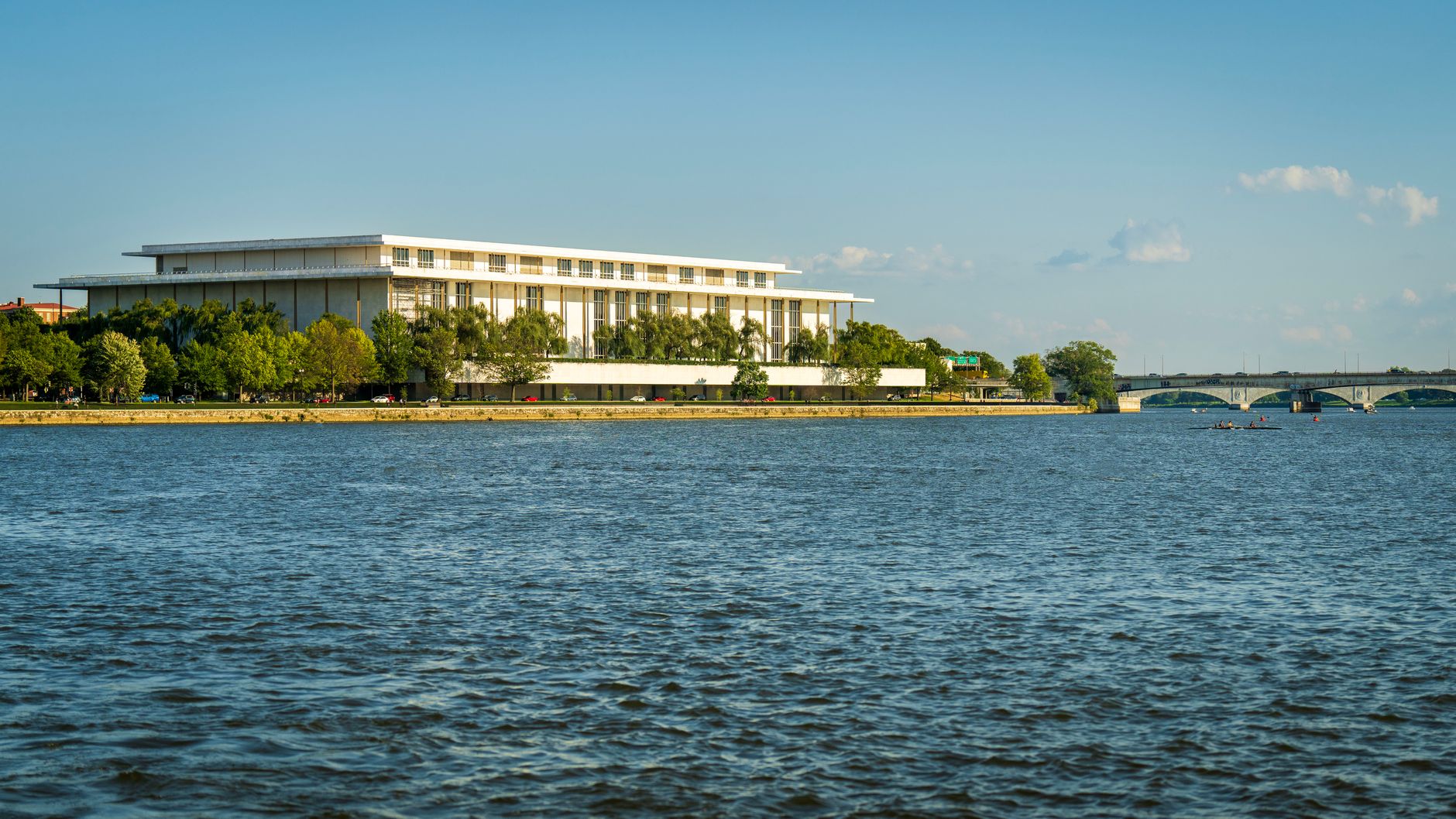
On Friday, May 29, 2026, a U.S. District Court judge issued a decisive ruling against the recent rebranding of the John F. Kennedy Center for the Performing Arts. The court declared that the board’s decision to add Donald Trump’s name to the facility was illegal and must be reversed immediately. This landmark Kennedy Center name removal ruling mandates that all physical and digital signage bearing the former president’s name be stripped from the Washington, D.C. landmark within thirty days to restore its original designation.
Readers will learn about the legal grounds for this reversal, the specific statutory violations identified by the court, and the timeline for restoring the venue’s historic identity. This case represents a significant junction between administrative law and the preservation of national cultural heritage.
- A federal judge ruled that the renaming of the Kennedy Center was a violation of the institution’s founding charter.
- The court ordered the immediate removal of Donald Trump’s name from all building facades and promotional materials.
- The decision reinforces the protected status of national memorials against unilateral board changes.
What led to the illegal renaming of the Kennedy Center?
The controversy began in late 2025 when a newly appointed board of trustees voted to expand the facility’s official title. The board argued that the addition of the 45th president’s name would honour his administration’s contributions to the arts. However, this move immediately drew fire from preservationists and the Kennedy family, who argued the change diluted the centre’s purpose as a living memorial to John F. Kennedy.
The legal challenge was spearheaded by a coalition of arts advocates and descendants of the original donors. They contended that the board exceeded its authority by altering a name established by an Act of Congress. Under the 1964 legislation, the facility was designated specifically as a national memorial, a status that requires legislative approval for any significant modification.
During the proceedings, internal documents revealed that the board had bypassed several procedural requirements. These included failing to hold public hearings and neglecting to consult with the National Park Service, which maintains a secondary oversight role for the site. The judge noted that these shortcuts were not merely administrative errors but represented a fundamental breach of the board’s fiduciary duty to the public.
How did the court justify the name removal ruling?
Judge Elena Rodriguez, presiding over the case, focused her judgment on the original statutory provisions of the John F. Kennedy Center Act. She ruled that the board did not possess the unilateral power to rename a federal memorial. The court found that the 1964 Act specifically dedicated the centre to the memory of the 35th president, leaving no room for secondary branding without a new congressional mandate.
Rodriguez emphasized that the Kennedy Center is not a private institution but a federally funded entity with a specific mission. “The board acts as a steward, not an owner,” the judge wrote in her 45-page opinion. “To allow a rotating board to append names to a national memorial at will would set a precedent that threatens the integrity of every historic site in the capital.”
The court also addressed the financial arguments presented by the defence. The board had claimed that the renaming was part of a fundraising strategy to secure private endowments. However, the court ruled that financial expediency does not grant the authority to bypass federal law. The judge ordered that any funds collected under the premise of the renaming must be held in escrow pending further review.
What are the legal implications for federal institutions?
Legal analysts suggest this ruling will have a chilling effect on the commercialisation of public landmarks. By strictly interpreting the founding charter, the court has established a high bar for any future naming rights agreements involving federal property. This ensures that national memorials remain focused on their original intent rather than becoming subjects of political or corporate branding.
Data from the National Endowment for the Arts indicates that public trust in cultural institutions is closely tied to their perceived independence. Experts believe this ruling helps maintain that trust by insulating national treasures from shifting political winds. It clarifies that while boards can manage operations, they cannot rewrite the legislative history of the buildings they oversee.
Furthermore, the ruling provides a clear framework for other national centres. It highlights the necessity of adhering to the Administrative Procedure Act whenever significant changes are proposed to public-facing entities. This creates a more transparent process for future governance, ensuring that the public has a voice in how their national heritage is represented.
When will the signage be removed?
The court has set a strict thirty-day deadline for the physical removal of the Trump name. This includes the prominent gold lettering installed above the Grand Foyer and the various plaques placed throughout the North Gallery. Estimates suggest the removal process will cost approximately $450,000, a sum the board must cover through its operating budget rather than federal grants.
Logistical teams are expected to begin work as early as next week. The process involves not only the physical removal of letters but also the restoration of the original Carrara marble facade. Preservation experts will oversee the work to ensure that the building’s architecture remains unblemished during the transition back to its 1964 appearance.
Stakeholders in the D.C. arts community have expressed relief at the timeline. Many believe that a swift restoration will allow the centre to refocus on its upcoming 2027 performance season without the distraction of ongoing litigation. The ruling effectively closes a chapter of administrative overreach and reaffirms the centre’s role as a dedicated tribute to the Kennedy legacy.
As the Kennedy Center prepares to strip the contested signage, the focus shifts back to its core mission of fostering world-class performance and education. This ruling serves as a vital reminder that national memorials are held in trust for all citizens, governed by laws that transcend the preferences of any single board or administration. Moving forward, the institution remains a symbol of cultural excellence, protected by the very statutes that brought it into existence over sixty years ago.


