
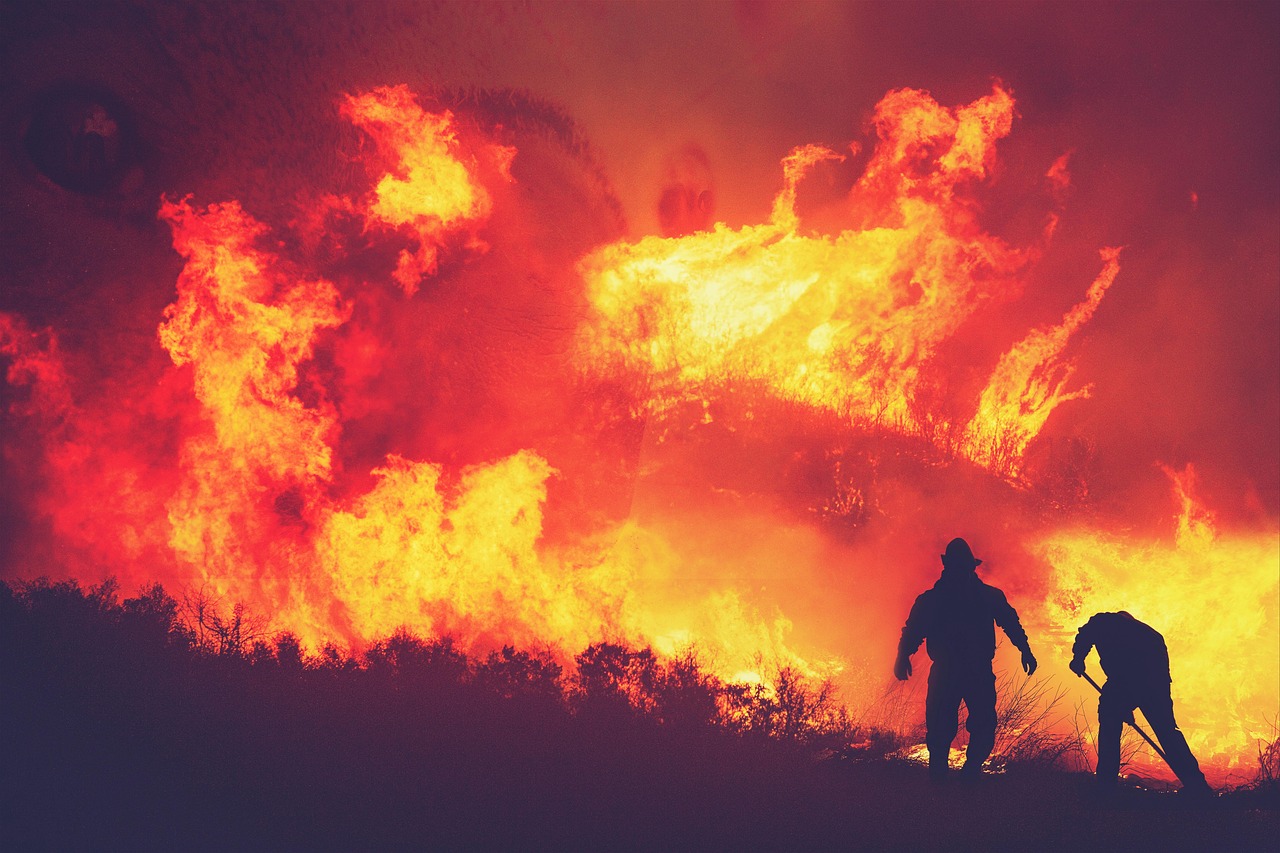
Residents of Macdowall, Saskatchewan, are under an emergency evacuation alert as of July 14, 2026, following a lightning strike that ignited an out-of-control wildfire in a nearby provincial park. The fire is spreading rapidly due to high winds and tinder-dry conditions, prompting the Saskatchewan Public Safety Agency (SPSA) to deploy heavy water bombers and ground crews. This article explores the current emergency response, the risks posed to the Macdowall community, and the broader trend of lightning-induced fires in the province.
- An out-of-control wildfire near Macdowall has triggered immediate evacuation alerts for local residents.
- The blaze originated from a lightning strike within a provincial park during a recent dry storm cycle.
- Saskatchewan emergency services are prioritizing structure protection as the fire perimeter expands.
The situation in central Saskatchewan escalated late Tuesday evening when a series of dry lightning strikes hit the boreal transition zone. Macdowall, located approximately 30 kilometres southwest of Prince Albert, now sits directly in the path of the smoke plume. Local authorities issued the alert after the fire breached initial containment lines established by local volunteer fire departments. Emergency responders are currently monitoring wind shifts that could push the flames toward residential properties and agricultural infrastructure.
How is the Macdowall wildfire impacting local safety?
The evacuation alert serves as a formal notice that residents must be ready to leave their homes on short notice. Local officials have instructed families to pack essential items, including medications, legal documents, and emergency kits. The Macdowall area is characterized by dense stands of jack pine and spruce, which provide volatile fuel for the advancing flames. This vegetation, combined with a prolonged heatwave, has created a high-intensity fire environment that challenges traditional suppression methods.
Saskatchewan Public Safety Agency officials confirmed that the fire is currently uncontained. “We are seeing extreme fire behaviour that makes direct ground attacks dangerous for our crews,” stated a provincial fire duty officer during a morning briefing. Consequently, the strategy has shifted to aerial bombardment and the creation of strategic firebreaks. Residents can monitor the latest updates and fire boundaries through the Saskatchewan Wildfire Reports portal to ensure they have the most current safety information.
Why is lightning becoming a primary driver of Saskatchewan wildfires?
Data from the 2026 fire season indicates a significant rise in lightning-caused ignitions compared to human-caused fires. While human activity often sparks fires near highways, lightning strikes frequently occur in remote or densely forested areas where detection is delayed. In the case of the Macdowall fire, the strike occurred in a section of the provincial park with limited road access. This delay allowed the fire to establish a robust thermal core before crews could arrive on the scene.
Meteorologists note that the 2026 summer season has been defined by “dry lightning” events. These occur when thunderstorms produce lightning but little to no precipitation reaches the ground. When these bolts strike dry organic matter on the forest floor, they can smoulder for hours—a phenomenon known as a “holdover fire”—before erupting into a full-scale blaze when winds pick up. The Macdowall incident is a textbook example of how a single atmospheric discharge can threaten an entire municipality within hours.
“The speed at which these lightning-sparked fires transition from a single tree to a landscape-scale event is accelerating due to decreased fuel moisture levels across the Prairies.” – SPSA Wildfire Management Specialist.
What are the immediate priorities for emergency responders?
The tactical priority for the SPSA and local Macdowall responders is structure protection. Crews are currently triaging properties, removing flammable debris from perimeters, and setting up high-capacity sprinkler systems. These “wet lines” help create a humid microclimate around homes, reducing the likelihood of ember ignitions. Meanwhile, heavy equipment operators are clearing wide swaths of forest to create fuel-free zones between the park boundary and the town centre.
Air tankers are currently scooping water from nearby lakes to drop retardant and water on the fire’s head. These aerial assets are critical in slowing the rate of spread, allowing ground crews to work on the flanks of the fire. However, heavy smoke has occasionally grounded aircraft, demonstrating the volatile nature of the 2026 fire season. Coordination between provincial and municipal resources remains seamless, with a temporary command post established just outside the alert zone.
How can residents prepare for increasing wildfire risks?
The Macdowall emergency highlights the ongoing importance of community preparedness in rural Saskatchewan. The FireSmart Canada program has gained significant traction in the province, encouraging homeowners to use fire-resistant roofing and maintain a 10-metre cleared zone around structures. Statistics show that homes with FireSmart mitigations are significantly more likely to survive a wildfire pass than those without. For Macdowall residents, these proactive measures are now being put to the ultimate test as the blaze nears.
Community members are also encouraged to register for provincial emergency alerts on their mobile devices. Rapid communication is the most effective tool for preventing casualties during fast-moving wildfire events. As the climate continues to produce more frequent and intense storm cells, the reliance on real-time data and local vigilance will only grow. The current situation in Macdowall serves as a stark reminder that even well-prepared communities must remain adaptable to the unpredictable nature of lightning-driven disasters.
Staying informed and maintaining a state of readiness are the most effective ways to navigate the current wildfire emergency. As crews continue to battle the blaze near Macdowall, the focus remains on protecting lives and preserving the integrity of the community. Residents should continue to follow all directions from local law enforcement and emergency services to ensure a safe and orderly response to the evolving threat.


