
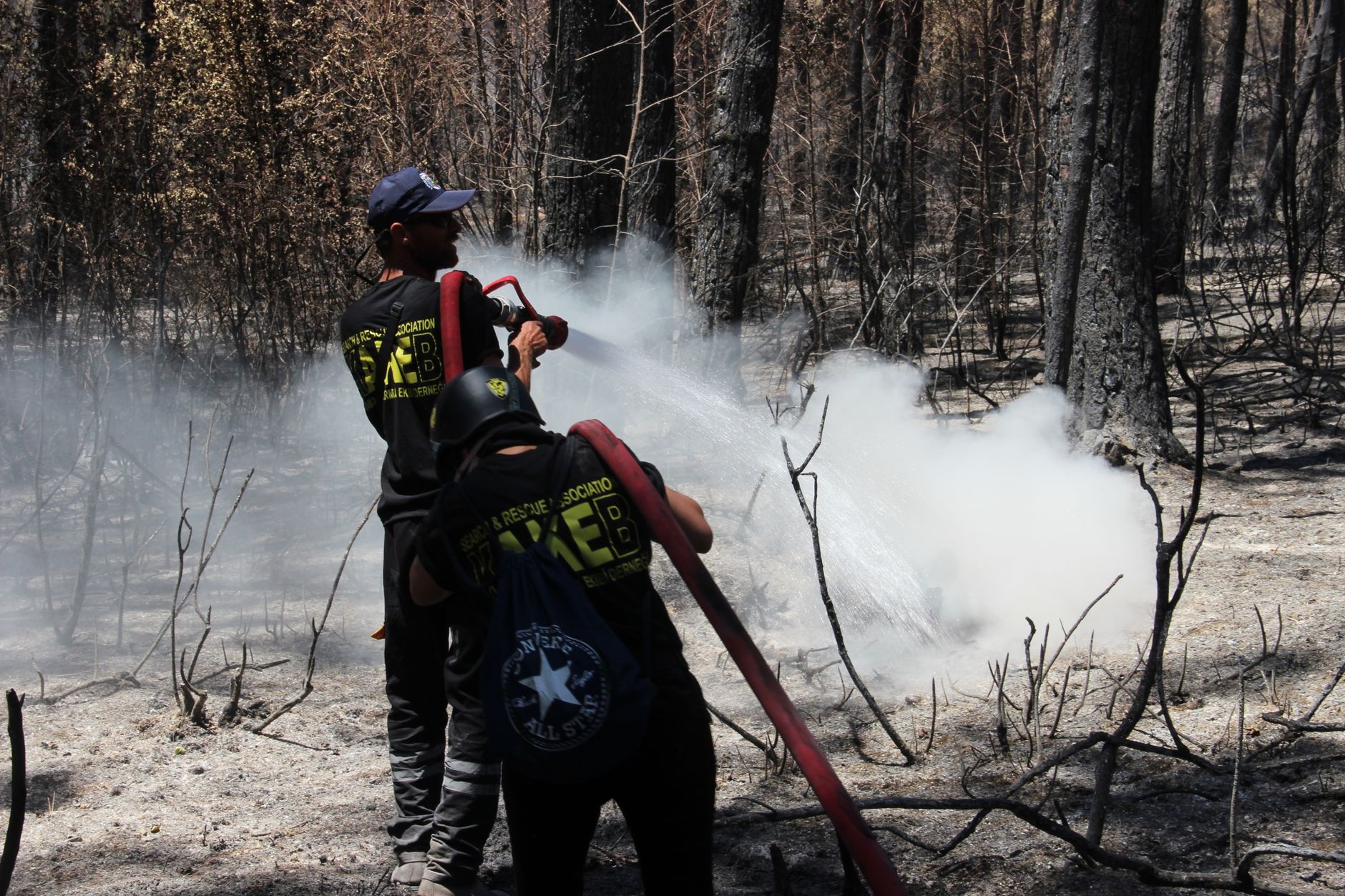
The Saskatchewan government and the Saskatchewan Public Safety Agency (SPSA) are overhauling emergency response protocols this January 2026 following a critical evaluation of the previous year’s wildfire season. An independent report, recently released to the public, identifies “significant gaps” in provincial readiness and resource deployment during the record-breaking blazes of 2025. This document, which the opposition has described as a damning indictment of current systems, outlines 11 specific recommendations to safeguard northern communities and natural resources as the 2026 fire season nears.
In this article, you will learn about the specific failures identified in the 2025 response, the 11 strategic recommendations for 2026, and how the SPSA plans to integrate local expertise into future wildfire management strategies. Understanding these shifts is essential for residents in high-risk zones and industry stakeholders operating within the provincial boreal forest.
- The 2025 report identifies 11 core recommendations to fix communication and resource deployment failures.
- A new emphasis is being placed on integrating Indigenous-led fire suppression and local knowledge.
- Strategic budget reallocations for 2026 will prioritize rapid-response aerial support and modernized mapping technology.
How did the 2025 wildfire season expose provincial vulnerabilities?
The 2025 wildfire season was one of the most volatile in Saskatchewan’s history, stretching the SPSA’s resources to a breaking point. High temperatures and prolonged drought conditions created a tinderbox environment that led to multiple concurrent large-scale evacuations. The recent report suggests that while the intensity of the fires was unprecedented, the provincial response suffered from systemic logistical delays.
One of the primary gaps identified was the lag time between fire detection and the deployment of Type 1 initial attack crews. In several instances, fires that could have been contained at a few hectares grew into massive complexes because resources were staged too far from high-risk zones. This delay necessitated more expensive and less effective late-stage suppression efforts.
Furthermore, the report highlights a breakdown in communication between the provincial command centre and local municipal leaders. Many northern mayors reported feeling “left in the dark” regarding evacuation timelines and smoke toxicity levels. This lack of transparency eroded public trust and complicated the logistics of moving vulnerable populations to safety.
What are the 11 recommendations for SPSA reform?
The report provides a roadmap for structural change, focusing on decentralizing command structures and upgrading aging infrastructure. A major recommendation involves the permanent relocation of equipment caches closer to northern settlements. By pre-positioning pumps, hoses, and heavy machinery, the SPSA can reduce response times by an estimated 30%.
Another critical recommendation addresses the recruitment and retention of seasonal firefighters. The 2025 season saw a shortage of experienced crew leaders, forcing the province to rely heavily on out-of-province aid. The 2026 plan suggests a revised pay scale and year-round training programs to build a more robust, home-grown workforce. This approach aims to ensure that those fighting the fires have intimate knowledge of the local geography.
According to data from Natural Resources Canada, the frequency of high-intensity crown fires is expected to rise across the boreal forest due to shifting climate patterns. Consequently, the report insists on the immediate adoption of AI-driven predictive modeling. This technology will allow the SPSA to simulate fire spread with higher accuracy, accounting for real-time wind shifts and fuel moisture content.
Why is local and Indigenous partnership vital for 2026?
Perhaps the most significant shift in the 2026 strategy is the formal integration of Indigenous fire crews and traditional ecological knowledge. For years, northern leaders have advocated for a return to community-based fire management. The report acknowledges that local residents often possess a superior understanding of the land and can provide invaluable assistance in early detection and containment.
The provincial government has committed to funding new “First Nations Emergency Response Hubs.” These hubs will be managed by local authorities but supported by SPSA training and equipment. This move is designed to empower communities to take immediate action before provincial assets arrive on the scene. It also addresses the long-standing criticism that the province was too slow to authorize local volunteers during the 2025 crisis.
Experts suggest that this collaborative model will not only improve safety but also foster a more resilient northern economy. By investing in local capacity, the province reduces its reliance on expensive air tankers and international contractors. This shift represents a move toward a more sustainable and culturally respectful approach to land management.
Improving infrastructure and aerial support
Beyond personnel, the report calls for a significant upgrade to Saskatchewan’s aging fleet of aerial tankers. Several aircraft faced maintenance issues during the peak of the 2025 season, leading to critical gaps in water bombing coverage. The 2026 budget is expected to include provisions for leasing newer, high-capacity amphibious planes that can reload from smaller northern lakes.
Additionally, the SPSA will implement a new digital dashboard for public use. This tool will provide real-time updates on fire perimeters, air quality index ratings, and road closures. By providing a single source of truth, the government hopes to eliminate the misinformation that often spreads on social media during emergency events.
The implementation of these 11 recommendations will be monitored by an oversight committee to ensure the “significant gaps” of 2025 are closed. As the province prepares for a potentially dry spring, the focus remains on proactive prevention rather than reactive crisis management. Residents are encouraged to participate in local FireSmart programs to reduce fuel loads around their properties and stay informed through official provincial channels.


