
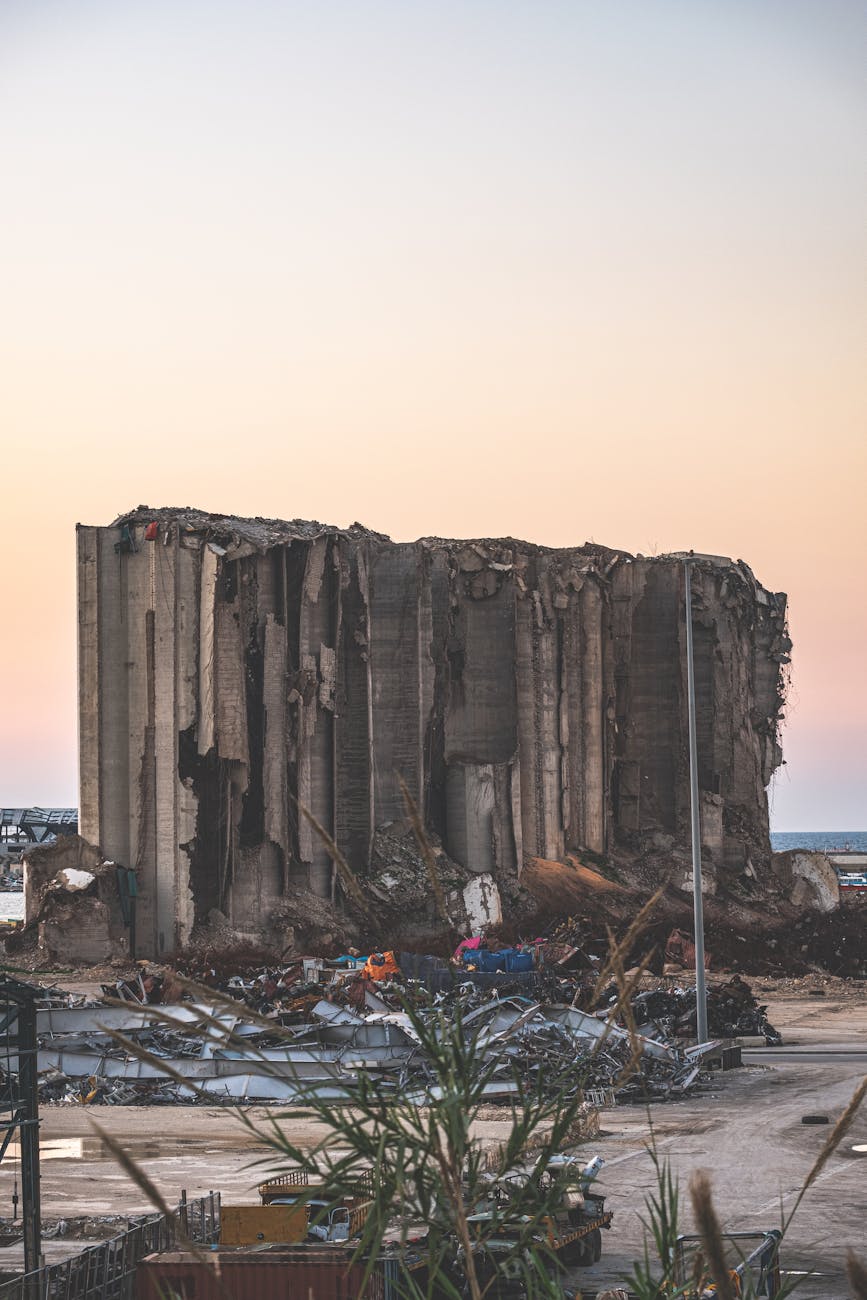
In early 2026, the historic coastal city of Tyre, Lebanon, sustained massive structural damage following a series of intensive Israeli airstrikes. These military operations targeted several urban districts, resulting in the widespread destruction of residential blocks and essential infrastructure. The escalation occurred during a period of heightened regional tension, forcing tens of thousands of civilians to flee toward northern provinces. This report examines the immediate consequences of the 2026 Tyre Lebanon airstrikes, including the humanitarian crisis, the threat to ancient heritage sites, and the broader geopolitical implications for the Mediterranean region.
- Extensive damage reported across Tyre’s residential and commercial sectors.
- Mass displacement of over 150,000 residents from the southern governorates.
- Heightened risk to UNESCO World Heritage archaeological sites within the city limits.
The city of Tyre, a UNESCO World Heritage site with history spanning millennia, now faces its most significant crisis in decades. Recent footage from southern Lebanon reveals a landscape of pulverized concrete and charred vehicles. Emergency crews continue to search through the rubble for survivors amidst ongoing security concerns. The strikes have disrupted power grids, water supplies, and medical facilities, leaving the remaining population in a state of extreme vulnerability.
How did the 2026 Tyre airstrikes affect the local population?
The primary impact of the aerial campaign is a staggering displacement of civilians. Families abandoned their homes with little notice as the intensity of the bombardment increased. Local authorities report that the influx of internally displaced persons (IDPs) has overwhelmed temporary shelters in Sidon and Beirut. Many residents now lack access to clean water and basic sanitation services.
The United Nations Office for the Coordination of Humanitarian Affairs has raised alarms regarding the rapid depletion of food supplies. Humanitarian corridors remain precarious due to the continued threat of strikes on major transport routes. Relief agencies are struggling to provide medical aid to the hundreds of injured civilians arriving at under-resourced hospitals. The psychological toll on the population is immense, as the destruction of familiar landmarks erases the social fabric of the city.
What is the scale of the damage to Tyre’s infrastructure?
Engineers and local officials describe the damage to Tyre’s modern infrastructure as catastrophic. Multiple high-rise apartment buildings in the city centre have collapsed entirely. The strikes also hit key telecommunications hubs, severing communication lines for several days. This digital blackout hindered rescue operations and prevented families from locating missing relatives.
The port of Tyre, a vital economic artery for southern Lebanon, has also sustained significant hits. Fishing vessels and commercial docks were destroyed, halting the local economy and cutting off a primary source of protein for the region. Experts suggest that the cost of rebuilding the city’s basic utilities will reach billions of dollars. The recovery process will likely take years, if not decades, to complete.
Why is the preservation of Tyre’s heritage sites a global concern?
Tyre houses some of the most important Phoenician and Roman ruins in the world. Archaeologists are currently assessing the impact of shockwaves on the Al-Bass archaeological site and the Roman hippodrome. While the strikes targeted modern structures, the proximity of explosions to these ancient monuments poses a severe risk of structural failure. Dust and debris have already coated many of the ornate mosaics and columns.
International cultural organizations are calling for an immediate cessation of hostilities near protected zones. The loss of these sites would be a blow to global human history. Preservationists fear that vibration damage from heavy munitions could lead to the collapse of fragile stone arches. These sites are not only historical treasures but also the foundation of Lebanon’s future tourism potential.
What are the geopolitical implications of the 2026 escalation?
The strikes on Tyre represent a significant expansion of the conflict zone in 2026. Regional analysts suggest that the targeting of such a major urban hub indicates a shift in military strategy. This escalation has drawn sharp condemnation from international bodies and neighbouring states. The risk of the conflict spilling over into a wider regional war remains high as diplomatic efforts struggle to gain traction.
Global energy markets have reacted to the instability with increased volatility. The Mediterranean shipping lanes near Lebanon are now considered high-risk areas, affecting trade routes between Europe and Asia. Security experts monitor the situation closely, as the involvement of multiple regional actors complicates the path to a ceasefire. The international community faces pressure to mediate a solution before the humanitarian situation deteriorates further.
Expert perspectives on the recovery and reconstruction
Urban planning experts emphasize that reconstruction cannot begin without a stable security environment. They advocate for a coordinated international response to fund the rebuilding of schools and hospitals. Data from previous conflicts suggests that without rapid intervention, long-term displacement becomes permanent. This leads to the erosion of the city’s demographic diversity and economic vitality.
The 2026 events in Tyre serve as a grim reminder of the fragility of urban centres in modern warfare. The immediate priority remains the provision of life-saving aid and the establishment of safe zones for civilians. As the world watches the smoke rise over the Mediterranean, the focus remains on preventing further loss of life and preserving what remains of this ancient city. Sustainable peace will require addressing the underlying causes of the conflict while ensuring the dignity of those who have lost their homes and livelihoods.


