
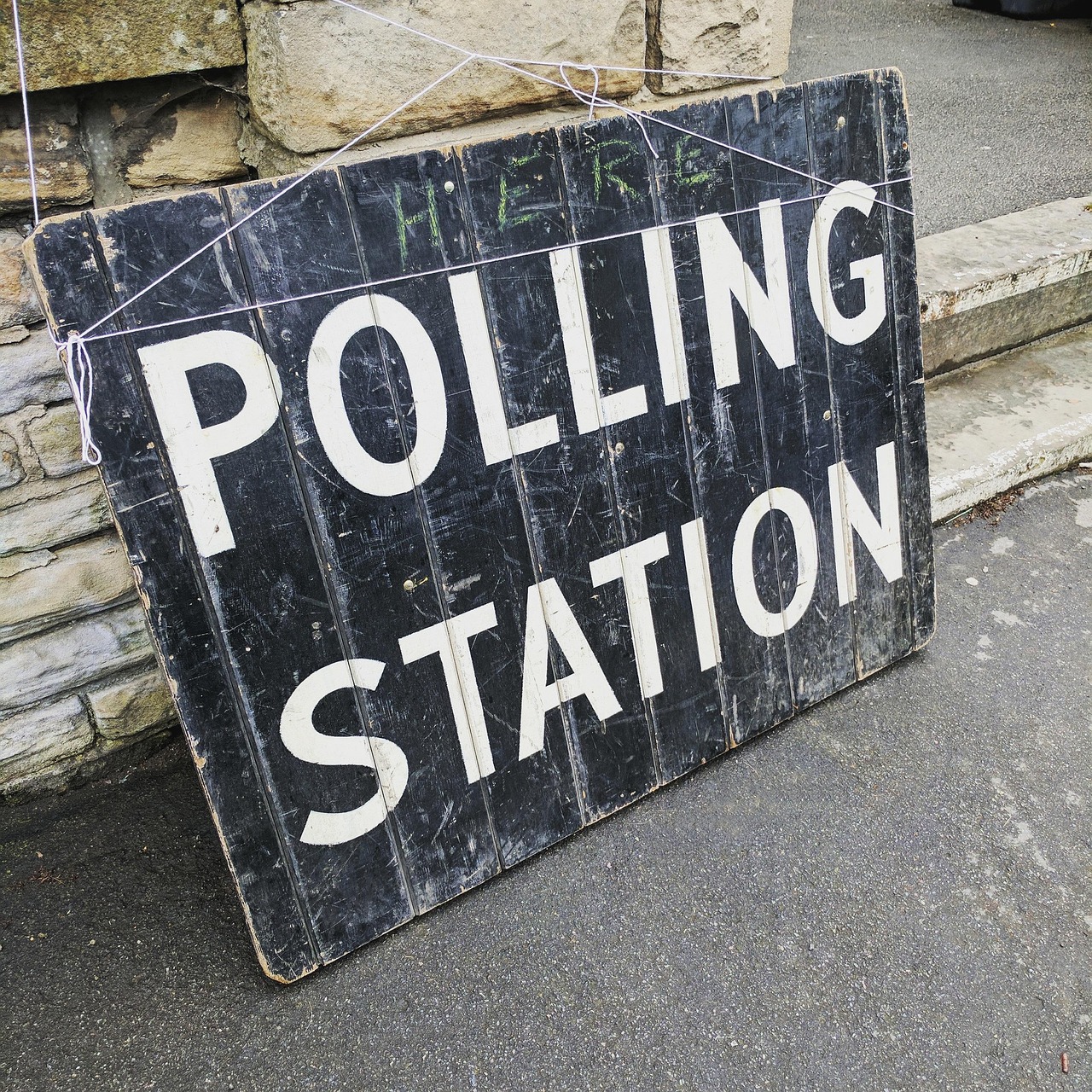
Colombia faces a historic political crossroads as far-right outsider Abelardo de la Espriella prepares to face leftist senator Iván Cepeda in a presidential runoff scheduled for June 21, 2026. This high-stakes matchup follows a first-round vote that stunned political analysts and disrupted traditional polling models across the nation. In this article, you will learn about the factors driving this ideological divide and what the upcoming Colombia 2026 presidential election results mean for regional stability.
- The runoff election is officially set for June 21, 2026, following a first-round upset.
- Far-right candidate Abelardo de la Espriella significantly outperformed initial polling projections.
- Iván Cepeda represents a continuation of leftist reforms against a populist surge.
The first-round results have sent shockwaves through Bogota and beyond. De la Espriella, a high-profile lawyer known for his populist rhetoric, secured his place in the second round by capturing a frustrated electorate. Meanwhile, Iván Cepeda maintains a strong base within the progressive coalition, setting the stage for a binary choice between two vastly different visions for the country.
How did Abelardo de la Espriella defy the polls?
Most polling firms underestimated the outsider’s reach in rural and conservative urban sectors. His campaign focused heavily on security and a hardline stance against crime, which resonated with voters feeling the impact of recent instability. Analysts suggest that his digital-first strategy bypassed traditional media gatekeepers, allowing him to build a direct rapport with young, disillusioned voters.
Furthermore, the failure of centrist candidates to consolidate a unified front created a vacuum. De la Espriella filled this space by positioning himself as the only alternative to the political establishment. This strategy mirrors global trends where populist figures utilize social media to outperform traditional statistical models.
What does Iván Cepeda’s platform offer for 2026?
Iván Cepeda has built his campaign on the pillars of social justice and the implementation of the peace process. As a veteran senator, he advocates for structural reforms in healthcare and land distribution. His supporters see him as the necessary defense against a return to right-wing authoritarianism.
Cepeda’s challenge lies in expanding his appeal beyond his traditional progressive base. He must now convince moderate voters that his economic policies will foster growth rather than uncertainty. His campaign emphasizes multilateralism and environmental protection as key drivers for Colombia’s future international standing.
Why is the international community watching the June 21 runoff?
The outcome of this election will significantly influence Latin American geopolitics. A victory for De la Espriella could lead to a shift in diplomatic relations with neighbouring nations. Conversely, a Cepeda win would likely solidify the current regional trend toward social-democratic governance.
International observers are closely monitoring the transparency of the upcoming vote. Adherence to international electoral observation standards remains a priority to ensure the legitimacy of the results. Foreign investors are also cautious, waiting to see how the next administration handles fiscal policy and resource management.
What are the economic implications for Canadian interests?
Canada remains one of Colombia’s significant trading partners, particularly in the mining and energy sectors. A shift toward De la Espriella’s deregulation policies might attract short-term investment but could face domestic social opposition. On the other hand, Cepeda’s focus on environmental regulations may require Canadian firms to adapt their operational models.
The Canadian government will likely seek to maintain stable bilateral relations regardless of the winner. Both candidates have expressed a desire to keep trade channels open, though their methods for doing so differ greatly. Stability in the Colombian market is essential for the thousands of Canadian jobs linked to Latin American trade.
How do expert perspectives support the current data?
Political scientists point to a “polarization fatigue” among the Colombian electorate. Data suggests that while the candidates represent extremes, the median voter is primarily concerned with inflation and personal safety. This suggests that the candidate who best addresses these daily anxieties will likely secure the presidency.
Recent voter turnout data indicates a surge in participation among first-time voters. This demographic shift often leads to unpredictable outcomes that defy traditional polling. The June 21 runoff will be a test of which candidate can effectively mobilize the youth vote in the final weeks of the campaign.
As the June 21 runoff approaches, the focus remains on the mobilization of undecided voters. The ideological gap between De la Espriella and Cepeda offers no middle ground, forcing citizens to choose between radical change and the continuation of the current trajectory. This election will define Colombia’s social and economic path for the next four years, making every vote in the final round critical for the nation’s future.


