
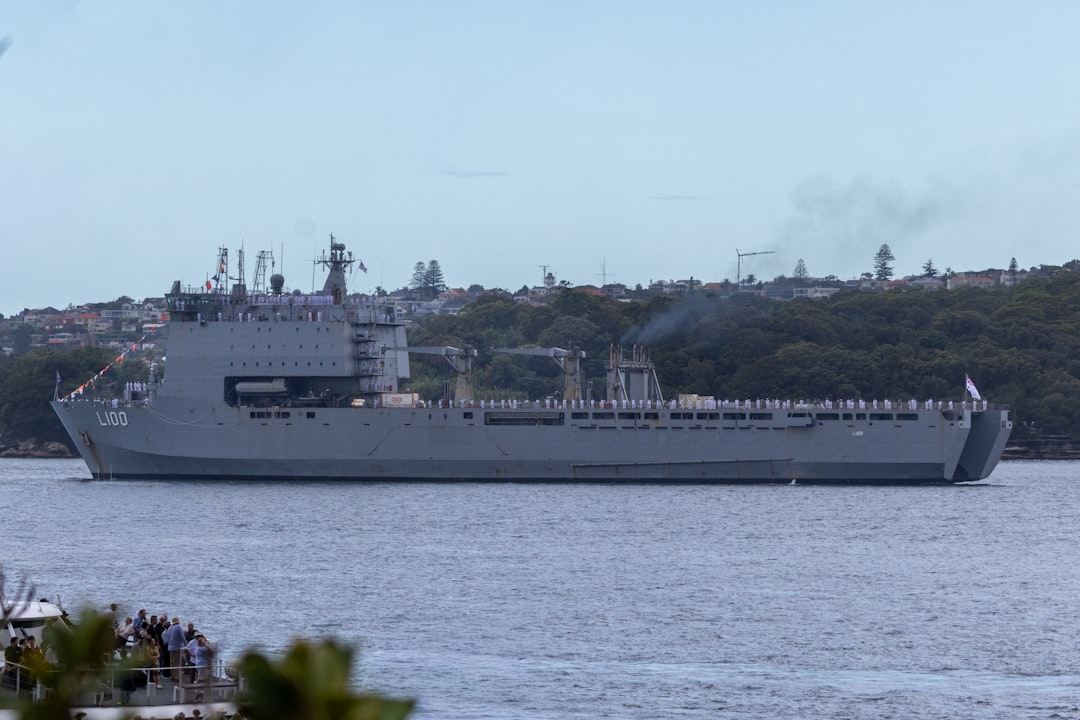
In a pre-dawn operation on March 14, 2026, the French Navy (Marine Nationale) intercepted and seized a Russian-flagged crude oil tanker, the Baltic Sun, while it transited the English Channel. French maritime authorities redirected the vessel to the port of Boulogne-sur-Mer under suspicion of violating international trade sanctions and failing to meet updated environmental safety protocols. This strategic move signals a significant hardening of European policy toward the unregulated “shadow fleet” operating in Western waters. In this report, you will learn the legal grounds for this French Navy Russian oil tanker seizure and how it reshapes maritime security for the remainder of 2026.
- The seizure occurred in the Dover Strait, one of the world’s busiest shipping lanes.
- Authorities cite violations of the G7 price cap and lack of transparent maritime insurance.
- This action marks the first major naval enforcement of the 2026 Maritime Integrity Act.
The interception involved the French frigate Auvergne and specialized boarding teams. The operation began at 03:30 local time when the tanker refused to provide verifiable cargo documentation during a routine challenge. Since the escalation of global energy tensions, the English Channel has become a focal point for monitoring vessels suspected of bypassing international financial restrictions.
Why did the French Navy intercept the Russian vessel?
The primary catalyst for the seizure was the vessel’s failure to provide proof of valid P&I (Protection and Indemnity) insurance. Under the 2026 regulatory framework, any tanker transiting the Exclusive Economic Zone (EEZ) of an EU member state must demonstrate coverage from recognized providers. The Baltic Sun allegedly utilized a shadow insurance firm that does not meet International Maritime Organization safety standards, posing a massive environmental risk to the French coastline.
Furthermore, intelligence reports suggested the cargo was being sold above the internationally agreed price cap. Financial investigators are currently auditing the ship’s digital manifests to track the true origin and destination of the 100,000 tonnes of crude oil. This enforcement action serves as a deterrent to other operators attempting to mask their commercial activities through complex shell company structures.
“The safety of our waters and the integrity of international law are non-negotiable. We will continue to inspect any vessel that presents a credible risk to our environment or violates established sanctions,” stated a spokesperson for the French Ministry of the Armed Forces.
How does the “Shadow Fleet” threaten maritime safety?
The rise of the shadow fleet has become a critical concern for maritime nations in 2026. These vessels are often over 20 years old and lack the rigorous maintenance schedules required by major shipping registries. By operating without transparent oversight, these tankers increase the probability of catastrophic oil spills in sensitive ecological zones like the English Channel.
Data from maritime tracking agencies indicates that nearly 15% of global oil transit now occurs via these “dark” vessels. French authorities have increased aerial surveillance and satellite monitoring to identify ships that disable their Automatic Identification Systems (AIS). The seizure of the Baltic Sun proves that technological evasion is no longer sufficient to bypass naval patrols.
What are the broader geopolitical implications for 2026?
This incident reflects a coordinated effort by NATO allies and European maritime authorities to tighten the enforcement of sanctions against Russia’s energy exports. For more than four years, Russian oil revenue has remained a critical source of funding for Moscow’s military operations in Ukraine. By targeting vessels suspected of participating in sanctions evasion, France and its partners aim to reduce the effectiveness of the shadow fleet network that has allowed Russian crude to continue reaching international markets despite restrictions.
The operation also highlights the growing military cooperation between France and the United Kingdom in maritime security missions. French officials confirmed that allied partners provided support during the interception, demonstrating an increasingly unified approach to monitoring strategic waterways and enforcing international maritime regulations. This collaboration is expected to expand as European governments invest in new surveillance technologies, including satellite intelligence, drone reconnaissance, and advanced vessel-tracking systems.
Russia has strongly criticized the seizure, describing the operation as unlawful and accusing Western governments of engaging in what it called “maritime piracy.” Kremlin representatives argued that such actions risk escalating tensions in international waters and could provoke retaliatory measures against Western commercial interests. However, French authorities insist the boarding was conducted under internationally recognized maritime law because of concerns regarding the vessel’s nationality, documentation, and sanctions status.
Legal experts note that ships operating under false or unverifiable flags may be considered stateless vessels under certain circumstances. This designation can provide naval forces with broader authority to conduct inspections and verify compliance with international regulations. As a result, the Tagor case may become an important precedent for future sanctions enforcement operations involving vessels suspected of concealing ownership or cargo information.
Energy analysts are also closely monitoring the market response. While a single tanker seizure is unlikely to significantly disrupt global oil supplies, repeated interceptions could increase transportation costs and insurance premiums for operators connected to sanctioned trade routes. Such financial pressure is one of the primary objectives behind the latest European enforcement measures. By making sanctions evasion more expensive and risky, regulators hope to reduce the profitability of shadow fleet operations and strengthen compliance with international restrictions.
The French government has already signaled that additional inspections are likely throughout 2026. Recent legislative changes have expanded the penalties available to maritime authorities, including larger fines, vessel detentions, and criminal investigations for operators found to be using fraudulent registration documents. Several other Russia-linked tankers have already been stopped by French forces in recent months, indicating that the interception of the Tagor is part of a broader enforcement campaign rather than an isolated event.
For shipping companies, insurers, and energy traders, the message is clear: transparency in vessel ownership, insurance coverage, and cargo documentation will be subject to unprecedented scrutiny. Any attempt to exploit loopholes through shell corporations, frequent flag changes, or opaque financial arrangements may now attract direct naval intervention.
As the geopolitical struggle surrounding energy exports continues, the French Navy Russian oil tanker seizure represents a major turning point in maritime sanctions enforcement. By combining military capabilities with financial oversight and international cooperation, France has demonstrated its willingness to actively police strategic sea routes. Whether this approach successfully curbs the shadow fleet’s activities remains to be seen, but it has already sent a powerful signal to shipping operators worldwide that sanctions enforcement in 2026 has entered a far more aggressive phase.


