
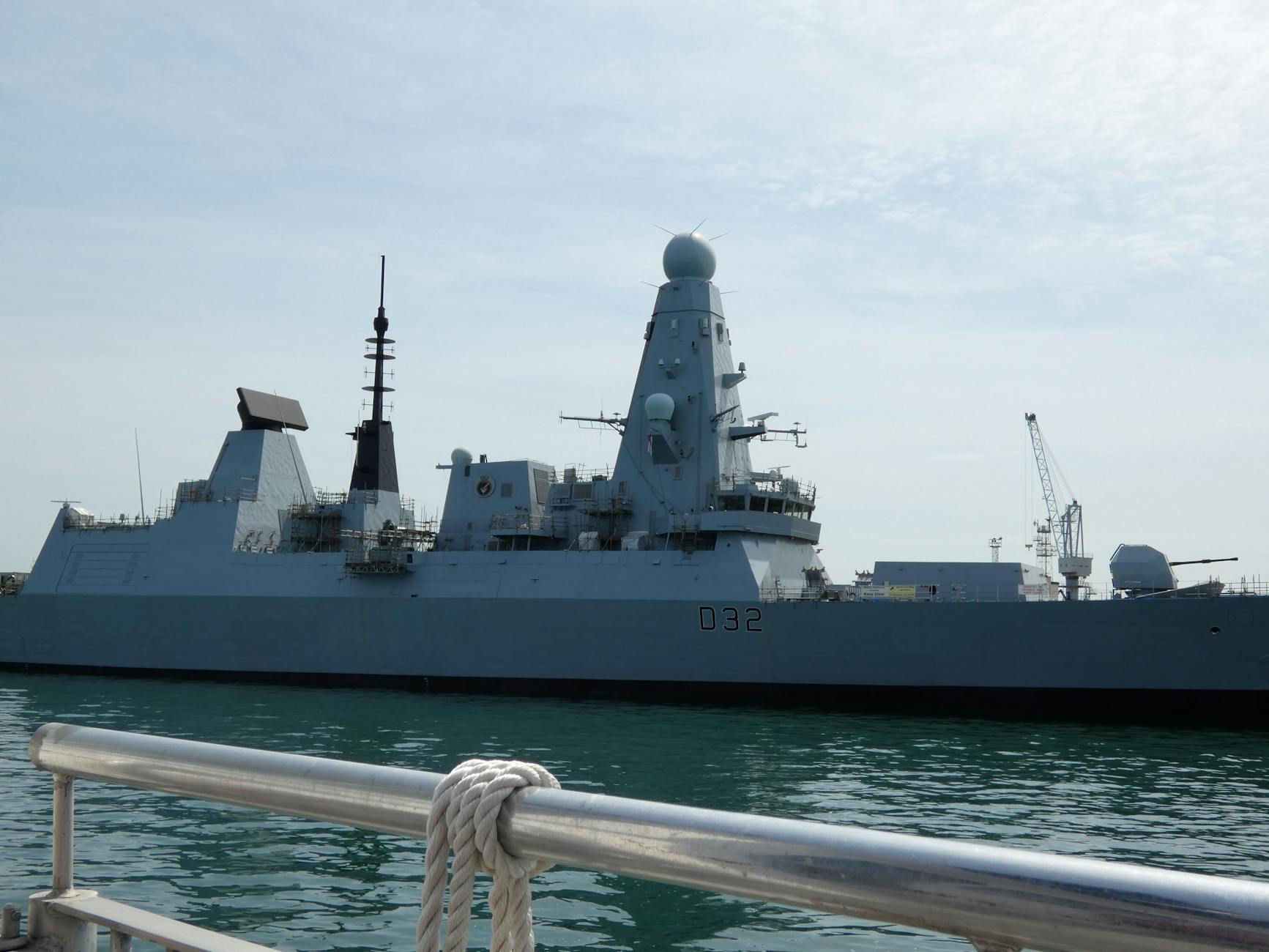
On day 96 of the escalating US-Iran war, American forces and Iranian-backed militias engaged in a fresh round of missile and drone exchanges across the Middle East. The military surge on Tuesday coincides with a significant diplomatic breakdown in Washington, where Senator Marco Rubio, speaking for the administration’s hardline stance, officially rejected a proposed sanctions-relief deal. This rejected agreement would have seen Iran stabilize the Strait of Hormuz in exchange for economic concessions, a move the US now deems insufficient without the total abandonment of enriched uranium stockpiles.
- The US has officially rejected a maritime security deal linked to the Strait of Hormuz, demanding full nuclear disarmament instead.
- Military engagements have intensified in Iraq and Syria, marking the 96th consecutive day of active hostilities.
- Global oil markets remain volatile as the threat to the world’s most vital energy transit point persists.
By reading this report, you will understand the latest military developments on the ground and why the current diplomatic impasse over uranium enrichment is prolonging the 2026 US-Iran war. The refusal to decouple maritime security from nuclear proliferation marks a pivotal shift in American foreign policy during this crisis.
Why has the US-Iran conflict reached Day 96?
The current conflict, which began following a series of maritime provocations and failed nuclear negotiations earlier this year, has evolved into a war of attrition. Both nations have engaged in calculated strikes aimed at degrading infrastructure without triggering a full-scale ground invasion.
Iran has leveraged its influence over the Strait of Hormuz to pressure Western economies, while the US has utilised its air superiority to target proxy command centres. This 96-day cycle has created a regional stalemate that diplomatic channels have so far failed to resolve.
“The safety of international waters cannot be held hostage to nuclear ambitions,” stated a senior Department of Defence official during a press briefing on the latest strikes.
What are the details of the latest military attacks?
The latest reports from the region indicate that US carrier-based jets conducted precision strikes against three mobile missile launchers in western Iran. These assets were allegedly prepared for an attack on commercial shipping lanes in the Persian Gulf.
Simultaneously, Iranian-aligned groups launched a coordinated drone swarm targeting a US logistics hub in eastern Syria. While most drones were intercepted by advanced air defence systems, minor damage to the facility’s perimeter was reported by Central Command.
These tactical exchanges demonstrate the high level of readiness maintained by both sides. The frequency of these encounters has increased by 15% over the last week, suggesting a breakdown in the informal de-escalation protocols previously observed.
Why did Senator Rubio reject the Hormuz-linked sanctions deal?
Senator Marco Rubio clarified the administration’s position by stating that lifting sanctions in exchange for a temporary reprieve in the Strait of Hormuz is a “non-starter.” The US position remains that any economic relief must be tied to the permanent verified destruction of Iran’s highly enriched uranium.
Rubio argued that the proposed deal would provide Iran with the capital needed to further its weapons programmes while only offering a short-term fix for energy transit. He emphasized that the US will not repeat past perceived mistakes of separating regional security issues from nuclear proliferation.
This hardline stance reflects a broader consensus in Washington that “maximum pressure” must be maintained until Iran’s nuclear capabilities are fully dismantled. Critics, however, suggest this approach leaves little room for the incremental steps often necessary for a ceasefire.
How does uranium enrichment impact the current negotiations?
The core of the dispute remains the level of uranium enrichment currently maintained by Iranian facilities. According to the International Atomic Energy Agency, the technical threshold for weapons-grade material is a primary concern for international monitors and Western intelligence agencies.
Iran has recently increased its stockpiles of 60% enriched uranium, which experts claim can be quickly refined to the 90% level required for a nuclear warhead. The US demands a return to the 3.67% limit established in previous frameworks before any sanctions are lifted.
Tehran maintains that its nuclear programme is for peaceful energy and medical purposes. However, the refusal to allow unhindered access to certain sites has deepened the trust deficit between the two nations, making Rubio’s demand for total abandonment a central pillar of the US strategy.
What are the implications for global energy security?
The rejection of the Hormuz deal has immediate consequences for the global economy, particularly for energy-dependent nations. The Strait of Hormuz handles approximately 20% of the world’s daily oil consumption, and any disruption leads to instant price spikes in Canada and the US.
Insurance premiums for tankers operating in the Gulf have reached historic highs this week. This increase in shipping costs is expected to trickle down to consumers at the pump within the next fourteen days if a maritime security agreement is not reached.
Furthermore, the ongoing conflict is forcing a realignment of energy trade routes. Many Asian markets are seeking alternative suppliers, which could lead to long-term shifts in the geopolitical influence of Middle Eastern oil producers.
As the conflict moves past the three-month mark, the focus shifts to whether either side can sustain the current operational tempo. The US military remains committed to protecting international commerce, but the domestic political pressure to find a resolution is mounting. Strategic patience is being tested as the humanitarian and economic costs of the war continue to rise across the globe. Monitoring the balance between military action and nuclear diplomacy will be essential for predicting the trajectory of this conflict as it enters its second quarter.


