
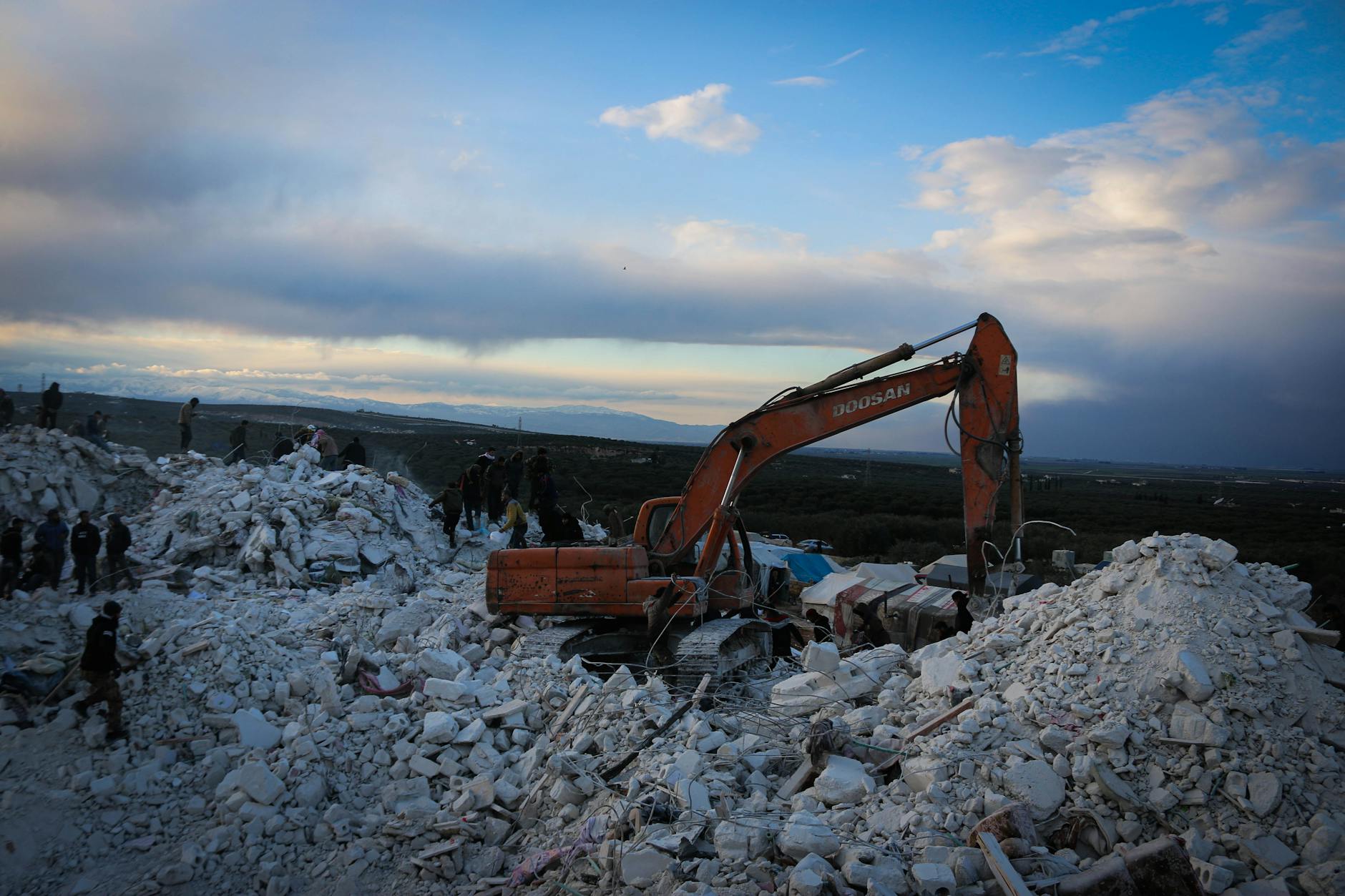
As the international community gathers in early 2026 to finalize funding for Mediterranean infrastructure, a controversial shift in Gaza reconstruction initiatives 2026 has taken centre stage. Global donors and regional powers are now implementing a framework where physical rebuilding is directly tied to political compliance. This strategy, evolving from previous diplomatic blueprints, effectively transforms humanitarian aid into a mechanism for security oversight. In this report, you will learn how the integration of political conditions into relief efforts is reshaping the landscape of international development and what this means for the millions awaiting stable housing.
“The transition from unconditional humanitarian support to a performance-based reconstruction model marks a fundamental change in how we approach conflict recovery in the 21st century.”
- Reconstruction funding is now contingent on meeting specific regional security benchmarks.
- The 2026 framework prioritizes political stability over immediate humanitarian needs.
- Critics argue the model weaponizes essential infrastructure like power and water.
How does the 2026 Gaza reconstruction framework function?
The current approach utilizes a tiered funding system. Under this model, the release of materials for large-scale projects depends on verified security milestones. This ensures that every bag of cement and every steel beam is accounted for within a strict digital tracking system. Proponents claim this prevents the diversion of resources for non-civilian purposes.
However, the heavy reliance on surveillance technology has slowed the pace of development. Local contractors report significant delays in obtaining permits for essential repairs. This bureaucratic friction creates a bottleneck that leaves thousands in temporary shelters. The process often treats infrastructure as a reward rather than a basic human right.
What is the context behind this shift in aid policy?
For years, the international community struggled with the cycle of destruction and rebuilding. The “Mladenov-style” plans of the early 2020s laid the groundwork for the current conditional model. These strategies sought to integrate Gaza into a broader regional economic framework. By 2025, these ideas matured into the formal policy we see today.
The shift reflects a growing fatigue among international donors. Many nations now refuse to provide “blank cheque” aid without long-term guarantees of stability. This pragmatic—yet cold—logic dictates that economic prosperity must be earned through political concessions. Consequently, the humanitarian imperative often takes a backseat to geopolitical maneuvering.
How does conditional aid impact the local population?
The human cost of this “coercive reconstruction” is becoming increasingly visible. When political negotiations stall, essential projects like sewage treatment plants and desalination facilities are often paused. This creates a precarious environment where public health is used as a bargaining chip. Families find themselves caught between the demands of local authorities and the requirements of international oversight bodies.
Data from the United Nations Office for the Coordination of Humanitarian Affairs highlights that over 60% of the population still lacks consistent access to clean water. Despite the influx of pledged billions, the actual disbursement of funds remains tied to complex political triggers. This disconnect between financial promises and ground-level reality fuels local resentment.
What are the long-term implications for regional stability?
The weaponization of reconstruction could set a dangerous precedent for other global conflict zones. If aid becomes a tool for political engineering, the neutrality of humanitarian organizations is compromised. This model risks creating a permanent state of dependency where the local economy cannot function without external approval. It also empowers technocratic oversight over local governance.
Looking ahead, the success of the 2026 initiatives will be measured not by the number of buildings erected, but by the quality of life restored. If the framework continues to prioritize coercion over cooperation, the cycle of instability may only deepen. True recovery requires a foundation of dignity and autonomy that goes beyond mere bricks and mortar.
As stakeholders navigate these complex dynamics, the focus must remain on sustainable outcomes. Ensuring that reconstruction serves the people rather than political agendas is the primary challenge of the coming decade. Future progress depends on balancing legitimate security concerns with the undeniable right to a habitable environment. Only through transparent and equitable aid can a lasting peace be built from the ruins.


