
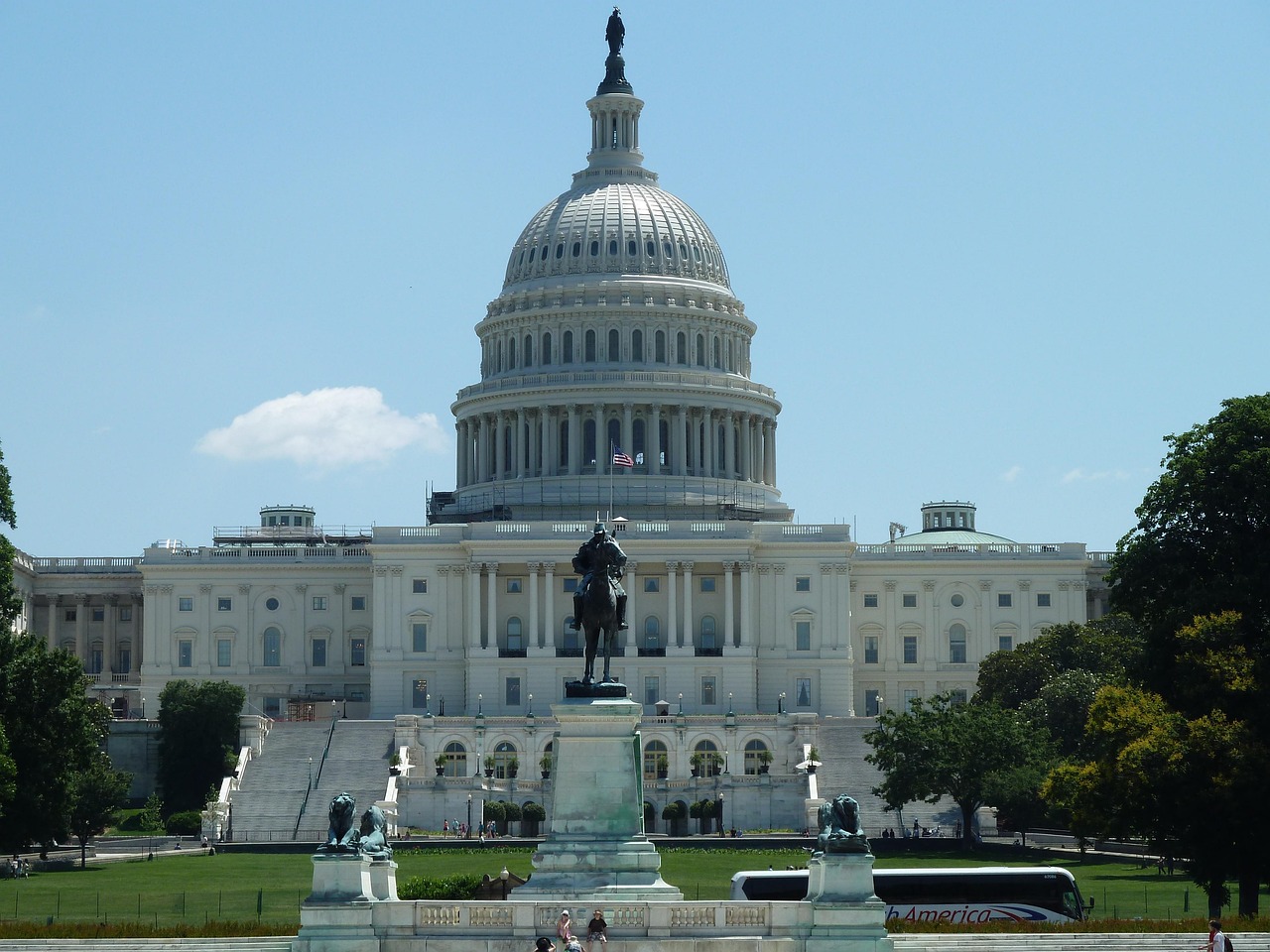
U.S. President Donald Trump announced on June 4, 2026, that the planned “Great American State Fair” concert series for the nation’s 250th anniversary will be replaced by a massive political rally. The shift follows the withdrawal of several high-profile musical acts who cited concerns over the event’s partisan nature. This transition to a Freedom 250 rally ensures the President remains the central figure of the semiquincentennial celebrations on the National Mall in Washington, D.C.
- The “Great American State Fair” concert series has been cancelled in favour of a large-scale political rally.
- Six out of nine original headliners withdrew from the event due to political concerns.
- Confirmed performers now include Lee Greenwood, Vanilla Ice, and Christopher Macchio.
- The event remains scheduled for late June and early July 2026 on the National Mall.
How did the Freedom 250 concert series collapse?
The original plan for the Freedom 250 celebrations involved a diverse, non-partisan musical lineup intended to celebrate two and a half centuries of American history. However, the initiative faced immediate backlash as critics questioned the neutrality of the Trump-backed public-private entity organizing the festivities.
Within days of the initial announcement, the majority of the roster abandoned the project. Performers such as Martina McBride, Poison frontman Bret Michaels, and the Commodores cited the increasingly partisan atmosphere as their reason for departing. This mass exodus left the organizers with a nearly empty schedule just weeks before the scheduled kickoff on June 25.
Consequently, the President opted to pivot the format entirely. Using his Truth Social platform, he dismissed the departing artists as “singers with no talent” and promised a more traditional rally experience for his supporters.
What can attendees expect from the ‘rally to end all rallies’?
The updated itinerary focuses on familiar patriotic themes and performers who have long been associated with the President’s public appearances. Country singer Lee Greenwood is set to perform “God Bless the USA,” a staple at MAGA-style events for years. Additionally, American tenor Christopher Macchio and various U.S. military bands will provide musical accompaniment.
The President described the upcoming gathering as the “greatest rally ever.” He emphasized that the event would move away from high-priced entertainment in favour of a direct connection between the speakers and the audience. This approach aligns with his historical preference for large-scale grassroots mobilizations over traditional gala performances.
Despite the controversy, a few original performers remain on the bill. Rapper Vanilla Ice confirmed his participation, stating his involvement is about celebrating the country’s birthday rather than endorsing specific political ideologies. Freedom Williams of C+C Music Factory also defended his decision to perform, citing professional autonomy and financial considerations.
How will this change impact the National Mall celebrations?
The shift from a multi-artist concert series to a singular political rally significantly alters the logistics and security requirements for the National Mall. The National Park Service typically manages strict permitting processes for large-scale demonstrations and public gatherings in this historic space. Officials must now prepare for a different crowd dynamic than what was originally anticipated for a family-oriented music festival.
Security experts suggest that the partisan nature of the rally may necessitate increased law enforcement presence to manage potential counter-protests. Furthermore, the infrastructure previously intended for a state-fair-style event—including various stages and vendor booths—may need to be reconfigured to accommodate a massive central podium and viewing areas for rally-goers.
Industry analysts note that this pivot reflects a broader trend in how national milestones are being observed in a polarized political climate. The transition from a broad cultural celebration to a targeted political event highlights the challenges of maintaining non-partisan public spaces during major anniversaries.
What are the implications for the 250th-anniversary brand?
The “Freedom 250” brand was initially marketed as a unifying national moment. However, the recent cancellations and the subsequent pivot to a rally format have complicated this narrative. Marketing experts suggest that the withdrawal of mainstream artists could make it difficult for the organization to secure corporate sponsorships for future events in the series.
“We don’t want singers with no talent… all we want is you, me, a few speakers, and the Greatest Music ever played,” the President stated in his social media announcement.
This rhetoric reinforces a specific vision of American identity that resonates deeply with the President’s base but may alienate broader segments of the public. As the late June start date approaches, the focus remains on whether the event can achieve the “special at every level” status promised by the administration or if it will remain a point of national contention.
For those planning to attend, the event still promises a historic backdrop and high-energy performances from the remaining acts. The transition highlights the importance of staying informed on event changes as the nation nears its significant 250-year milestone. Checking official government schedules will be essential for navigating the logistics of the National Mall during this high-traffic period.


