
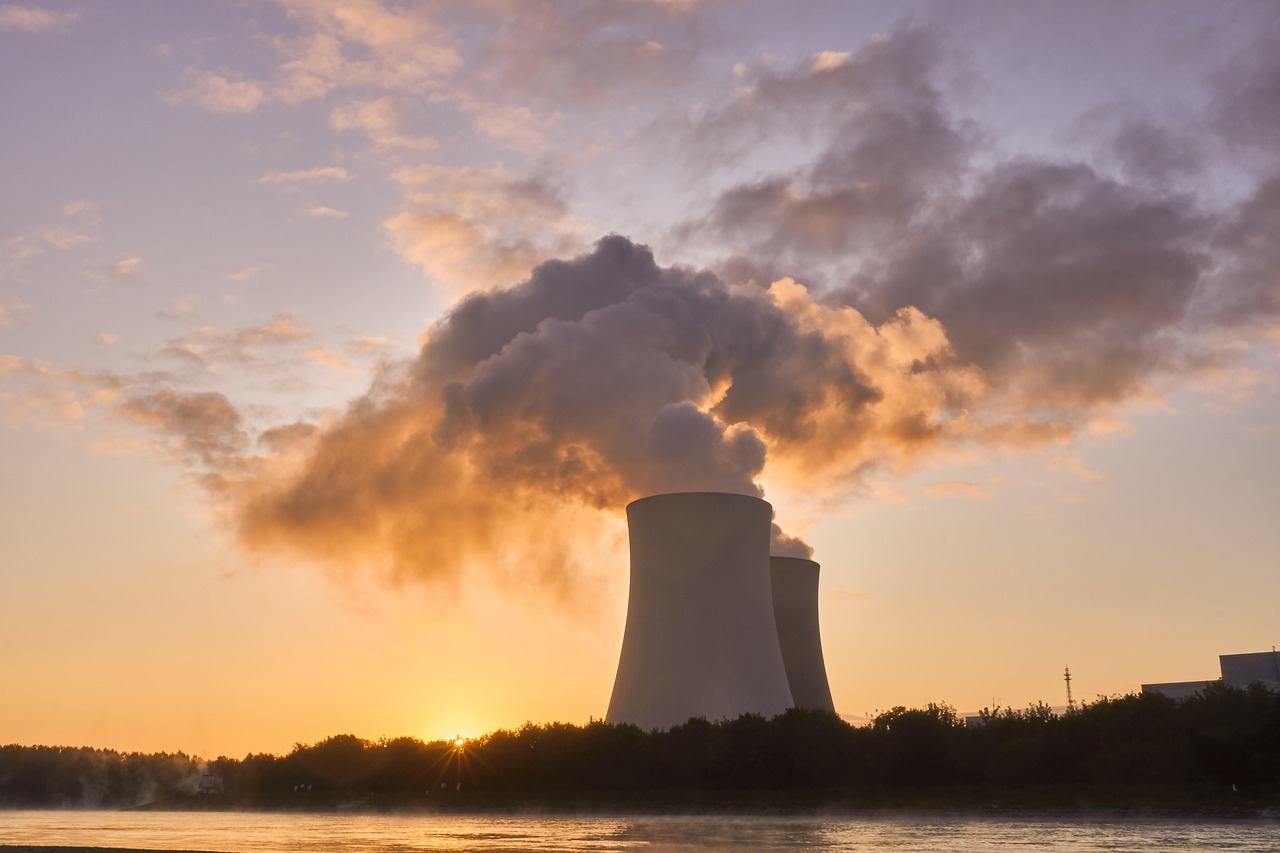
On October 14, 2026, the International Atomic Energy Agency (IAEA) successfully negotiated a localized 72-hour ceasefire at the Zaporizhzhia Nuclear Power Plant (ZNPP) in southern Ukraine. This diplomatic breakthrough allows international and local engineers to perform critical Zaporizhzhia nuclear plant repairs on infrastructure damaged during recent hostilities. Director General Rafael Grossi confirmed that both parties agreed to pause military activity within a ten-kilometre radius of the facility. This window of safety aims to prevent a catastrophic cooling failure at Europe’s largest nuclear site.
In this article, you will learn about the technical requirements for these repairs, the diplomatic efforts involved, and the broader safety implications for the European continent. Understanding the current status of the ZNPP is essential for gauging regional energy security and environmental safety.
- A 72-hour localized ceasefire is now in effect around the ZNPP facility.
- Engineers are prioritizing repairs to the secondary cooling loops and backup diesel generators.
- IAEA monitors will remain on-site to verify the suspension of military activities.
Why is the 2026 ceasefire critical for nuclear safety?
The Zaporizhzhia facility has operated under extreme duress since the early stages of the conflict. By late 2025, the structural integrity of the external power lines reached a precarious state. Frequent shelling disrupted the connection between the plant and the national grid. This forced the facility to rely on emergency diesel generators to keep the reactor cores cool.
The current ceasefire focuses on the restoration of the main 750 kV power line. Without a stable external power source, the risk of a meltdown increases significantly. Engineers also plan to reinforce the embankment of the cooling pond, which has suffered from erosion and minor structural damage. These repairs are vital to ensure the long-term stabilization of the six VVER-1000 reactors.
The IAEA has long advocated for a permanent protection zone. While this ceasefire is temporary, it represents the most significant diplomatic success in the region this year. It provides a rare moment of cooperation focused on shared environmental risks.
How will the Zaporizhzhia nuclear plant repairs be conducted?
Technical teams face a daunting task within the limited 72-hour window. The repair schedule is divided into three distinct phases to maximize efficiency. First, teams will assess the damage to the switchyard using specialized drone technology. This allows them to identify specific faults without exposing personnel to unnecessary risks.
Second, heavy machinery will move in to replace damaged transformers and cabling. These components were pre-staged in neutral territory over the last month. The logistical coordination required for this movement involved multiple international stakeholders. Finally, the cooling system pumps will undergo testing to ensure they can handle full-load capacity.
According to the safety standards maintained by the International Atomic Energy Agency, maintaining constant power to cooling systems is non-negotiable for disaster prevention. These protocols dictate the urgency of the current mission. Every hour of the ceasefire is accounted for in the master repair plan.
What do experts say about the current risks?
Nuclear experts emphasize that even in cold shutdown, the reactors require active management. The decay heat from the nuclear fuel must be continuously removed to prevent cladding failure. Data from the IAEA’s on-site mission (ISAMZ) suggests that the backup systems are currently operating at 60% efficiency. This margin is uncomfortably thin for a facility of this magnitude.
Dr. Elena Vance, a senior nuclear consultant, notes that the human element is equally important. “The staff at Zaporizhzhia have been working under immense psychological pressure for years,” Vance stated. “This ceasefire provides not just a technical window, but a brief respite for the operators who maintain these complex systems.”
Recent data points highlight the urgency of the situation:
- The plant has lost off-site power eight times since 2022.
- Cooling water levels have fluctuated by 15% following the Kakhovka Dam breach.
- Over 40% of the original technical staff has been displaced or replaced.
What are the geopolitical implications of this agreement?
The ceasefire demonstrates that international pressure can still influence local military decisions. It sets a precedent for “humanitarian technical corridors” in active conflict zones. Many analysts believe this could serve as a template for future negotiations regarding other critical infrastructure. The involvement of neutral third parties was essential in building the necessary trust.
For the energy industry, the stabilization of ZNPP is a major relief. While the plant is not currently contributing to the grid, its safety impacts the entire European energy market. Any incident would lead to immediate closures of similar reactor designs across the continent. Maintaining the status quo at Zaporizhzhia is therefore a matter of continental economic security.
Neighbouring countries remain on high alert despite the ceasefire. Radiation monitoring stations across Poland, Romania, and Moldova have increased their frequency of reporting. This collective vigilance ensures that any deviation from normal levels is detected instantly. The successful completion of these repairs will likely lower the regional threat level from “critical” to “guarded.”
How will the IAEA monitor the ceasefire compliance?
The IAEA has deployed additional observers to the site to ensure both sides honour the agreement. These monitors use satellite imagery and ground-based sensors to track military movements. Any violation of the ten-kilometre buffer zone will be reported immediately to the United Nations Security Council. This transparency is the primary deterrent against renewed hostilities during the repair window.
The technical teams are also equipped with body cameras to document the repair process. This documentation serves as proof that the ceasefire is being used strictly for civilian safety purposes. It prevents the misuse of the pause for military positioning or reinforcement. The international community is watching closely to see if the agreement holds through the final hour.
As the 72-hour clock ticks down, the focus remains on the engineers on the ground. Their success determines the safety of millions of people across the region. The completion of these repairs will provide a much-needed buffer against future technical failures. Maintaining the integrity of the Zaporizhzhia Nuclear Power Plant remains the most pressing environmental priority of 2026.


