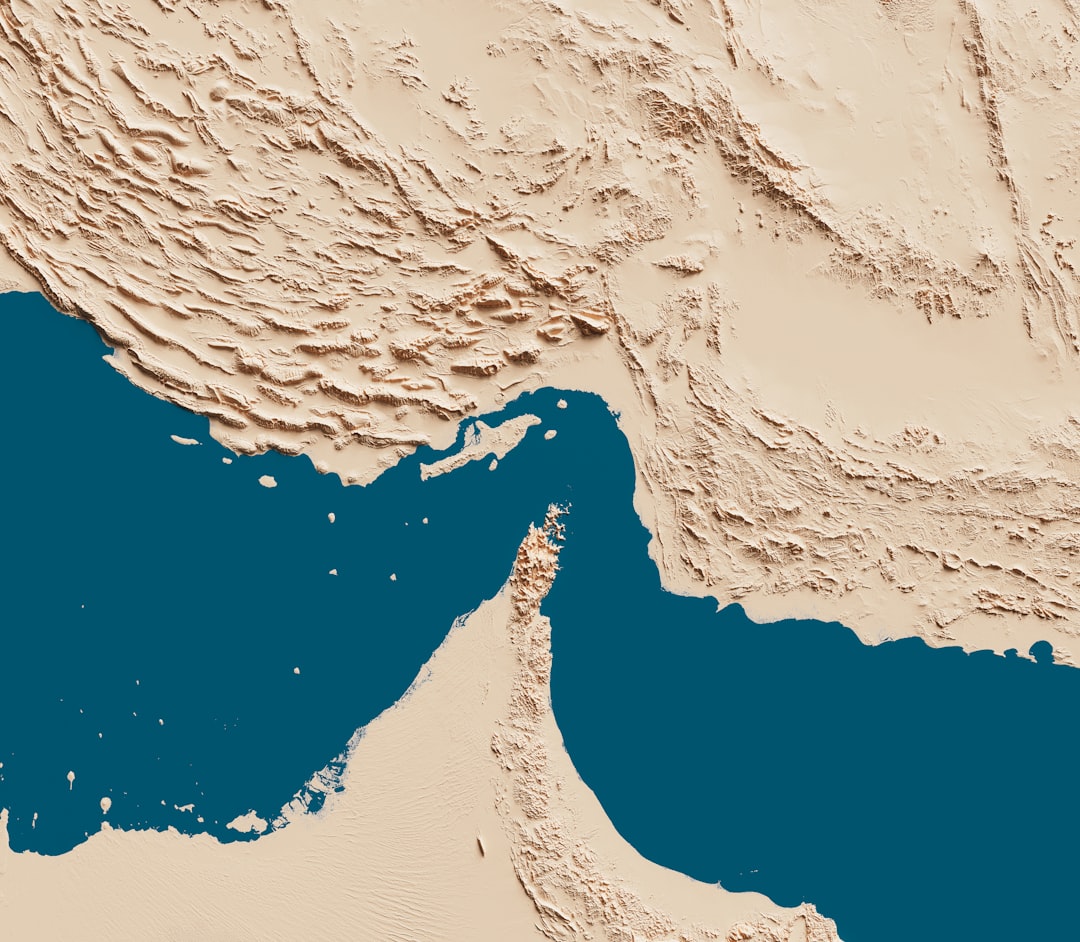
As the U.S.-Iran conflict nears its 100th day in late 2026, both nations remain entrenched in a diplomatic and military stalemate that threatens global maritime stability. Tehran recently escalated tensions by asserting that it shares exclusive sovereignty over the Strait of Hormuz with Oman, a claim that the United States and its allies have formally rejected. This article examines the strategic deadlock, the legal implications of maritime sovereignty claims, and the broader economic consequences of the U.S.-Iran conflict 2026 for international trade and energy security.
- The conflict is entering its 100th day with no active truce negotiations or ceasefire in sight.
- Iran has asserted joint sovereignty with Oman over the Strait of Hormuz, challenging international transit rights.
- Global energy markets remain volatile as the threat of a prolonged maritime blockade increases.
How does the Strait of Hormuz sovereignty claim alter the conflict?
The assertion of sovereignty over the Strait of Hormuz represents a significant shift in Tehran’s strategic posture. By claiming joint control with Oman, Iran seeks to redefine the legal status of one of the world’s most critical waterways. This move aims to challenge the “transit passage” rights currently enjoyed by international vessels under the United Nations Convention on the Law of the Sea (UNCLOS).
Washington has responded by reinforcing its naval presence in the region, citing the necessity of protecting the freedom of navigation. The U.S. Department of Defence maintains that the strait remains an international waterway, regardless of the coastal states’ territorial claims. Consequently, the risk of direct naval skirmishes has reached its highest level since the commencement of hostilities nearly 100 days ago.
Oman has maintained a cautious diplomatic silence regarding Iran’s public declarations of shared sovereignty. While Muscat traditionally acts as a mediator in regional disputes, the current pressure from Tehran places the sultanate in a difficult position between its neighbour and Western security partners. This silence adds another layer of uncertainty to the already complex geopolitical landscape.
What are the implications for global energy security?
The prolonged stalemate has sent shockwaves through the global energy sector, particularly impacting nations dependent on Middle Eastern crude. Because the Strait of Hormuz serves as the primary artery for oil exports, any perceived threat to its accessibility results in immediate price spikes. Analysts suggest that a full closure of the strait could lead to an unprecedented global energy crisis.
The strategic importance of this passage is underscored by the U.S. Energy Information Administration, which identifies the Strait of Hormuz as the world’s most important oil transit chokepoint. Even without a total blockade, the increased insurance premiums for tankers and the cost of naval escorts are driving up prices for consumers in Canada and abroad. Energy analysts have noted that the 100-day mark serves as a psychological threshold for markets, signaling that a quick resolution is unlikely.
Furthermore, the conflict has forced many shipping companies to reconsider their routes. Some vessels are now circumnavigating the region entirely, adding significant time and fuel costs to global supply chains. These logistics delays are contributing to inflationary pressures on a wide range of goods, extending the impact of the conflict far beyond the energy sector.
Why has a diplomatic truce remained elusive?
Diplomatic efforts led by European and regional intermediaries have so far failed to produce a viable framework for a truce. Both Washington and Tehran have adopted maximalist positions, making compromise difficult. The U.S. demands a total cessation of regional proxy activities, while Iran insists on the immediate lifting of all economic sanctions and the withdrawal of Western forces from the Gulf.
“The current stalemate is a result of deeply entrenched mistrust and a lack of clear off-ramps for either administration. Neither side wants a total war, but neither can afford the domestic political cost of appearing weak.”
Internal political pressures in both countries further complicate the path to peace. In the United States, the administration faces criticism for the economic toll of the conflict as it nears the 100-day milestone. Meanwhile, Tehran’s leadership uses the sovereignty claim to galvanize domestic support and project strength amidst ongoing economic hardship. These domestic factors often outweigh the international pressure to return to the negotiating table.
How will the 100-day milestone affect future military strategy?
As the conflict enters its second hundred days, military strategists anticipate a shift toward a war of attrition. This phase will likely involve more frequent use of unmanned aerial vehicles (UAVs) and cyber warfare to disrupt infrastructure without triggering a full-scale ground invasion. Both sides have already demonstrated significant capabilities in these areas during the initial three months of fighting.
The U.S. has increasingly relied on its regional allies to bolster maritime security, forming a coalition aimed at monitoring the strait. This collective approach is designed to distribute the burden of defence and provide a unified front against Iran’s sovereignty claims. However, the cohesion of this coalition will be tested as the economic costs of the stalemate continue to mount for participant nations.
Iran, conversely, has focused on enhancing its asymmetric warfare capabilities. By utilizing its vast coastline and numerous islands, Tehran can deploy mobile missile batteries and fast-attack craft that are difficult to track. This strategy allows Iran to maintain a credible threat to shipping while minimizing the exposure of its primary naval assets to U.S. air superiority.
The international community continues to watch the situation with growing concern as the 100-day mark passes. Without a significant diplomatic breakthrough, the risk of miscalculation remains high. Stakeholders must prepare for a long-term period of regional instability that will require robust risk management and diversified energy strategies to navigate the ongoing volatility in the Middle East.