
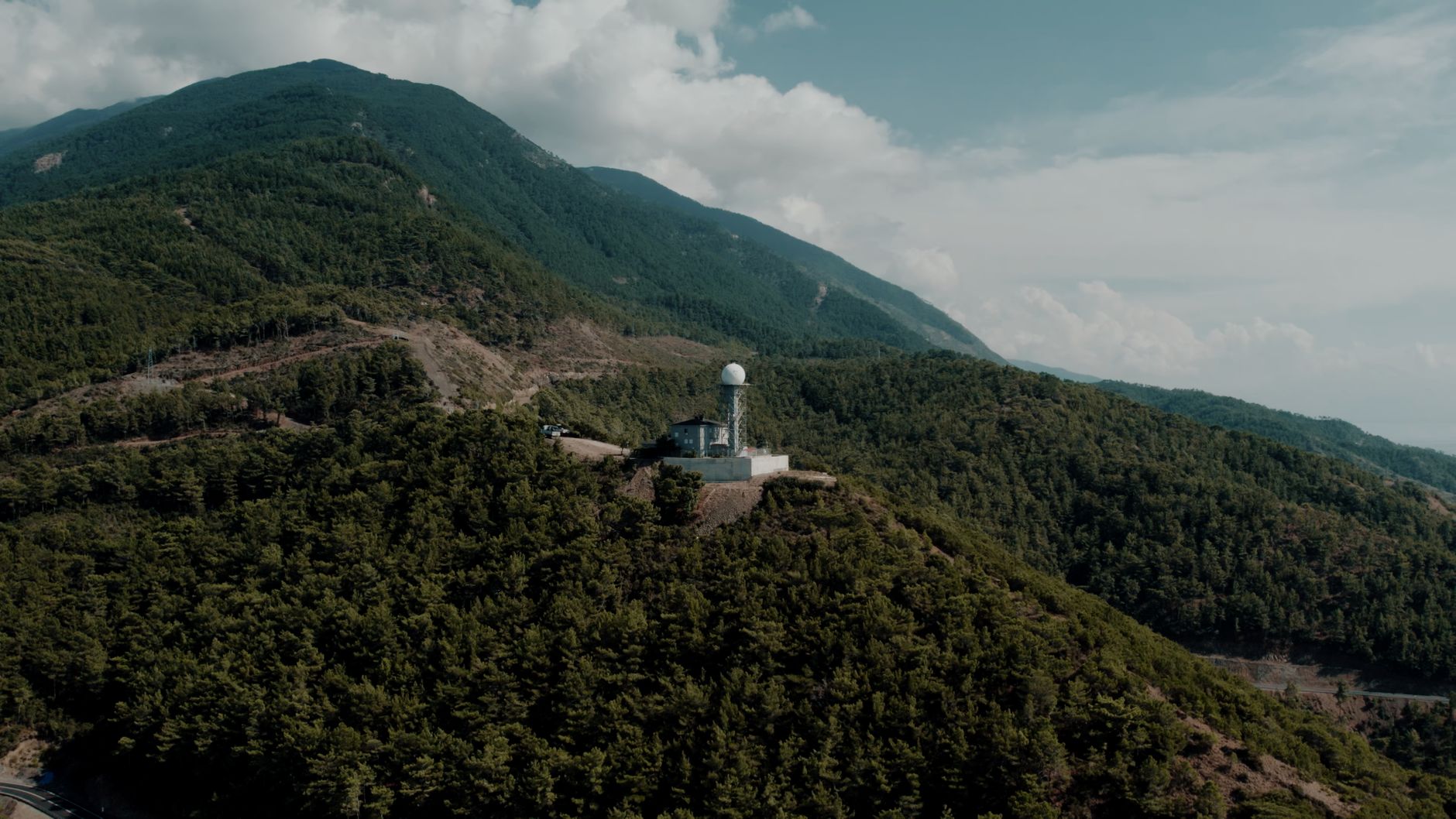
On May 14, 2026, United States Central Command (CENTCOM) forces conducted precision airstrikes against Iranian military radar installations in Goruk and on Qeshm Island. These strategic operations targeted surveillance infrastructure used to track and harass commercial shipping within the Strait of Hormuz. By neutralizing these key assets, the U.S. military aims to restore maritime security in a region vital to global trade. This article details the US strikes Iranian radar sites, the technological capabilities involved, and the immediate implications for international energy markets.
- Precision strikes targeted critical radar hubs in Goruk and Qeshm Island to protect international shipping lanes.
- The Pentagon released declassified footage confirming the destruction of advanced surveillance arrays.
- Maritime insurance rates are expected to fluctuate as security protocols are heightened in the Persian Gulf.
Why did the US target Goruk and Qeshm Island?
The decision to strike these specific locations follows a series of maritime provocations that threatened the flow of global commerce. Goruk, located on the Iranian mainland, and Qeshm Island serve as primary observation posts overlooking the narrowest point of the Strait. These facilities allowed Iranian forces to monitor naval movements with high precision, facilitating the deployment of fast-attack craft.
Military analysts suggest these radar sites were the backbone of a sophisticated “denial of access” strategy. By removing these surveillance nodes, the U.S. has significantly hindered the ability of regional forces to coordinate unplanned interceptions of merchant vessels. This action serves as a direct response to recent interference with international tankers.
The timing of the strikes coincides with a period of increased naval presence in the region. Defence officials stated that the operation was a necessary measure to ensure the safety of civilian mariners. The focus remains on maintaining the free movement of goods through international waters.
What does the declassified footage reveal about the operation?
The U.S. Department of Defence released high-definition infrared footage documenting the moment of impact at both sites. The video shows precision-guided munitions striking radar domes and command-and-control trailers with surgical accuracy. Secondary explosions at the Goruk site indicate the destruction of localized power infrastructure and fuel storage.
“These strikes were limited in scope and designed specifically to protect freedom of navigation without seeking further escalation,” stated a senior defence official.
The use of stealth technology allowed U.S. aircraft to bypass regional air defence systems effectively. This capability demonstrates a significant technological advantage in conducting standoff strikes against hardened targets. The footage serves as both tactical confirmation of success and a strategic deterrent against future aggression.
Independent observers have verified the footage, noting the lack of collateral damage to surrounding civilian infrastructure. This precision underscores the advanced targeting algorithms utilized by modern U.S. strike platforms. The operation highlights the evolving nature of electronic warfare and reconnaissance in 2026.
How will these strikes impact global shipping and energy?
The Strait of Hormuz is the world’s most important oil transit chokepoint, with millions of barrels of crude passing through daily. Any military action in this area immediately triggers concerns regarding supply chain stability and energy costs. Consequently, global markets are monitoring the situation for signs of prolonged disruption.
Shipping companies are already adjusting their routes and security measures in response to the strikes. While the removal of radar threats improves long-term safety, the immediate aftermath creates a period of heightened uncertainty. You can find detailed reports on international maritime safety standards and current regulations through the International Maritime Organization.
Industry experts predict that war risk premiums for tankers will see a temporary increase. However, the successful neutralization of monitoring sites may eventually lead to lower insurance costs as the threat of interception decreases. The balance between security and market stability remains a primary concern for international stakeholders.
What are the long-term strategic implications for the region?
The geopolitical landscape in 2026 is increasingly defined by the protection of digital and physical trade routes. These strikes represent a shift toward direct kinetic action against surveillance assets that facilitate maritime harassment. This move signals a lower tolerance for state-sponsored interference with global economic interests.
Regional partners are currently evaluating their security postures in light of the U.S. action. Some nations have expressed support for the protection of shipping lanes, while others call for immediate diplomatic de-escalation. The effectiveness of this operation will be measured by the stability of the Strait over the coming months.
As technological capabilities continue to advance, the ability to strike with precision while minimizing risk remains paramount. The international community continues to emphasize the importance of adhering to maritime law and ensuring the safety of all vessels. Vigilance remains the priority for all operators transiting through these high-stakes waters.
Maritime operators should stay informed through official channels and maintain rigorous security protocols while in the Persian Gulf. The neutralization of the Goruk and Qeshm radar sites provides a window of improved safety, but the broader security environment requires constant monitoring. Stakeholders are encouraged to review their contingency plans as the situation evolves.


