
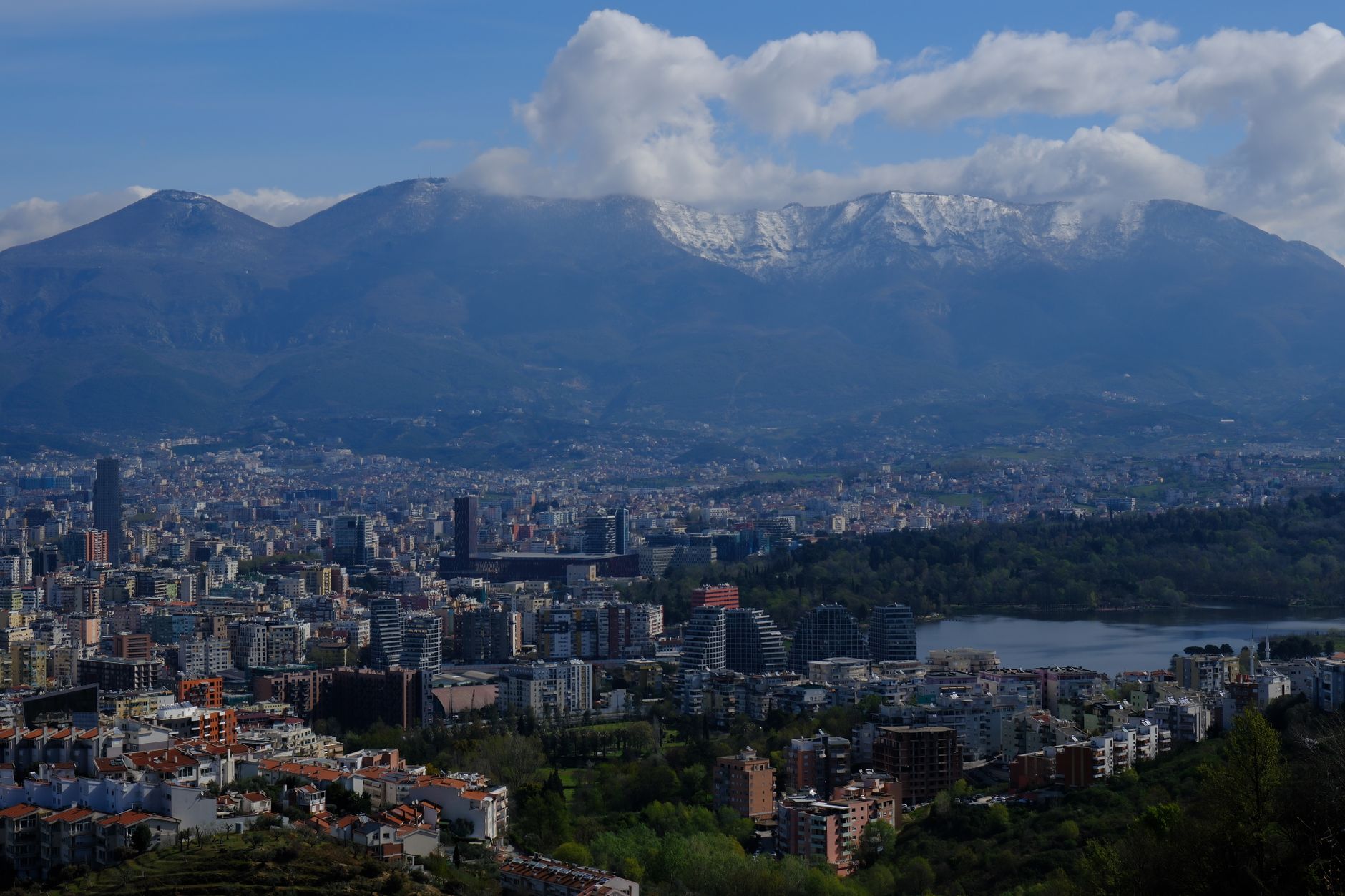
On March 12, 2026, thousands of demonstrators gathered in Skanderbeg Square, Tirana, to protest a massive luxury resort project. This development, led by Jared Kushner’s investment firm Affinity Partners, targets the ecologically sensitive Sazan Island and Zvërnec peninsula. Protesters demand greater transparency and environmental protection for these pristine coastal regions. This article explores the growing opposition to the Albania luxury resort protest and the potential impacts on the country’s Mediterranean coastline.
- Civil unrest is rising in Tirana over the $1-billion USD Sazan Island development.
- Environmentalists warn of irreversible damage to protected Mediterranean marine ecosystems.
- Critics are calling for investigations into the lack of public bidding for the land.
Why are citizens protesting the Albania luxury resort development?
The primary driver of the unrest is the perceived lack of transparency regarding the land transfer. Citizens claim the government bypassed standard public tender processes to favour foreign investors. Many locals fear that privatizing public land will restrict access to national heritage sites.
Furthermore, the rapid legislative changes in 2024 paved the way for this investment. These changes allowed for high-end tourism projects within protected natural areas. Consequently, many Albanians feel their environmental laws were compromised for financial gain.
Labour groups have also joined the demonstrations in the capital. They argue that the high-end nature of the resort will not benefit the average local worker. Instead, they fear it will drive up the cost of living in coastal communities.
What is the environmental significance of Sazan Island and Zvërnec?
Sazan Island served as a military base for decades, which inadvertently preserved its unique biodiversity. It remains one of the few untouched areas in the Mediterranean. The Zvërnec peninsula is equally vital, hosting diverse bird species and delicate wetlands.
Environmental NGOs argue that large-scale construction will destroy critical habitats. According to the United Nations Environment Programme, sustainable coastal development requires rigorous impact assessments to prevent permanent biodiversity loss. Activists claim these assessments have been insufficient or entirely overlooked for the Kushner project.
The Vjosa-Narta Protected Area, situated near the proposed Zvërnec site, is also at risk. This region is a major stopover for migratory birds, including flamingos and pelicans. Construction noise and pollution could disrupt these migratory patterns permanently.
“We are not against development, but we are against the destruction of our national soul for private profit,” stated one protest leader during the rally.
How does the Kushner-Trump connection influence public perception?
The involvement of Jared Kushner, son-in-law of former U.S. President Donald Trump, adds a complex political layer. Many protesters view the deal as a geopolitical manoeuvre rather than a purely economic one. They worry that Albania’s natural resources are being used as political leverage.
Affinity Partners has committed over $1 billion USD to various projects in the Balkans. While the government highlights the potential for job creation, the public remains sceptical. This scepticism stems from the speed at which the deal was finalized.
International observers are also monitoring the situation closely. They are looking for signs of corruption or undue influence in the approval process. Such concerns could impact Albania’s ongoing efforts to join the European Union.
What are the broader implications for Mediterranean tourism?
The outcome of this conflict may set a precedent for future developments across the Balkans. If the project proceeds despite mass opposition, it may signal a shift toward high-impact tourism. This shift often prioritizes luxury markets over ecological sustainability.
Conversely, a successful protest could lead to stricter environmental regulations. It might force the government to adopt a more inclusive approach to urban planning. This would involve more community consultation and transparent bidding processes.
Economic analysts suggest that Albania is at a crossroads regarding its tourism identity. The country must choose between becoming an exclusive enclave for the wealthy or a sustainable destination. This decision will determine the health of its coastline for decades to come.
As the protests continue, the Albanian government faces mounting pressure to address these grievances. The international community is watching how the state balances economic growth with democratic transparency. For now, the future of Sazan Island remains a focal point for national identity and environmental justice. Moving forward, the inclusion of local voices in development plans will be essential for maintaining social stability and protecting Albania’s natural legacy.


