
In March 2026, the Israeli military launched a significant expansion of ground operations into central Gaza while international mediators simultaneously convened in Cairo to negotiate a permanent ceasefire. This dual-track escalation of combat and diplomacy comes as the regional conflict enters a critical phase, with Israeli forces moving into previously bypassed urban zones to dismantle remaining infrastructure. Global leaders are currently focused on the Egyptian capital, where high-level delegations are attempting to resolve the deadlock that has persisted throughout the winter months.
- Israeli Defence Forces (IDF) have pushed deeper into central Gaza districts, including Deir al-Balah.
- Diplomatic delegations from Egypt, Qatar, and the United States are meeting in Cairo this week.
- Humanitarian agencies warn of collapsing supply lines as active combat zones shift toward aid hubs.
- The 2026 negotiations represent the most significant attempt at a long-term settlement in eighteen months.
Readers will gain a comprehensive understanding of the current military shifts and the specific hurdles facing the Gaza peace negotiations 2026. This report examines the strategic objectives of the new incursions and provides an evidence-based look at the diplomatic framework being proposed in Cairo. By analyzing the intersection of military pressure and international mediation, we clarify what these developments mean for regional stability and civilian safety.
What is the current status of the 2026 Gaza military operations?
The Israeli military has shifted its focus to the central corridor of the enclave, marking a new phase in the protracted conflict. Armoured divisions moved into densely populated areas early Monday morning, supported by advanced drone surveillance and precision artillery. This maneuver aims to secure control over strategic transit routes that bisect the territory. Consequently, thousands of civilians have been forced to relocate toward the coastal ‘safe zones’ which are already over capacity.
Military analysts suggest that this expansion is intended to increase leverage at the bargaining table in Cairo. By demonstrating a capability to operate in any sector of the enclave, the IDF seeks to pressure opposing leadership into concessions. However, the intensity of the urban combat has resulted in significant damage to the remaining civilian infrastructure. Reports from the ground indicate that power and water systems in central Gaza are now largely non-functional.
How are the Cairo diplomatic talks progressing?
Meanwhile, the diplomatic atmosphere in Cairo remains tense but active as negotiators review a revised three-phase proposal. This framework includes a temporary cessation of hostilities followed by a structured exchange of personnel and a long-term reconstruction plan. Egyptian officials have noted that the primary sticking point remains the timeline for a full military withdrawal. Furthermore, the inclusion of international peacekeeping observers is a major topic of debate among the delegations.
The United States has increased its involvement, sending a senior diplomatic envoy to facilitate direct communication between the parties. These talks are occurring against a backdrop of increasing international pressure to end the humanitarian crisis. Despite the ongoing military push, mediators express cautious optimism that a breakthrough could be reached before the end of the month. They emphasize that the current proposal addresses security concerns while prioritizing the delivery of essential goods.
What are the primary humanitarian challenges facing the region?
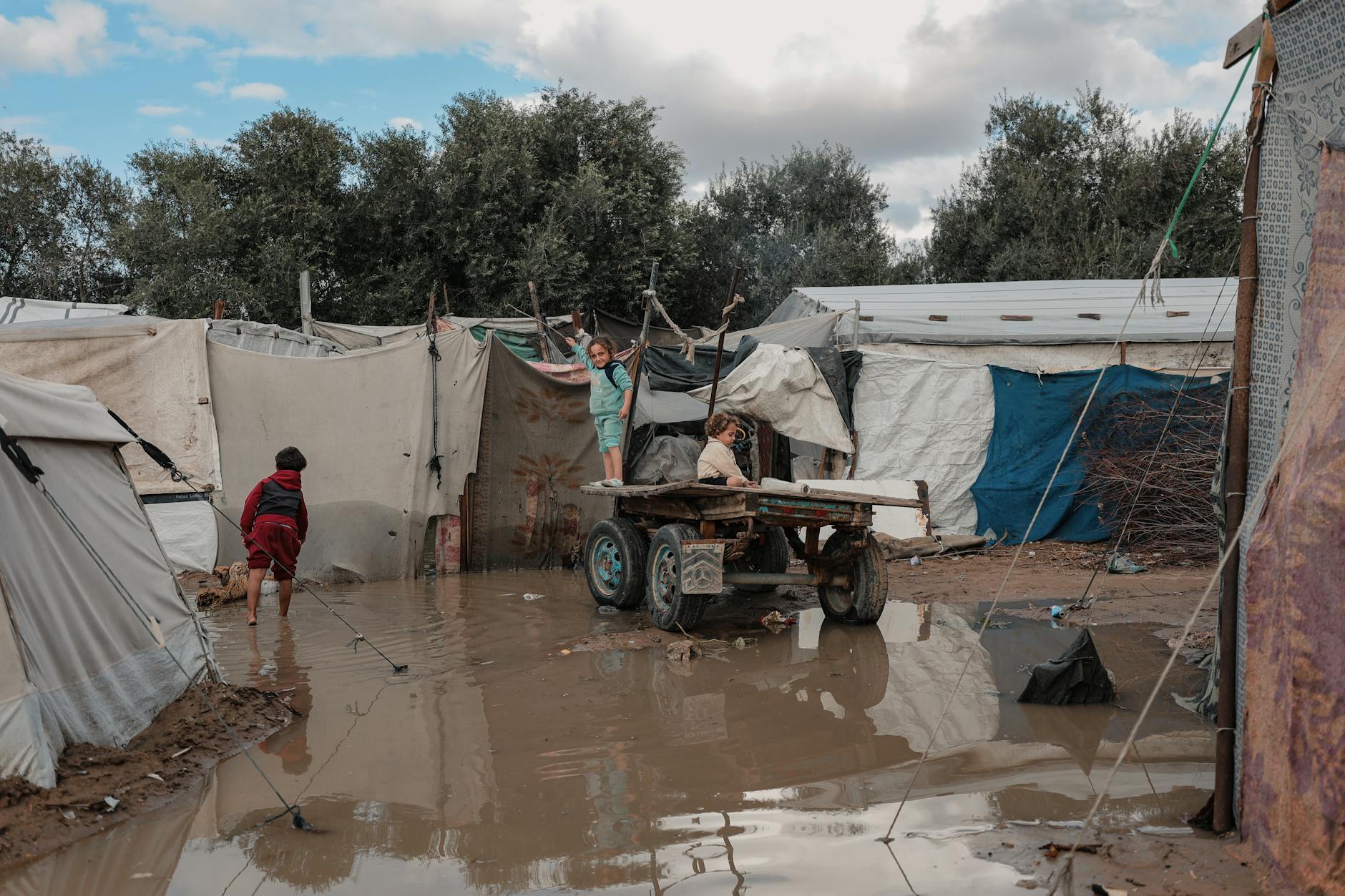
The humanitarian situation has reached a critical threshold as combat zones overlap with established aid distribution points. International organizations report that the delivery of flour, fuel, and medicine has dropped by 40% compared to the previous quarter. This decline is attributed to the closing of vital road networks during the recent military advance. Consequently, hospitals in the central and southern districts are operating on emergency generators with limited supplies.
“The window for meaningful humanitarian intervention is closing as the geography of the conflict shifts daily, making it nearly impossible to maintain stable supply chains for the two million people in need.”
The United Nations continues to monitor the deteriorating conditions through the OCHA humanitarian situation reports, which highlight the urgent need for expanded aid corridors. Data indicates that nutritional insecurity is rising among the most vulnerable populations, particularly children and the elderly. Furthermore, the lack of clean water has led to a spike in waterborne illnesses across the makeshift camps. Relief workers are calling for immediate localized pauses in fighting to allow for the safe passage of medical convoys.
What are the long-term implications for regional security?
The outcome of the current military expansion and the Cairo talks will likely define regional security for the next decade. If a ceasefire is reached, the focus will shift to a massive reconstruction effort that requires billions in international investment. Conversely, a failure in diplomacy could lead to a further intensification of the conflict, potentially drawing in other regional actors. This uncertainty has kept global energy markets and shipping routes in a state of high alert.
Security experts argue that a lasting peace requires more than just a cessation of fire; it necessitates a sustainable governance model. The 2026 negotiations are unique because they include discussions on long-term economic integration for the region. However, the trust gap between the parties remains the most significant obstacle to any permanent agreement. As the IDF continues its operations, the pressure on the Cairo delegations to deliver a result has never been higher.
As the situation evolves, the international community remains focused on the balance between security requirements and human rights. The coming weeks will determine whether the current military maneuvers lead to a decisive diplomatic breakthrough or a further extension of the crisis. Stakeholders must remain informed on these shifts to navigate the complex geopolitical and humanitarian landscape of 2026. Monitoring official updates and diplomatic communiqués will be essential for understanding the path toward a potential resolution.


