
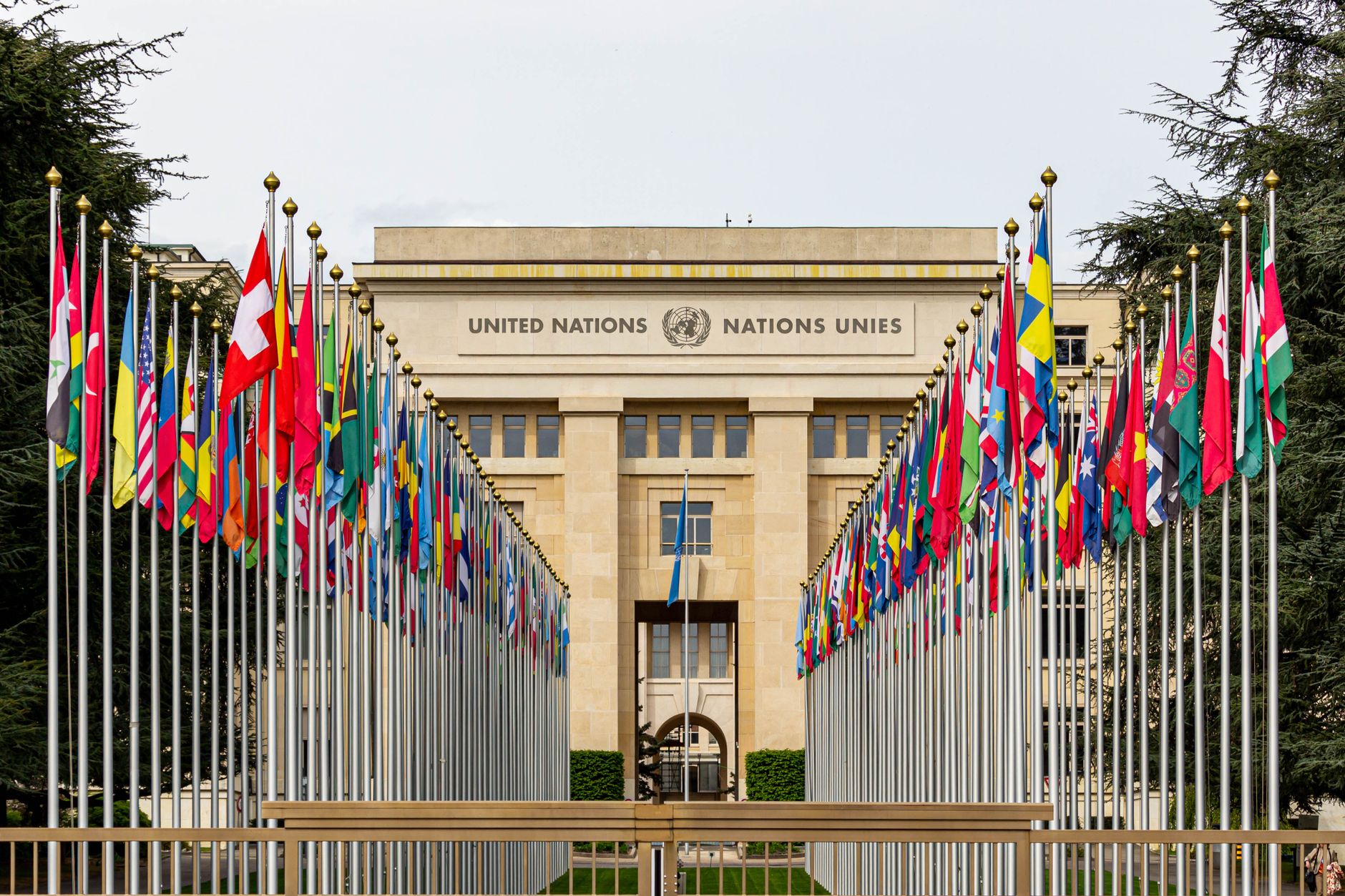
On January 15, 2026, a coalition of 22 nations, including Canada, the United States, and several European allies, issued a formal joint warning to Iran regarding its escalating use of transnational repression. The statement, delivered from a high-level security summit in The Hague, demands an immediate end to what the group describes as “lethal plotting” and “malign actions” targeting individuals on foreign soil. This coordinated diplomatic offensive marks a significant shift in how Western democracies respond to state-sponsored harassment and assassination attempts within their borders.
- Unified Front: 22 countries have pledged a collective response to Iranian threats on foreign soil.
- Security Focus: Canada is prioritizing the protection of the Iranian diaspora from state-sponsored intimidation.
- Policy Shift: The coalition has introduced new frameworks for coordinated sanctions and intelligence sharing.
In this report, you will learn about the specific security measures being implemented by the coalition and how these diplomatic tensions affect international relations in 2026. We will examine the nature of transnational repression and the evidence-backed strategies Canada is employing to safeguard its national sovereignty. This development follows years of mounting evidence regarding IRGC-linked operations in North America and Europe.
What is the significance of the joint condemnation?
The joint statement represents an unprecedented level of cooperation among Western intelligence communities. By naming Iran directly, the coalition has moved beyond private diplomatic channels into public accountability. This move signals that the 22 nations now view these “malign actions” as a shared threat to global stability rather than isolated criminal incidents. Consequently, the coalition has established a new protocol for immediate information sharing regarding credible threats.
Canada’s involvement is particularly noteworthy given its significant Iranian-Canadian population. For years, activists in Toronto and Vancouver have reported harassment by foreign agents. This new declaration provides a formal framework for the Canadian government to act on these reports. Furthermore, it reinforces Canada’s commitment to the rule of law and the protection of democratic dissidents.
How does transnational repression affect Canadian security?
Transnational repression occurs when a state reaches across borders to silence or coerce its citizens living abroad. In the Canadian context, this has manifested as digital surveillance, physical stalking, and threats against family members remaining in Iran. Security agencies have noted a sharp increase in these activities over the last 24 months. The Public Safety Canada framework on foreign interference identifies these actions as a direct violation of national sovereignty.
“We will not tolerate the intimidation of our residents by foreign entities who seek to export their domestic repression to our streets.”
The coalition’s statement specifically highlights “lethal plotting,” a term that refers to foiled assassination attempts and kidnappings. By acknowledging these plots publicly, the 22 nations are validating the concerns of human rights defenders. This validation is a critical step in building trust between the government and vulnerable diaspora communities. Moreover, it empowers local law enforcement to treat these cases with heightened priority.
What evidence supports the coalition’s claims?
The 22-nation group cited multiple intelligence reports detailing a pattern of aggressive behaviour. Since 2024, law enforcement agencies in Germany, Britain, and the United States have intercepted communications linked to state actors. These communications often involve the recruitment of local criminal elements to carry out violent acts. This “outsourcing” of violence is a hallmark of modern Iranian operations abroad.
Data from security analysts suggests that the frequency of these incidents has doubled since 2023. Specifically, digital forensics has traced sophisticated phishing campaigns back to servers associated with Iranian state infrastructure. These campaigns target the personal devices of journalists and academics who criticize the regime. Consequently, the coalition is now investing in enhanced cybersecurity support for high-risk individuals.
What diplomatic consequences will Iran face in 2026?
The 22 nations have outlined a tiered system of consequences if the “malign actions” continue. These include the expulsion of diplomatic staff and the freezing of assets linked to the Islamic Revolutionary Guard Corps (IRGC). Additionally, the group is considering a collective ban on certain state-affiliated entities from participating in international trade forums. This economic pressure is designed to make the cost of foreign operations prohibitively high.
Furthermore, Canada and its allies are exploring the creation of a “Global Dissident Protection Fund.” This fund would provide resources for relocation and physical security for those targeted by foreign regimes. By pooling resources, the coalition ensures that no single nation bears the financial burden of countering these threats. This collective approach also prevents the targeting of smaller nations that might otherwise lack the resources to resist foreign pressure.
What does this mean for the future of international relations?
This development suggests a hardening of the geopolitical divide between Western democracies and the Iranian government. As the coalition strengthens its defences, the likelihood of a diplomatic thaw remains low. Instead, the focus has shifted toward containment and the protection of democratic values. This strategy requires constant vigilance and a high degree of international trust.
The 2026 joint statement sets a precedent for how the international community might handle other states engaged in similar practices. By establishing a clear set of red lines, the coalition is creating a blueprint for defending national sovereignty in an era of globalized conflict. This proactive stance is essential for maintaining the safety of diverse populations in a connected world.
As these nations implement the new security protocols, the effectiveness of the coalition will depend on sustained cooperation. Canada’s role in this alliance remains pivotal as it balances its domestic security needs with its international obligations. Residents can expect to see increased transparency regarding foreign interference threats as the government works to fulfil the promises made in this historic joint warning.


