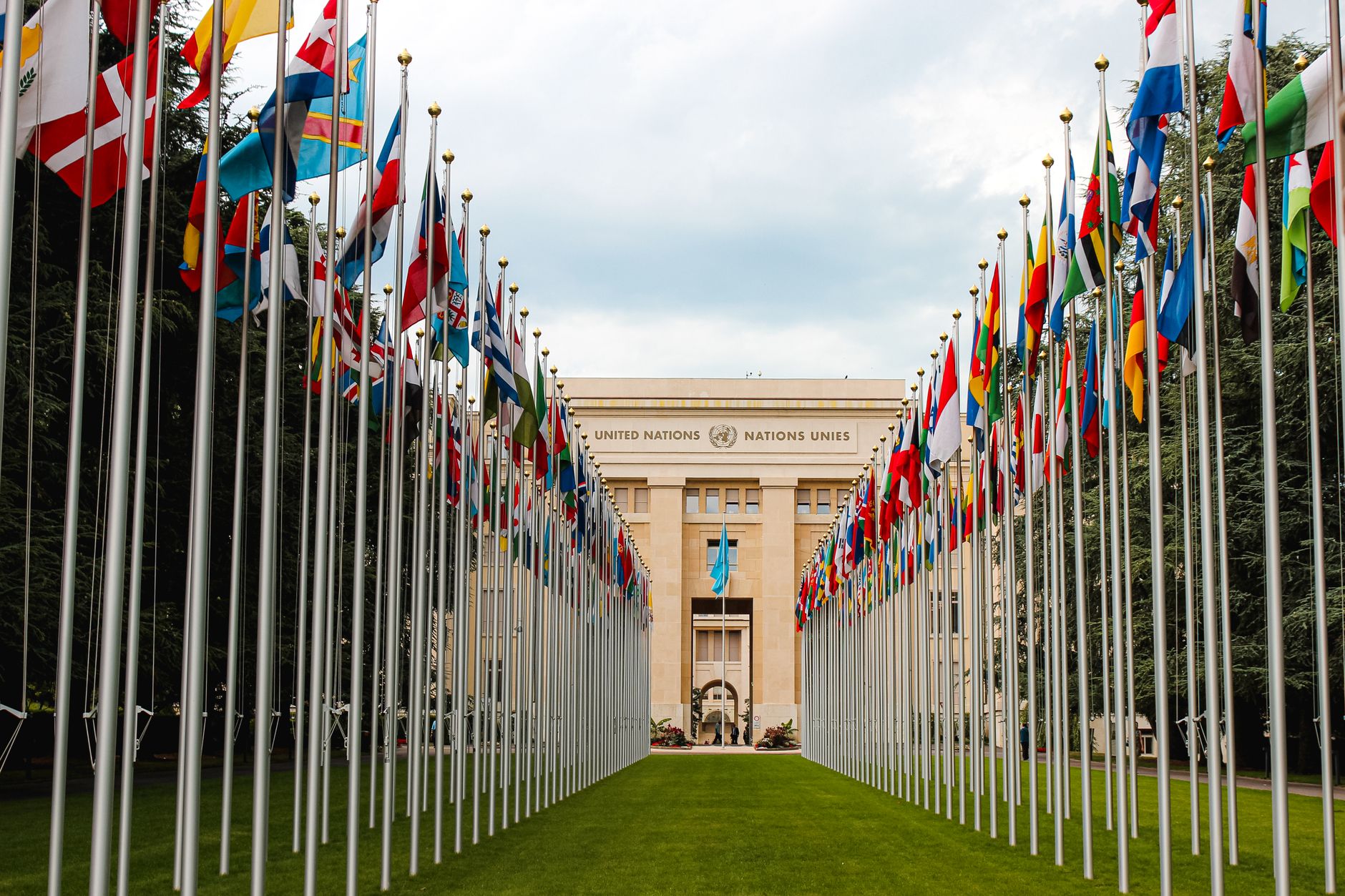
Prime Minister Mark Carney expanded Canada’s strategic influence this week by signing a landmark intelligence-sharing pact with France in Paris. The agreement, announced on October 14, 2026, marks a pivotal step in Carney’s middle-powers doctrine. This strategy aims to unite mid-sized nations to balance the influence of global hegemons. By strengthening ties with G7 partners outside of North America, Canada seeks to secure its sovereignty in an increasingly polarized world.
- Canada and France signed a new intelligence-sharing agreement to counter global hegemonic influence.
- The “middle-powers doctrine” focuses on multilateral cooperation among non-superpower nations.
- The pact emphasizes cybersecurity, maritime security, and collaborative diplomatic pressure.
Readers will learn how this new diplomatic framework reshapes Canada’s role on the world stage. We explore the specifics of the middle-powers doctrine and what it means for national security. This shift represents a departure from traditional reliance on singular superpowers for protection and economic stability.
How does the middle-powers doctrine redefine Canadian foreign policy?
The middle-powers doctrine suggests that countries like Canada, France, and Australia possess significant collective leverage. Prime Minister Carney first introduced this concept during a high-profile address in Davos earlier this year. He argued that middle powers must coordinate to prevent being caught in the crossfire of superpower rivalries. This approach prioritizes rules-based international order over bilateral concessions to larger states.
In Paris, Carney noted that the concept is “gaining real traction” among European and Indo-Pacific partners. The doctrine focuses on areas where mid-sized nations can lead, such as climate finance and digital regulation. By creating a “third pole” in global diplomacy, Carney hopes to mitigate the risks of economic decoupling. This strategy requires a robust network of trusted partners who share democratic values and economic interests.
What are the core components of the Canada-France intelligence pact?
The new agreement facilitates the seamless exchange of high-level signals intelligence and counter-terrorism data. It moves beyond existing Five Eyes protocols to address specific European and Arctic security concerns. Both nations have committed to joint monitoring of disinformation campaigns targeting democratic institutions. This cooperation extends to the protection of critical undersea infrastructure in the North Atlantic.
Technical teams from Ottawa and Paris will now hold quarterly strategic reviews. These sessions aim to align response protocols for cyberattacks on civilian infrastructure. According to official reports from Global Affairs Canada, this partnership strengthens the resilience of middle-power networks. The pact also includes a provision for shared research into artificial intelligence safety and ethics.
“The era of passive reliance on a single security umbrella is ending. Middle powers must now build their own rafters to weather the global storm together.”
Why is the shift toward multilateralism happening in 2026?
Global volatility has forced many nations to reconsider their traditional alliances. Recent trade disputes between major superpowers have disrupted global supply chains. Middle powers often face the brunt of these economic shifts without having a seat at the negotiating table. Carney’s doctrine provides a framework for these nations to act as a stabilizing force.
Data from recent geopolitical risk assessments indicates a 15% increase in non-aligned diplomatic initiatives over the last two years. Countries are increasingly seeking “strategic autonomy” to protect their internal markets. The Canada-France pact serves as a blueprint for similar agreements with Japan and Germany. These alliances focus on specific shared threats rather than broad, ideological alignments.
Expert perspectives on the new diplomatic landscape
Geopolitical analysts suggest that Carney’s background in international finance informs his diplomatic strategy. He views national security through the lens of systemic stability and risk management. Experts at the Centre for International Governance Innovation note that this doctrine empowers Canada to lead on niche global issues. However, some critics warn that this could strain relations with traditional superpower allies.
The focus on intelligence sharing is particularly significant for Canadian technology sectors. By aligning with France, Canada gains better access to European digital security standards. This alignment helps Canadian firms navigate complex international regulations more effectively. It also provides a buffer against unilateral trade actions from larger economies.
What are the long-term implications for Canadian security?
This pact ensures that Canada remains at the forefront of global intelligence gathering. It diversifies the sources of information available to Canadian security agencies. In the event of a regional crisis, Canada can now leverage a broader array of diplomatic tools. The middle-powers doctrine provides a safety net that is not entirely dependent on the political climate of a single neighbor.
For the average citizen, this shift means a more proactive approach to protecting digital privacy and national infrastructure. The government is signaling that it will take independent steps to secure Canadian interests. As Carney continues his European tour, more nations are expected to join this emerging coalition. Strengthening these ties ensures that Canada remains a relevant and resilient player in the 21st-century global economy.