
In May 2026, a dedicated group of veteran athletes in Meru, Kenya, is transforming the landscape of global distance running by proving that peak performance persists well into the senior years. These members of a self-funded athletics club are challenging traditional perceptions of aging through rigorous daily training and competitive participation in regional meets. By leveraging the unique geography of the central highlands, these runners are not only maintaining their physical health but are also establishing a new cultural standard for the Kenya senior athletics trend.
- Meru’s self-funded running clubs are creating a sustainable model for senior health and community engagement.
- High-altitude training in the Kenyan highlands remains a primary driver for endurance longevity in athletes over 60.
- The movement highlights a growing global shift toward competitive masters athletics as a tool for preventative healthcare.
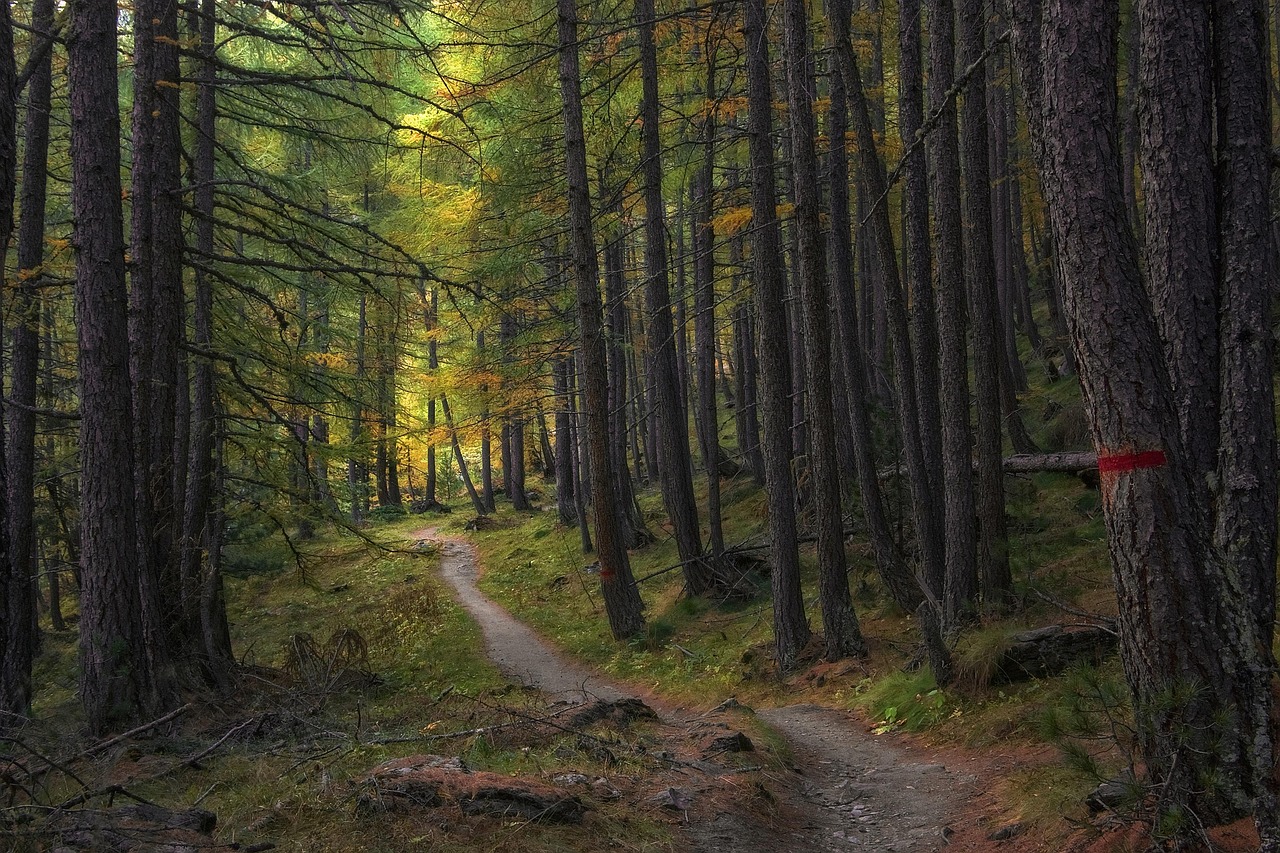
The central highlands of Kenya have long been the cradle of world-class distance runners. Historically, the focus remained on young prospects aiming for international gold medals and lucrative sponsorships. However, a grassroots shift is occurring as retired professionals and lifelong enthusiasts form independent collectives to sustain their competitive edge. These athletes, often in their 60s and 70s, are now a common sight on the winding, high-altitude trails of Meru County.
How is the Meru athletics club changing the Kenya senior athletics trend?
The Meru athletics club operates on a model of self-reliance and collective contribution. Members pool their resources to cover the costs of coaching, equipment, and travel to various competitions across East Africa. This financial independence allows them to bypass the bureaucratic hurdles often associated with national sports federations. Consequently, they maintain full control over their training schedules and competition choices.
The club serves as both a fitness hub and a social support network. Many members report that the camaraderie found in group training is as vital as the physical exercise itself. This social cohesion addresses the isolation often felt by seniors in rapidly urbanizing areas. As more veterans join the ranks, the club’s influence is spreading to neighbouring counties, sparking a regional interest in senior-specific sporting events.
Furthermore, these athletes are redefining what it means to be a “veteran” in the sport. Instead of moving toward low-impact activities, they continue to engage in high-intensity interval training and long-distance endurance runs. This persistence is catching the attention of sports scientists who are eager to study the physiological markers of these high-performing seniors.
What makes the central highlands ideal for veteran endurance training?
The geography of Meru provides a natural advantage for any endurance athlete. Situated at an elevation of approximately 1,500 metres above sea level, the thin air forces the body to produce more red blood cells. For older runners, this environmental factor helps maintain cardiovascular efficiency that typically declines with age. The temperate climate of the highlands also allows for year-round training without the risk of extreme heat exhaustion.
The rugged terrain of the highlands offers a variety of surfaces that are beneficial for joint health. Running on soft red dirt paths rather than paved roads reduces the impact on knees and ankles. This is a critical consideration for athletes who wish to remain active for decades. Local coaches emphasize the importance of these natural trails in preventing common overuse injuries seen in urban running environments.
“The mountains do not care about the year you were born; they only care about the strength of your lungs and the resolve in your legs.”
According to the official masters standards and competition frameworks established by World Athletics, the participation of athletes over the age of 50 has seen a significant global increase since 2020. The Meru runners are a localized manifestation of this international trend, proving that the Kenyan running culture is adaptable across all life stages.
How does competitive running impact the health of aging populations?
The health benefits of sustained athletic competition in later life are well-documented. Regular participation in high-level running improves bone density, metabolic rate, and cognitive function. In Meru, the local healthcare providers have noted a decrease in lifestyle-related illnesses among the club’s members. Conditions such as type 2 diabetes and hypertension are managed more effectively through the rigorous demands of the sport.
Expert data from regional health centres suggests that the active lifestyle of these runners contributes to a higher quality of life. By maintaining a high level of physical literacy, these seniors remain independent for longer. They also serve as powerful role models for the younger generation, demonstrating the long-term rewards of a disciplined lifestyle. The psychological impact is equally profound, as the goal-oriented nature of competition provides a sense of purpose and achievement.
The economic implications of this trend are also worth noting. As the senior population in Kenya grows, the demand for senior-specific fitness apparel and nutritional products is increasing. Local businesses in Meru are beginning to cater to this demographic, recognizing the purchasing power of active, health-conscious retirees. This shift is creating a micro-economy centred around the wellness of the elderly.
Why is self-funded community support vital for older athletes?
In many developing economies, government funding for sports is heavily skewed toward youth development. This leaves a gap for older athletes who still wish to compete. The self-funded nature of the Meru club ensures that their programmes remain sustainable without relying on external grants. This autonomy fosters a sense of ownership and pride among the members, who see themselves as pioneers of a new sporting era.
The club’s success is built on a foundation of mutual mentorship. Experienced former champions share their knowledge of pacing and recovery with those who took up running later in life. This transfer of knowledge ensures that the training remains safe and effective for all participants. The model demonstrates that with collective effort, communities can create their own pathways to healthy aging.
As the 2026 season progresses, the Meru runners are preparing for several high-profile masters events. Their presence on the starting line is a testament to the enduring human spirit and the biological potential of the aging body. By continuing to push their limits, they are providing a blueprint for senior wellness that resonates far beyond the borders of Kenya. The trails of the central highlands are no longer just a training ground for the youth; they are a sanctuary for those who refuse to let age dictate their pace.


