
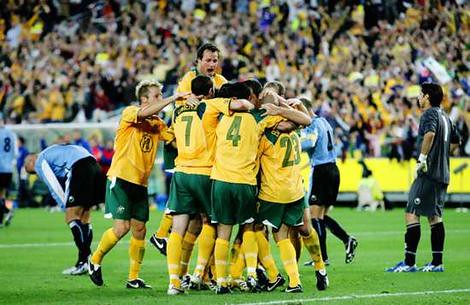
Australia’s Socceroos delivered a tactical masterclass in North America this Tuesday, defeating Turkiye 2-0 in their opening Group D fixture of the 2026 FIFA World Cup. The victory, fueled by a breakout performance from Nestory Irankunda and a late sealer by Connor Metcalfe, places Australia in a prime position to advance. This result marks a significant upset against a Turkish side that dominated possession but failed to breach the Australian defence. Readers will learn about the specific tactical shifts that led to this victory and how the Group D standings have shifted following this result.
- Australia leads Group D after a clinical 2-0 win over Turkiye.
- Nestory Irankunda scored the opener following a 40-metre solo sprint.
- The Socceroos maintained a disciplined low block, limiting Turkiye to two shots on target.
How did the Socceroos dismantle the Turkish defence?
The 2026 World Cup features an expanded 48-team format, increasing the stakes for every opening match. Australia entered the tournament as underdogs in a group containing several European heavyweights. However, head coach Tony Popovic implemented a rigid defensive structure that frustrated the Turkish midfield from the opening whistle. This victory represents Australia’s first opening-match win at a World Cup since 2006.
Turkiye controlled nearly 65% of the ball during the first half in Vancouver. They utilized short passing circuits to try and pull the Australian centre-backs out of position. Despite this pressure, Harry Souttar and Kye Rowles remained composed, clearing twelve crosses in the first thirty minutes alone. This defensive resilience provided the foundation for Australia’s lightning-fast transitions.
When did the momentum shift for Australia?
The deadlock finally broke in the 38th minute through a moment of individual brilliance. Following a failed Turkish corner, the ball fell to Nestory Irankunda at the edge of his own penalty area. The 20-year-old winger utilised his explosive pace to outrun three defenders over a 60-metre distance. He then calmly slotted the ball into the bottom left corner, silencing the vocal Turkish supporters.
Australia’s strategy relied heavily on these vertical bursts. By sitting deep, they created vast pockets of space behind the Turkish high line. This tactical choice forced Turkiye to commit more players forward, leaving them vulnerable to the long ball. The Socceroos’ ability to transition from defence to attack in under ten seconds was the defining feature of the match.
“We knew they would have the ball, but we controlled the space. The boys executed the plan perfectly.”
What do the statistics say about the match performance?
Data from the match highlights a stark contrast in efficiency between the two nations. While Turkiye registered 18 shots, only two forced a save from Australian goalkeeper Maty Ryan. In contrast, Australia produced four shots on target from just six total attempts. This high conversion rate suggests a level of clinical finishing rarely seen from the Socceroos on the world stage.
According to the official FIFA World Cup tournament hub, Australia covered 112 kilometres as a team. This physical output was essential for maintaining their defensive shape for 90 minutes. Connor Metcalfe’s 82nd-minute goal was the result of this superior conditioning. He made a late run into the box to tap in a cross from Jordan Bos, effectively ending any hopes of a Turkish comeback.
Key Match Statistics:
- Possession: Australia 35% – Turkiye 65%
- Total Shots: Australia 6 – Turkiye 18
- Pass Accuracy: Australia 78% – Turkiye 89%
- Goals: Irankunda (38′), Metcalfe (82′)
Why does this result matter for the Group D standings?
This 2-0 victory provides Australia with three crucial points and a healthy goal difference. In a tournament where third-place teams can still qualify, this margin of victory is vital. Turkiye must now secure points in their remaining fixtures against higher-seeded opponents to stay in the competition. The result has sent shockwaves through the group, as Australia was previously predicted to finish last.
Tactical analysts suggest that Australia’s performance provides a blueprint for other underdog nations. By prioritizing structural integrity over ball retention, they negated Turkiye’s technical superiority. The Socceroos will likely employ a similar strategy in their upcoming match against the group favourites. This win has significantly boosted the team’s confidence heading into the second round of fixtures.
The Socceroos have proven that disciplined counterattacking football remains a potent weapon in the modern game. As the tournament progresses through North America, Australia’s blend of youth and experience will be tested further. Fans can expect the team to maintain this high-intensity approach as they aim for their sights on the knockout rounds. This victory in Vancouver will be remembered as a historic night for Australian football on the global stage.


