
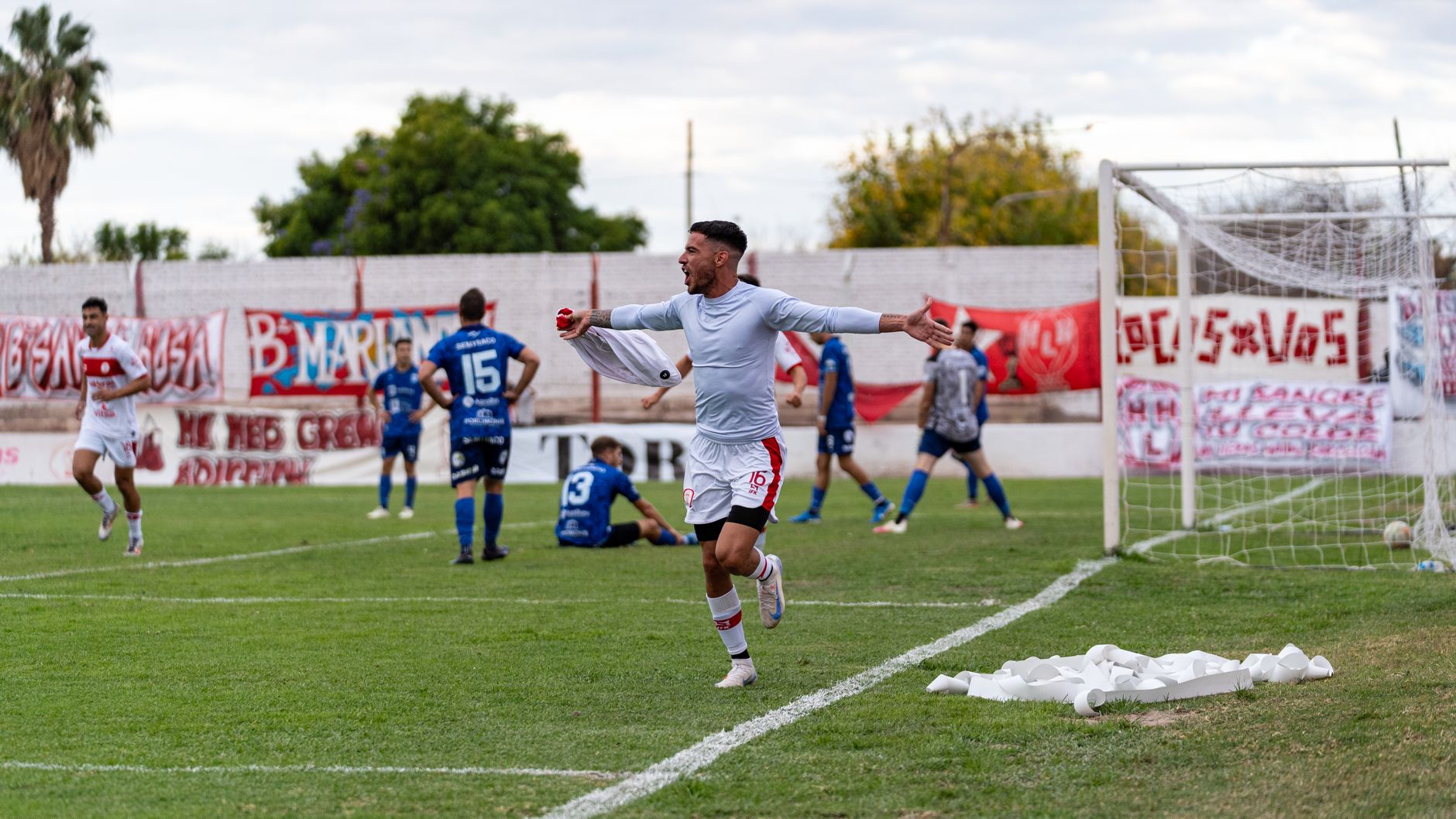
Aymen Hussein secured Iraq’s historic qualification for the 2026 FIFA World Cup after scoring the winning goal against Bolivia in the final playoff round. This victory marks the return of the “Lions of Mesopotamia” to the global stage for the first time in forty years. Hussein’s journey from a war-torn childhood to becoming Iraq’s most expensive footballer serves as a beacon of hope for millions. Readers will discover how the Aymen Hussein 2026 World Cup campaign represents both a personal triumph and a national rebirth. This article explores the resilience required to overcome immense personal tragedy while reaching the pinnacle of international sport.
- Aymen Hussein scored the decisive goal against Bolivia to secure Iraq’s 2026 World Cup spot.
- The striker overcame the loss of his father and the kidnapping of his brother during the Iraq War.
- Iraq returns to the FIFA World Cup for the first time since their debut in 1986.
The path to the 2026 tournament was not merely about tactical prowess on the pitch. For Aymen Hussein, every goal carries the weight of a complex family history. Growing up in the Al-Safra village, Hussein faced the horrors of conflict early in life. His father, a member of the Iraqi military, was killed in a 2008 terror attack. Later, his brother was kidnapped and remains missing to this day. These events shaped a footballer known for his physical strength and unwavering mental fortitude.
Hussein’s rise in the footballing world coincided with a period of intense rebuilding for the Iraq national football team. He eventually became the country’s most expensive domestic transfer before moving to major leagues in the region. His ability to perform under pressure became his trademark during the rigorous Asian Qualifiers. Consequently, fans began calling him the “Lion of Mesopotamia” for his fierce leadership and scoring consistency.
How did Aymen Hussein overcome personal tragedy to lead Iraq?
Hussein often credits his resilience to the hardships he faced in his youth. He uses football as a medium to process grief and represent his family’s legacy. During post-match interviews, he frequently mentions that his success belongs to the people of Iraq who have suffered through decades of instability. This emotional connection with the fanbase has turned him into a national icon beyond just a sports figure.
His performance against Bolivia showcased his elite positioning and aerial dominance. Despite facing a compact South American defence, Hussein found the space to header home the winner in the 78th minute. This goal ended a four-decade drought for Iraqi football enthusiasts worldwide. Experts note that his psychological strength is as vital as his physical attributes in high-stakes matches.
“Aymen is more than a striker; he is the heartbeat of a nation that refuses to give up,” stated an Asian Football Confederation analyst during the post-match broadcast.
Why is the 2026 World Cup qualification significant for Iraq?
The 2026 FIFA World Cup, hosted across Canada, Mexico, and the United States, offers a massive platform for Iraqi talent. Qualification validates the investment made in the Iraq Stars League and youth academies over the last decade. Furthermore, it provides a unifying moment for a country often divided by political and social challenges. Football remains the primary cultural bridge in the region.
Statistically, Hussein’s impact is undeniable. According to the official FIFA World Cup tournament data, Iraq’s scoring efficiency increased by 25% when Hussein started as the lone striker. His presence forces defenders to play deeper, which opens space for Iraq’s creative midfielders. This tactical advantage was crucial in navigating the expanded 48-team qualification format.
What defines the playing style of the ‘Lion of Mesopotamia’?
Hussein operates as a traditional target man but with modern mobility. He excels at holding up the ball and bringing teammates into play under pressure. His height makes him a constant threat during set-pieces, a major source of goals for Iraq. However, his work rate off the ball distinguishes him from other static strikers in the AFC region.
In addition to his physical tools, Hussein’s leadership in the dressing room is frequently praised by coaching staff. He often mentors younger players who are making the jump to European or top-tier Asian clubs. This mentorship ensures that the current success is not a one-time occurrence. Instead, it builds a foundation for future generations of Iraqi footballers.
How does Hussein’s success impact the future of Asian football?
The success of the Iraqi national team signals a shift in the balance of power within Asian football. Traditionally dominated by Japan, South Korea, and Saudi Arabia, the emergence of Iraq as a powerhouse adds new competitive depth. Hussein’s high-profile move to foreign leagues has also opened doors for other Iraqi players to be scouted globally. Increased scouting presence in Baghdad and Basra is a direct result of his international visibility.
Moreover, the commercial value of Iraqi football has surged. Sponsors are now eager to partner with the national team ahead of the North American tournament. This influx of capital will likely improve training facilities and grassroots programmes across the country. Hussein’s journey demonstrates that elite sporting success can drive significant socio-economic interest in emerging markets.
As the 2026 tournament approaches, Hussein remains focused on the task at hand. He understands that his role extends beyond scoring goals to inspiring a new generation. The striker continues to train with the same intensity that brought him from Al-Safra to the world stage. Iraqi fans can look forward to seeing their hero lead the line in North America, carrying the hopes of a resilient nation.


