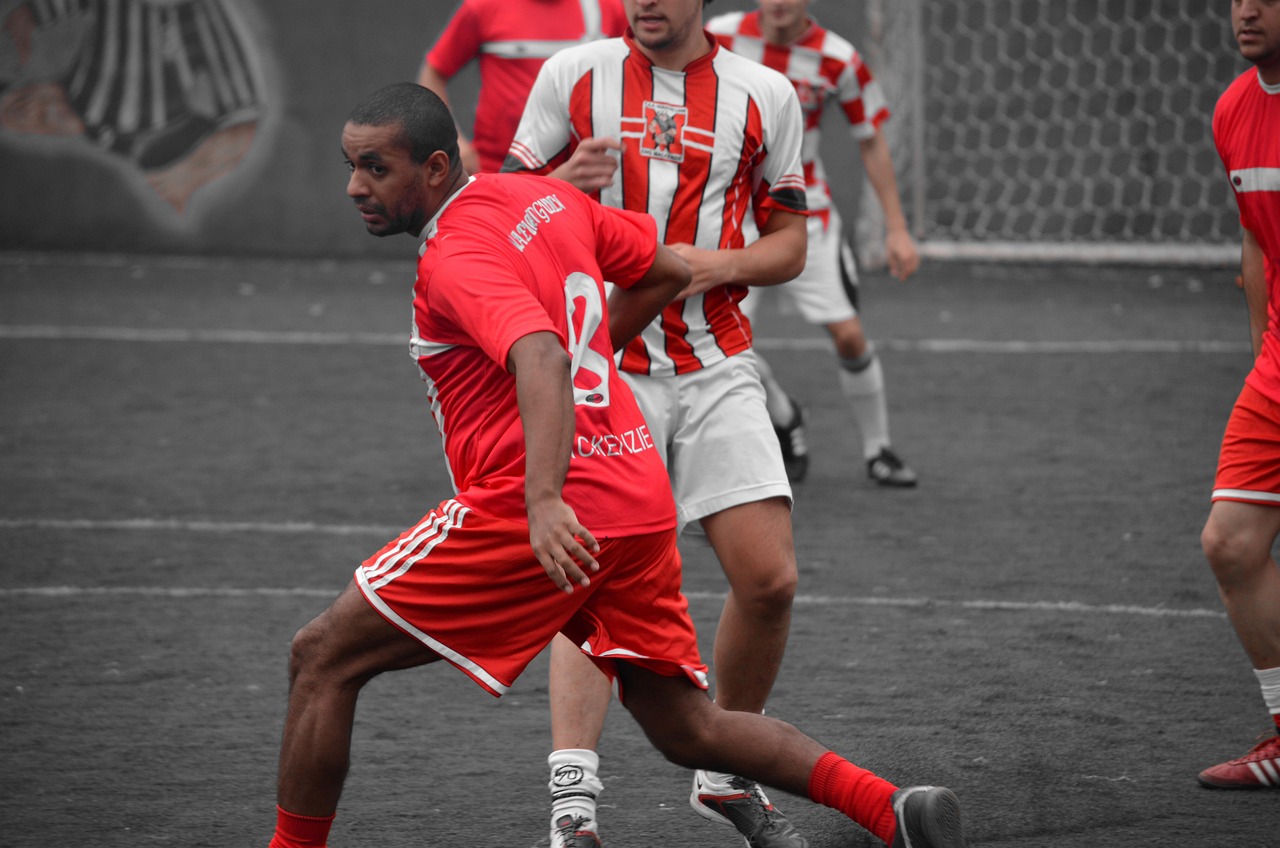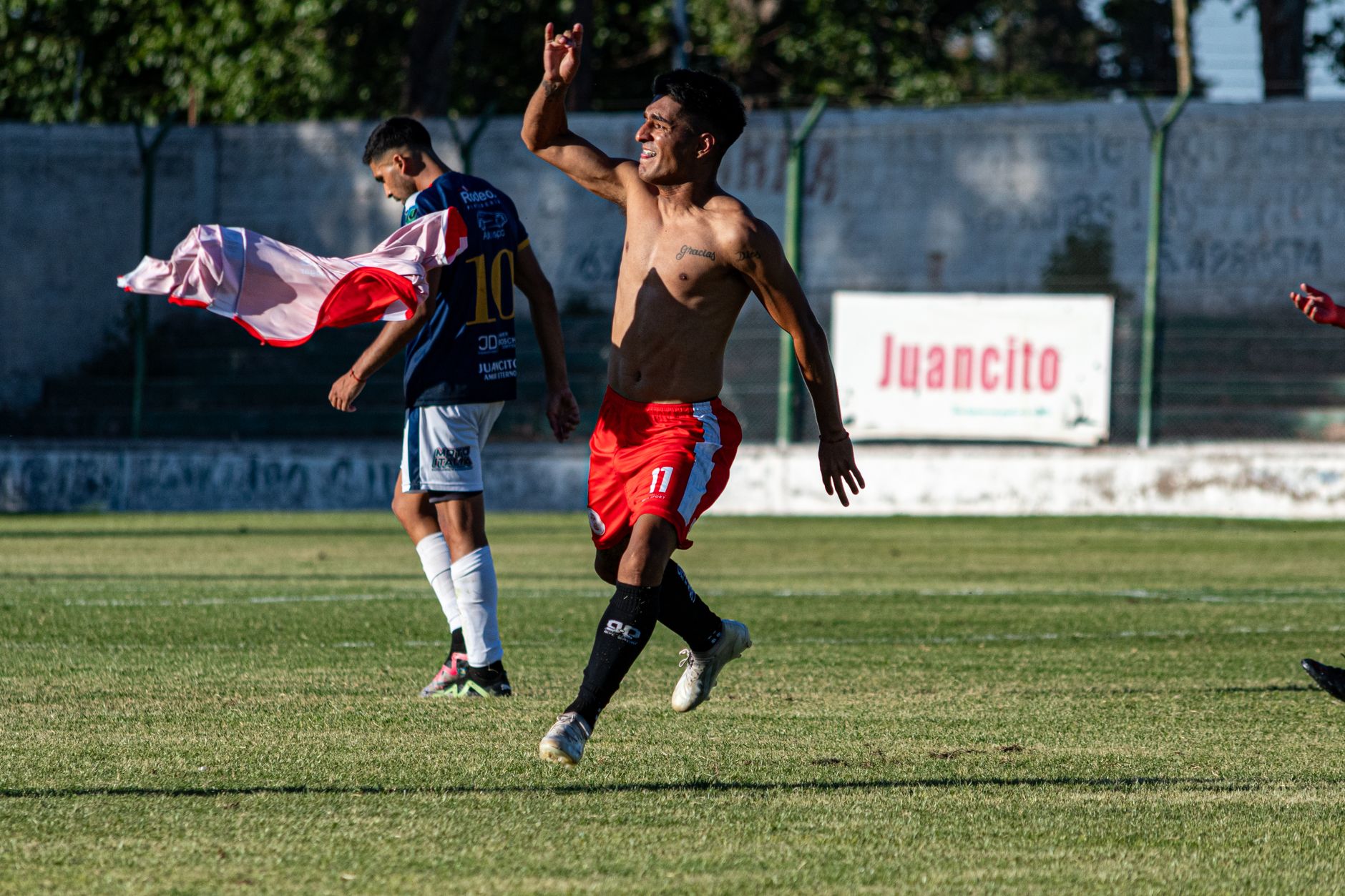
On June 13, 2026, Brazil and Morocco played to a 1-1 draw during a high-stakes FIFA World Cup group match at MetLife Stadium. Vinicius Junior scored a stunning second-half equalizer to rescue the Seleção after Ismael Saibari gave the Atlas Lions an early lead. This result leaves Group B in a state of flux as both teams prepare for their final opening-round fixtures. Readers will gain insights into the tactical shifts and individual performances that defined this encounter during the World Cup 2026 group match analysis.
- Vinicius Junior continues to be Brazil’s most reliable offensive threat under pressure.
- Morocco’s defensive discipline remains a benchmark for rising footballing nations.
- The 1-1 draw complicates the qualification path for both teams in Group B.
How did Morocco disrupt the Brazilian rhythm?
Morocco entered the pitch with a clear defensive strategy designed to frustrate Brazil’s creative midfielders. Manager Walid Regragui deployed a compact 4-1-4-1 formation that restricted space between the lines. This disciplined approach forced Brazil to circulate the ball horizontally without penetrating the final third.
The Atlas Lions capitalized on a counter-attack in the 18th minute. Ismael Saibari found space at the edge of the penalty area. He unleashed a powerful low drive that beat Alisson Becker at the near post. This goal silenced the massive Brazilian contingent in the stands.
Morocco maintained this intensity throughout the first half. Their midfield trio effectively neutralised Lucas Paquetá and Bruno Guimarães. Brazil struggled to find their typical flair as the Moroccan press remained relentless. Every Brazilian touch was met with immediate physical pressure from the Moroccan defenders.
What sparked the Brazilian comeback in the second half?
Brazil returned from the tunnel with renewed tactical urgency. Manager Dorival Júnior adjusted the team’s width to stretch the Moroccan backline. He instructed his wingers to stay wider and challenge the full-backs in one-on-one situations. This shift created the necessary gaps for Vinicius Junior to operate.
The breakthrough arrived in the 64th minute. Vinicius Junior received the ball on the left flank. He beat two defenders with a trademark burst of speed and clinical footwork. His curling effort found the top corner of the net, restoring parity for the five-time world champions.
This goal shifted the momentum entirely toward the South American side. Brazil dominated possession for the final twenty minutes of the match. They created several half-chances through Rodrygo and Endrick. However, the Moroccan goalkeeper, Yassine Bounou, produced two world-class saves to keep the score level.
Statistical insights and expert perspectives
Data from the match highlights the tactical battle that took place in New Jersey. Brazil finished with 62% possession but managed only four shots on target. Morocco proved more efficient, creating three clear-cut chances from just 38% of the ball. This efficiency reflects the growing tactical maturity of African squads on the global stage.
“Brazil found themselves in a tactical cage for sixty minutes. It took a moment of individual brilliance from Vinicius to break the lock,” noted one senior analyst.
Historical trends suggest that Brazil often struggles against well-organized defensive blocks in the group stages. This match followed that pattern closely. Morocco utilized their physical advantage in aerial duels, winning 58% of headers in their own box. Fans can track the evolving standings and official rules via the FIFA World Cup 2026 tournament regulations for more context on tie-breaking procedures.
What does this result mean for Group B?
The draw creates a complex scenario for the final day of group play. Both Brazil and Morocco currently sit on four points after two matches. A win in their respective final games will guarantee a spot in the knockout rounds. However, goal difference will likely determine who finishes at the top of the group.
Finishing first is a significant advantage in the expanded 48-team format. It usually ensures a theoretically easier opponent in the round of 32. Brazil will face a stubborn defensive side in their next outing. They must find ways to score without relying solely on individual magic from their stars.
Future implications for the Atlas Lions
Morocco has proven that their 2022 semi-final run was not a fluke. They possess the technical skill to compete with the world’s elite teams. Their performance against Brazil sends a strong message to other title contenders. They are no longer just participants but genuine threats in the tournament.
Ismael Saibari’s performance has likely caught the eye of major European scouts. His ability to perform on the biggest stage adds value to his growing reputation. Morocco’s blend of European-based talent and domestic grit remains their greatest strength. They will look to carry this confidence into their final group match to secure a historic seeding.
The 1-1 draw serves as a reminder of the competitive parity in modern international football. Brazil must refine their offensive patterns to avoid similar frustrations in later rounds. Morocco will focus on maintaining their defensive integrity while seeking more consistency in transition. Both teams remain in a strong position to advance if they maintain this level of intensity. Supporters should expect tactical adjustments as the pressure of the knockout stage approaches.