President Donald Trump confirmed on Sunday that the United States and the Iranian regime have finalized a comprehensive peace agreement. This historic announcement, made during a televised address, signals a definitive end to years of escalating regional hostilities. By resolving long-standing disputes over nuclear development and economic sanctions, the accord aims to reshape the geopolitical landscape of the Middle East. This Trump Iran peace deal offers a new roadmap for international security and global economic cooperation in 2026.
Understanding this development is crucial for global investors and policy analysts alike. This report examines the specific terms of the agreement and its immediate impact on international trade. You will learn about the verification mechanisms involved and how this shift influences Canadian energy interests and global security protocols.
- Full restoration of diplomatic channels between Washington and Tehran for the first time in decades.
- Phased removal of primary economic sanctions in exchange for strict, permanent nuclear oversight.
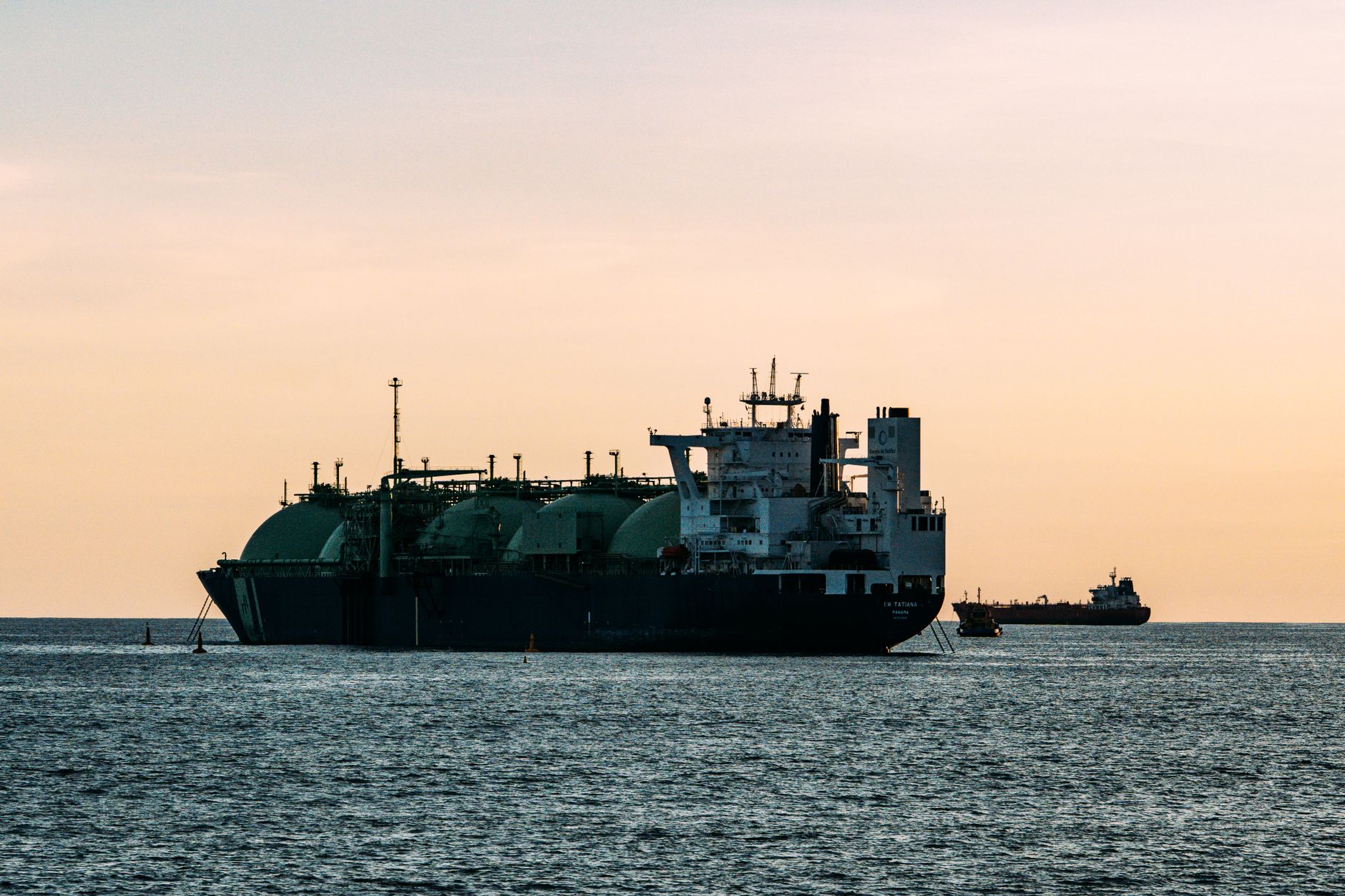
- Establishment of a regional security framework to prevent maritime conflicts in the Strait of Hormuz.
How does the 2026 peace deal change global security?
The agreement fundamentally alters the security architecture of the Persian Gulf. For decades, the threat of naval skirmishes and drone strikes defined the region. This deal mandates the withdrawal of certain paramilitary forces from border zones. Furthermore, it establishes a direct communication hotline between military commanders to prevent accidental escalations.
International observers suggest that the deal could lead to a broader regional realignment. Diplomatic sources indicate that several neighbouring nations were consulted during the final stages of negotiation. This collaborative approach aims to ensure that the peace is sustainable and inclusive of regional concerns. Consequently, the risk of a large-scale kinetic conflict in the Middle East has reached its lowest point in a generation.
The deal also addresses the proliferation of advanced weaponry. Under the new terms, both parties agree to limits on ballistic missile testing and exports. This provision specifically targets the technology transfers that previously fueled proxy conflicts. By reducing the flow of arms, the agreement seeks to lower the intensity of localized disputes across the region.
What are the economic implications for the energy sector?
Global markets reacted immediately to the news of the completed deal. Crude oil futures saw a sharp adjustment as traders anticipated the return of Iranian supply to the global market. For Canada, a major energy exporter, this shift necessitates a strategic re-evaluation of production targets. Increased Iranian output could lead to a more competitive pricing environment for heavy crude.
Investors are now looking toward the lifting of banking restrictions. The removal of sanctions allows Iran to rejoin the SWIFT banking system, facilitating easier international transactions. This change is expected to open new avenues for Western consumer goods and infrastructure projects. Meanwhile, the stabilization of the region may lower insurance premiums for shipping companies operating in the Gulf.
Specifically, the energy sector in Alberta may face short-term volatility. However, long-term stability in the Middle East often leads to more predictable global demand. Analysts predict that the influx of Iranian oil will be gradual to avoid a total market collapse. This phased approach provides time for global producers to adjust their capital expenditure plans accordingly.
How will international monitors verify the peace terms?
Verification remains the cornerstone of the agreement’s long-term viability. The deal utilizes advanced satellite surveillance and on-the-ground inspections to ensure compliance. Both nations have agreed to a transparency protocol that exceeds previous international standards. This includes unannounced visits to facilities that were previously off-limits to foreign observers.
The agreement relies heavily on established International Atomic Energy Agency verification protocols to ensure all nuclear activity remains peaceful. These measures provide the international community with the data needed to build trust. If a violation is detected, a snapback mechanism allows for the immediate re-imposition of sanctions. This structure ensures that both sides remain incentivized to uphold their commitments.
“The success of this accord depends entirely on the rigour of the inspection regime and the political will to enforce it,” stated a senior diplomatic analyst during a briefing on the deal.
What does this mean for Canadian trade and diplomacy?
For Canada, the peace deal presents both challenges and opportunities. The federal government will likely need to update its own sanctions list to align with the new international framework. This could allow Canadian firms in the agricultural and medical sectors to explore new export markets. Historically, Canadian expertise in these fields has been in high demand within the region.
Moreover, the deal may lead to the reopening of diplomatic missions. Restoring a formal presence in Tehran could provide better consular services for the Iranian-Canadian community. It also allows Canada to play a more active role in regional peace-building initiatives. Strengthening these ties could enhance Canada’s influence in Middle Eastern security dialogues.
Ultimately, the completion of this deal marks a transition from a policy of confrontation to one of engagement. While skepticism remains among some stakeholders, the economic and security incentives for peace are substantial. As the implementation phase begins, the world will be watching to see if this diplomatic breakthrough can deliver the promised stability. Businesses and governments must now adapt to a global landscape where one of its most persistent flashpoints has been neutralized.