On October 14, 2026, high-level representatives from the United States and Iran signed the Comprehensive Peace and Cooperation Treaty in Geneva, Switzerland. This landmark agreement effectively ends decades of military posturing and economic sanctions that have defined Middle Eastern geopolitics for a generation. Brokered through months of intensive mediation by Pakistan and Qatar, the deal establishes a framework for normalized diplomatic relations. In this article, you will learn about the specific terms of the Iran-US peace deal 2026 and its immediate impact on global security and energy prices.
- Immediate cessation of all direct military provocations and offensive cyber-operations.
- A phased lifting of primary and secondary sanctions on Iranian oil and gas exports.
- Restoration of full diplomatic channels, including the reopening of embassies in Washington and Tehran.
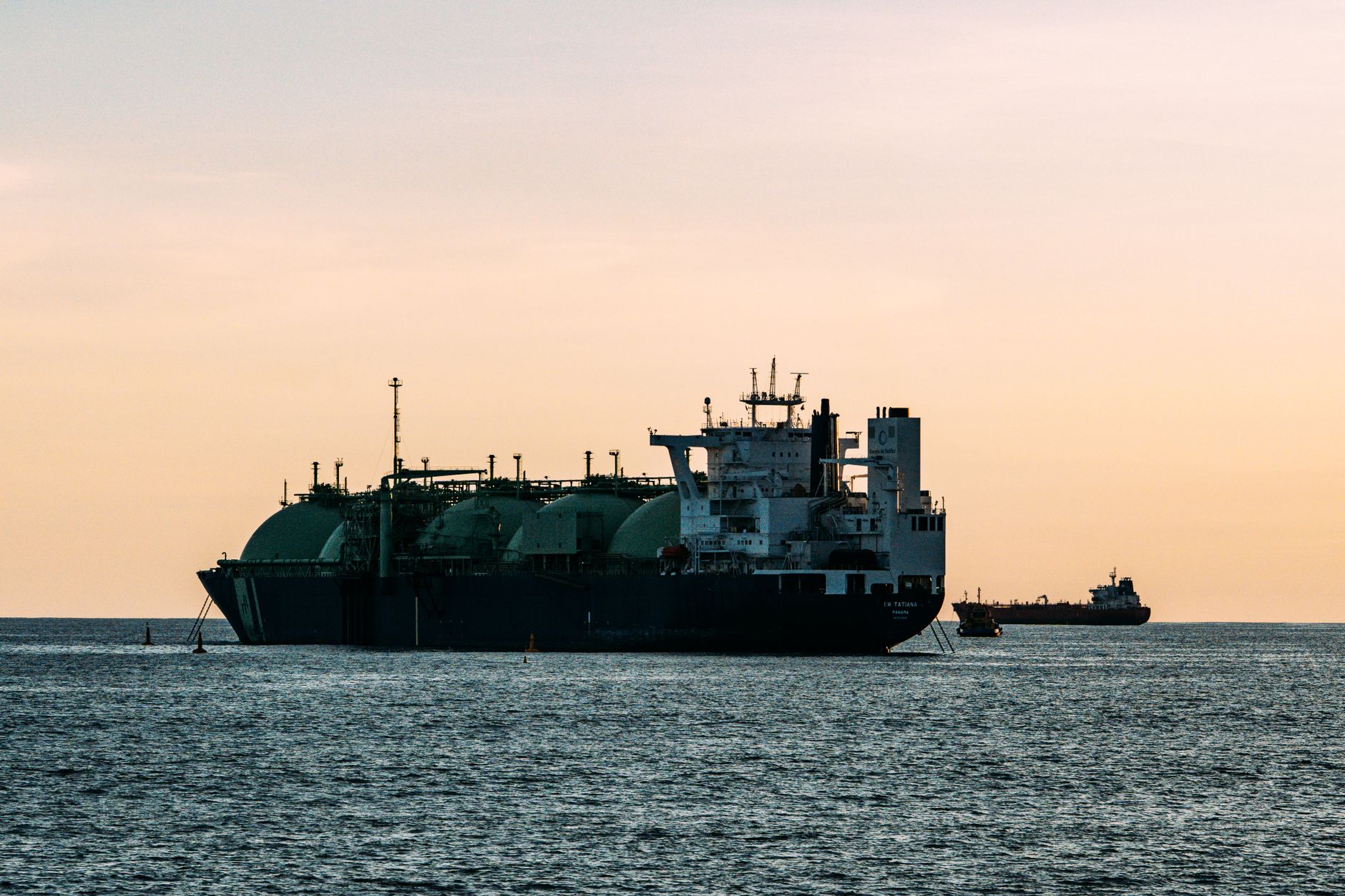
- Implementation of a new maritime security protocol in the Strait of Hormuz.
The signing ceremony follows years of escalating tensions that frequently threatened to disrupt the global economy. For Canadian observers, the agreement offers a potential reprieve from the volatile energy costs and supply chain disruptions that have persisted since the early 2020s. Pakistan and Qatar have both lauded the agreement as a vital step towards lasting tranquillity in a region long plagued by proxy conflicts.
What are the primary terms of the Geneva Accord?
The 2026 accord focuses on three main pillars: nuclear transparency, economic reintegration, and regional non-interference. Iran has agreed to enhanced monitoring of its nuclear facilities by international inspectors. In exchange, the United States will begin unfreezing billions of dollars in Iranian assets held in foreign banks. This financial liquidity is expected to stabilize the Iranian rial and open new avenues for Western humanitarian trade.
Furthermore, the treaty includes a mutual non-aggression pact. Both nations have committed to resolving future disputes through a permanent bilateral commission established in Doha. This mechanism aims to prevent small-scale skirmishes from escalating into full-scale warfare. According to the United Nations mandate for international peace and security, such frameworks are essential for preventing regional contagion of conflict.
How will the deal affect global oil markets and the Canadian economy?
Market analysts predict a significant shift in energy dynamics as Iranian crude officially returns to the global stage. Iran holds some of the world’s largest proven oil and gas reserves. The sudden influx of supply is likely to lower Brent crude prices, providing much-needed relief for Canadian consumers at the pump. However, the Canadian energy sector may face new competition as global supply chains recalibrate to accommodate the shift.
Economists suggest that the stabilization of the Middle East will reduce the “risk premium” often added to fuel prices. This reduction could lead to lower shipping costs for international goods, effectively cooling inflationary pressures across North America. The deal also signals a potential opening for Canadian firms specializing in environmental remediation and infrastructure, sectors where Iran requires significant investment.
“This agreement represents the most significant diplomatic breakthrough of the 21st century. It replaces the doctrine of containment with a strategy of constructive engagement.” – Dr. Elena Vance, Senior Fellow at the Global Security Institute.
What role did Pakistan and Qatar play in the negotiations?
The success of the Geneva Accord rests heavily on the persistent efforts of Pakistan and Qatar. Acting as neutral intermediaries, these nations facilitated secret back-channel communications for over eighteen months. Pakistan provided the logistical and security framework for initial meetings, while Qatar leveraged its financial and diplomatic influence to bridge the gap between the two adversaries.
Qatar’s Ministry of Foreign Affairs stated that the agreement reflects a collective desire for regional prosperity. By hosting the permanent commission, Qatar ensures that both parties remain committed to the roadmap. This collaborative approach highlights a shift in global diplomacy, where mid-sized powers take the lead in resolving long-standing international disputes.
Expert data points and regional security implications
Data from the International Monetary Fund (IMF) indicates that a stabilized Iran could contribute up to 1.5% to global GDP growth over the next decade. Military analysts also note that the ceasefire will allow for a redirection of resources toward emerging threats, such as non-state actors and climate-driven migration. The reduction in naval presence in the Persian Gulf is expected to lower insurance premiums for commercial shipping by nearly 30%.
The implications for regional security are profound. With the two major powers no longer at odds, smaller nations in the Levant and the Gulf may find it easier to pursue their own peace initiatives. The agreement essentially removes the primary catalyst for regional polarization, allowing for a new era of economic cooperation. This transition focuses on building a unified electrical grid and shared water management systems across the Middle East.
As the international community monitors the implementation phases, the focus remains on verification and trust-building. The Geneva Accord provides a rare opportunity to redefine international relations through the lens of mutual benefit rather than ideological conflict. For the average citizen, this treaty promises a more predictable global economy and a significant reduction in the threat of large-scale international war. The coming months will be critical as both nations work to fulfill their initial commitments and demonstrate the durability of this historic peace.